
- Početna strana

- Štampa na platnu
- chaim gross
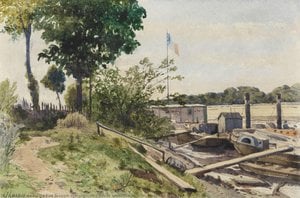
- Squatters

 Naručite reprodukciju Kupi digitalnu sliku
 Pošalji
 Podeli
 Detalji o delu
 Dodaj u omiljene

 Преузми
 Slični predmeti
 Rendgenski snimak
 Slajdovi
Squatters
 Impressionism
 1932
1932 19.0 x 34.0 cm
 Pročitaj više
Giclee štampa / Umetnički otisak
Giclée štampa ili print na platnu muzejskog kvaliteta uz brzu proizvodnju i fleksibilne opcije završne obrade.




































Izaberite jednu od naših unapred definisanih veličina koje odgovaraju originalnim proporcijama umetničkog dela.

Možete uneti sopstvene dimenzije kako biste umetničko delo prilagodili specifičnom okviru ili prostoru. Ako odabrani format ne odgovara proporcijama originalne slike, mi ćemo ili iscrtati deo dela ili proširiti sliku pomoću ogledane ivice ili jednobojnog popunjavanja. Digitalni prikaz će vam biti poslat na odobrenje pre početka proizvodnje.
Imajte na umu da pregled na ekranu ne odražava stvarno iscrtavanje ili proširivanje. Samo će prikaz (mockup) precizno pokazati finalnu kompoziciju.
Iako su prilagođene dimenzije dostupne, preporučujemo da odaberete dimenziju sa unapred definisane liste kako biste očuvali originalne proporcije.
Dostava širom sveta () za 2 nedelje umesto uobičajenih 4/5 nedelja. (23 јул)

Besplatna ekspresna dostava širom sveta

Visokokvalitetno laneno platno

Kompletno osiguranje transporta

Garancija povraćaja carine i uvoznih dažbina

Garancija vernosti boja

Politika povrata u roku od 60 dana (samo u slučaju nedostataka)

Garancija povrata novca od 100%

Popust pri grupnoj kupovini
 Opcija sa staklom dostupna je samo za dimenzije manje od 110 cm

Squatters
Giclee štampa / Umetnički otisak
Dimenzije reprodukcije
-


Konačna cena
-
Srodna umetnička dela


Biografija umetnika
Chaim Gross: Sculptor of Emotion and Family
Chaim Gross (1902 – 1991) stands as a singular figure in American sculpture, recognized for his uncompromising approach to carving wood and bronze—a method he termed “direct carving.” Unlike many sculptors of his era who relied on molds or preparatory sketches, Gross meticulously shaped his figures from raw material, allowing the inherent qualities of the wood itself to inform the final form. This technique wasn’t merely stylistic; it represented a profound philosophical commitment to capturing the essence of human experience and familial bonds. Born in Brooklyn, New York, Gross's early life was marked by intellectual curiosity and a fascination with Jewish mysticism—Kabbalah—which profoundly shaped his artistic vision. He studied at Pratt Institute and later pursued postgraduate studies at Yale University under Josef Albers, absorbing influences from Bauhaus principles and exploring the intersection of abstraction and figuration. These formative experiences instilled in him a belief that art should strive for psychological depth and honesty. Gross’s sculptural output spanned decades, encompassing monumental works alongside intimate portraits. He consistently tackled themes of family—particularly mothers and daughters—often depicting figures intertwined in poses conveying tenderness, vulnerability, and unspoken emotion. His sculptures aren't simply representations of the human form; they are explorations of inner life, striving to convey feelings rather than merely replicating external appearances. Consider “Two Girls (11),” a poignant pencil drawing that exemplifies this dedication to capturing psychological nuance—a piece currently housed at the Smithsonian Institution. The delicate lines and subtle shading reveal Gross’s masterful ability to distill complex emotions onto paper. His artistic style evolved over time, moving from early Expressionist influences toward a more refined aesthetic characterized by organic forms and textured surfaces. However, his core conviction remained steadfast: sculpture should serve as a conduit for conveying profound human truths. Works like “Mother Playing,” completed in 1967, exemplify this commitment to capturing the palpable warmth of maternal love—a piece available for reproduction at ArtsDot.com. The artist’s meticulous attention to detail and his masterful manipulation of material contribute to an enduring impression of emotional resonance. Gross's legacy extends beyond his individual artworks. He championed a sculptural method that prioritized intuition and responsiveness to the material, rejecting academic conventions in favor of a more visceral engagement with artistic creation. Furthermore, he established the Chaim Gross Sculpture Studio in Rye Brook, New York, fostering a tradition of teaching and mentoring aspiring sculptors—a testament to his belief in the transformative power of art education. Ultimately, Chaim Gross remains an artist whose work continues to inspire contemplation on themes of family, emotion, and the enduring beauty of honest artistic expression.
chaim gross
1902 - 1991
Osnovne informacije
- Artistic Movement Or Style: Expressionism
- Artists Who Influenced This Artist:
- Henri Matisse
- Pablo Picasso
- Date Of Birth: 1902
- Date Of Death: 1991
- Full Name: Chaim Gross
- Nationality: American
- Notable Artworks:
- Untitled (2 reclining women)
- Two Girls ( 11)
- Mother Playing
- Place Of Birth: Vienna, Austria
Povezani članci

Edward Hopper: 25 Remek-dela Američkog Realizma za Vaš Dom | ArtsDot
Istražite 25 ремек-дела Edward Hopper-a! Otkrijte приче иза његових најпознатијих слика, симболизма америчког реализма и уметничке технике. Купите висококвалитетне репродукције на ArtsDot.com.

Edwin Deakin: A Victorian Topographer's Vision of Landscape, Industry & Social Change
Explore the captivating world of Edwin Deakin, a Victorian artist who masterfully captured California's landscapes, Spanish missions & Chinatown. Discover his legacy and influence on art history.

Ephemeral Visions: Exploring the History & Emotional Resonance of Watercolor Painting
Explore the captivating history of watercolor painting, from ancient techniques to modern masters like Kandinsky & Blake. Discover essential artists, collecting tips & the emotional power of this luminous medium. Expert insights for art enthusiasts.
Ephemeral Visions: Exploring the Artistic Legacy & Nuances of Watercolor Painting
Explore the captivating world of watercolor painting! Discover its rich history, essential techniques, influential artists & collecting tips from art experts. A comprehensive guide for enthusiasts.

Ephemeral Echoes: Exploring the Aesthetic & Historical Significance of Vintage Watercolor Painting
Explore the captivating world of vintage watercolor painting! Discover its rich history, techniques, influential artists & collecting tips. Expert insights for enthusiasts and collectors at ArtsDot.

