

 Preview
 Pošalji
 Podeli
 Detalji o delu

 Преузми
 Slični predmeti
 Rendgenski snimak
 Slajdovi
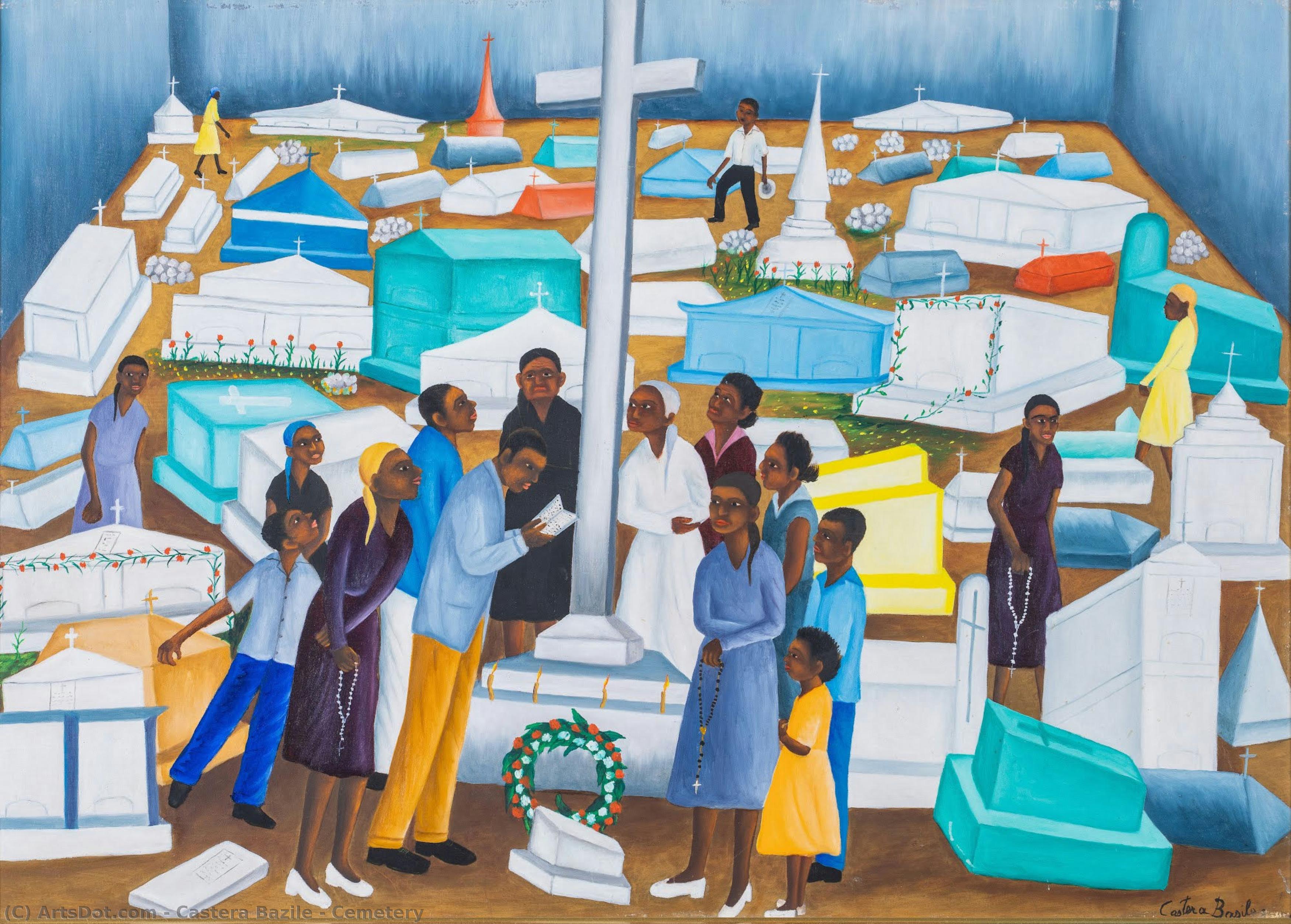
Cemetery


 Pročitaj više
Ručno rađena uljana reprodukcija
Ručno oslikano uljanim bojama na platnu u dimenzijama i okviru po vašem izboru, izrađeno po porudžbini od strane naših umetnika. ( Switch to Print Switch to Image)




































Izaberite jednu od naših unapred definisanih veličina koje odgovaraju originalnim proporcijama umetničkog dela.

Можете унети сопствене димензије како бисте прилагодили дело одређеном оквиру или простору. Ако одабрана величина не одговара пропорцијама оригинала, слика ће бити исечена или проширена додатним елементима који се ручно насликавају. Дигитални prikaz ће вам бити послат на одобрење пре почетка производње.
Имајте на уму да преглед на екрану не одражава стварно исецање или проширење. Само приказ (mockup) ће тачно приказати коначну композицију.
Иако су доступне прилагођене величине, препоручујемо да одаберете димензију из дефинисане листе како бисте сачували оригиналне пропорције.
Nakon narudžbine, tim ArtsDot.com će klijentu putem e-pošte poslati uputstva i dostaviti prikaz predloženog rešenja
Isporuka širom sveta () za 3/4 nedelje umesto uobičajenih 5 nedelja. (30 јул). Bez kompromisa po pitanju kvaliteta.

Besplatna ekspresna dostava širom sveta

Visokokvalitetno laneno platno

Kompletno osiguranje transporta

Garancija povraćaja carine i uvoznih dažbina

Garancija vernosti boja

Politika povrata u roku od 60 dana (samo u slučaju nedostataka)

Garancija povrata novca od 100%

Popust pri grupnoj kupovini
 Opcija sa staklom dostupna je samo za dimenzije manje od 110 cm

Cemetery
Tehnika reprodukcije
Dimenzije reprodukcije
-


Konačna cena
$ 263
Srodna umetnička dela


Biografija umetnika
A Visionary Voice of Haitian Vodou Art
Castera Bazile (1923-1966) remains an enigmatic figure in Haitian art history, a painter whose oeuvre speaks volumes about the spiritual heart of Haiti and its enduring connection to African traditions. Born in Jacmel, Haiti, Bazile’s life was tragically cut short at the age of forty-three, leaving behind a relatively small but profoundly impactful body of work that continues to fascinate scholars and collectors alike. Despite limited biographical information—primarily gleaned from scattered references—his paintings offer an unparalleled glimpse into the vibrant world of Vodou ceremonies and the heroic narratives surrounding Henri Christophe and Bwa Kayiman.- Early Life & Artistic Beginnings: Little is known about Bazile’s formative years. He emerged as a painter in the mid-1950s, largely self-taught, driven by an unwavering devotion to Vodou and its artistic expressions. His initial subjects were often landscapes depicting Haiti's lush Caribbean environment—a deliberate choice reflecting his deep appreciation for the land and its cultural heritage. However, it was his portraits of Vodou figures, particularly Henri Christophe – the exiled Haitian leader who spearheaded a rebellion against French colonial rule – that cemented his reputation as a unique artistic voice.
The Power of Vodou Imagery
Bazile’s distinctive style is characterized by bold color palettes and expressive brushstrokes, reflecting the dynamism and fervor inherent in Vodou rituals. He eschewed academic conventions, prioritizing emotional impact over meticulous realism. His canvases pulsate with energy, capturing not just likenesses but also the spiritual essence of his subjects—the solemn faces of priests, the vibrant costumes of initiates, and the dramatic choreography of ceremonies. The artist’s masterful use of pigment creates a palpable sense of atmosphere, transporting viewers into the sacred space of Bwa Kayiman – a powerful Haitian Vodou shrine known for its elaborate rituals and symbolic representations.- Notable Subjects & Techniques: Henri Christophe: Bazile’s portrait of Christophe is arguably his most celebrated work. It transcends mere representation, conveying the leader's dignity and resilience—a testament to Haitian resistance against oppression. The painting utilizes a rich tapestry of colors – reds, yellows, and blues – to depict Christophe’s regal attire and gaze, emphasizing his unwavering determination.
- Bwa Kayiman: Bazile’s depictions of Bwa Kayiman are particularly noteworthy for their symbolic depth. He meticulously rendered the shrine's architecture and ceremonial paraphernalia, capturing the ritualistic fervor with meticulous detail. The artist’s technique—characterized by thick impasto—adds textural richness to the canvases, mirroring the physicality of Vodou ceremonies.
Influence & Legacy
Bazile’s artistic vision drew inspiration from Haitian folklore and ancestral traditions, aligning him squarely within the broader context of African Diaspora art. While he lacked formal training, his profound understanding of Vodou iconography and ritual practice informed every aspect of his oeuvre. His work stands apart from many contemporary Haitian artists who focused on documenting social realities—Bazile sought to capture something far more elusive: the intangible spirit of Haiti’s spiritual life.- Concluding Thoughts: Despite the paucity of biographical details, Castera Bazile's paintings endure as powerful emblems of Haitian identity and Vodou spirituality. They serve as a reminder that art can transcend mere visual representation to convey profound emotional and symbolic meaning. His legacy continues to inspire artists exploring themes of faith, resilience, and cultural heritage—solidifying his place as one of Haiti’s most distinctive artistic voices.

castera bazile
1923 - 1966 , Haiti
Osnovne informacije
- Artistic Movement Or Style: Vodou Art
- Date Of Birth: 1923
- Date Of Death: 1966
- Full Name: Jacmel Bazile
- Nationality: Haitian
- Notable Artworks:
- Self Portrait as Henri Christophe
- Petwo Ceremony Commemorating Bwa Kayiman
- Place Of Birth: Jacmel, Haiti

