

 Pregledaj u prostoru
 Pošalji
 Podeli
 Detalji o delu
 Vodič
Vodič

 Preuzmi
 Slični predmeti
 Rendgenski snimak
 Automatska prezentacija
 Q&A
Q&A Statistika
Florence

- 50.0 x 60.0 cm


 Pročitaj više
Umetničko delo prikazano na ovoj stranici zaštićeno je autorskim pravima, što znači da zakonski nismo u mogućnosti da kreiramo niti prodajemo identičnu reprodukciju. Ova zaštita se sprovodi u skladu sa međunarodnim sporazumima kao što su Bernska konvencija i nacionalnim zakonima, uključujući i one koji su definisani u Američki zakon o autorskom pravu – Naslov 17.
Ovaj metod je u potpunosti usklađen sa regulativama o autorskim pravima jer ne podrazumeva kopiranje ili dupliranje zaštićenih umetničkih dela. Umesto toga, reč je o kreativnoj reinterpretaciji – novom slikarskom delu koje je inspirisano originalom, ali nije identično njemu.
Giclee štampa / Umetnički otisak
Giclée štampa ili print na platnu muzejskog kvaliteta uz brzu izradu i raznovrsne opcije završne obrade. ( Kupite ručno oslikano delo Pređi na digitalnu sliku)




P118B дин10

P118H дин10

P118W дин10

P438Z дин10

P508JH дин12

P508YH дин12

P805H дин10

P805Z дин10

P919BZ дин10

P919G дин10

P919XJ дин10

P959ZH дин10

P968JZ дин12

W106C дин8

W218G дин10

W218JH дин8

W218Y дин10

W307PJ дин10

W316G дин10

W316PJ дин8

W316Y дин10

W398PJ дин8

W4111J дин10

W500HY дин15

W500JH дин15

W692G дин12

W849H дин8

W940BG дин15

W953PJ дин8




Izaberite jednu od naših unapred definisanih veličina koje odgovaraju originalnim proporcijama umetničkog dela.

Unesite željenu širinu i visinu kako bi se štampa uklopila u vaš ram ili zid. Štampu je moguće samo iseći, ali nikada povećati iznad dimenzija originalne slike, stoga format sa drugačijim proporcijama uzrokuje gubitak dela slike. Pre početka štampe, poslaćemo vam digitalni prikaz radi potvrde. Slika prikazana na ovoj stranici ne predstavlja stvarni isrez — to pokazuje samo digitalni prikaz.
Dostava širom sveta () za 2 nedelje umesto uobičajenih 4/5 nedelja. (2 новембар)

Besplatna ekspresna dostava širom sveta

Visokokvalitetno laneno platno

Potpuno osiguranje transporta

Garancija povraćaja carine i uvoznih dažbina

Garancija vernosti boja

Politika povraćaja u roku od 100 dana (samo u slučaju nedostataka)

Garancija povrata 100% novca

Popust na više proizvoda
 Opcija sa staklom dostupna je samo za dimenzije manje od 110 cm

Florence
Giclee štampa / Umetnički otisak
Dimenzije reprodukcije
-


Ukupna cena
дин 6459
A Vision of Eternal Florence
To gaze upon this depiction of Florence is to step through a veil of time, into a moment suspended between vibrant history and quiet contemplation. Carlo Carrà’s vision captures more than just the magnificent dome of Santa Maria del Fiore; it encapsulates the very soul of Florentine artistry—a spirit rooted in the rigorous beauty of the Quattrocento. The composition itself feels like an archaeological discovery rendered in paint, presenting the city not as a mere collection of buildings, but as a unified, breathing volume. Carrà masterfully guides the eye across this aerial panorama, where every overlapping block and delicate curve speaks to centuries of human endeavor and artistic devotion.
Mastery in Light and Line: Technique and Form
Technically, the painting is a profound study in restraint. Carrà employs a technique characterized by light, quick brushstrokes and the exquisite layering of transparent glazes, or velature. This process allows the color to build up luminosity from within, giving the entire scene an ethereal, almost spiritual glow that seems to emanate from the very stone of the city. The structure is defined by thin, delicate black outlines—lines that are structural rather than restrictive. These lines serve to delineate the cubic forms of the architecture, suggesting a geometric order beneath the soft wash of color. It is this interplay between the rigid geometry suggested by the outlines and the atmospheric softness achieved through glazing that gives the piece its unique visual tension.
Historical Echoes: Carrà’s Late Period Synthesis
This work stands as a beautiful testament to the breadth of Carrà's artistic journey. Having navigated the turbulent waters of Futurism, Metaphysics, and various avant-garde movements throughout the twentieth century, here he finds a profound synthesis. In this later period, his focus turns inward, toward essential forms and pictorial simplicity. The painting moves away from overt naturalism or dramatic impressionism, instead achieving an equilibrium between concrete reality and sublime abstraction. It is Carrà distilling the monumental into its most fundamental visual components—a mature artist finding quiet power in elegant reduction.
Symbolism of Place and Spirit
The subject matter itself carries immense symbolic weight. Florence, particularly viewed through the lens of Brunelleschi’s dome, represents the pinnacle of Renaissance humanism and artistic revival. For Carrà, this city was not just a backdrop; it was a cultural touchstone. The muted palette—of soft blues, earthy grays, and pale terracotta—contributes to an overwhelming sense of tranquility. It invites the viewer into a meditative state, suggesting that true beauty lies in the enduring structure of culture itself. Owning this piece is acquiring not just art, but a tangible connection to the deep, abiding spirit of Italian artistic heritage.
Bringing the Masterpiece Home
For collectors and designers seeking an object imbued with history and quiet grandeur, this reproduction offers unparalleled depth. The soft luminosity achieved through Carrà’s glazing technique translates beautifully into interior spaces, acting as a focal point that uplifts any room without overwhelming it. It speaks to those who appreciate art that rewards close looking—a piece where the eye can wander from the defined geometry of the foreground blocks to the hazy, luminous expanse of the sky, finding continuous beauty in every subtle shift of tone.
Pitanja i odgovori
Da li je "Florence" dostupan kao umetnička štampa?
„Florence“ je dostupno kao umetnička štampa na pamučnom platnu ili arhivskom kanvas papiru. Porudžbine možete izvršiti na stranici Umetnički print, u dimenziji po vašem izboru.
Pod kojim drugim imenima je Карло Кара poznat/a?
Карло Кара je poznat/a i pod imenom Carlo Carra, Карло Кара (Пуно Име).
Koja su tehnika i dimenzije dela „Florence”, autor Карло Кара?
Delo "Florence" je izrađeno u tehnici Oil On Canvas i u svom izvornom obliku ima dimenzije 50 x 60 cm.
Srodna umetnička dela


Biografija umetnika
Рани живот и семе за уметнички бунт
Карло Кара, рођен у Кваргненту недалеко од Алесандрије, Италија, 11. фебруара 1881. године, кренуо је путем који се оштро разликовао од академске традиције. Његова младост била је обележена неопходношћу; са дванаест година напустио је породицу да би радио као зидарски декоратер. Ово формирајуће искуство, укорењено у физикалности стварања уметности и занатства, неповратно је обликовало њезу осетљивост. Није било само наношење боје – то је било уроњење у боју, облик и визуелну комуникацију. Боравак у Паризу почетком века, где је украшавао павиљоне за Универзалну изложбу, изложио га је растућим струјањима савремене француске уметности, кључном побуди која је проширила његове хоризонте ван италијанских граница. Овој изложености следио је кратак период у Лондону, где је упознао италијанске анархисте у егзилу – политичка струја која суптилно обликује његов рани рад темама социјалних немирима и побуне. Вративши се у Милано 1901. године, Кара је усавршио своје вештине, на крају уписавши Академију Брера 1906. године, где је студирао код Чезареа Талона. Ипак, чак и у оквиру структуре академије, постојала је немирна душа која тежи уметничкој иновацији.Прихватање динамике: Футуристичке године
Година 1910. се показала као преломна тачка. Кара се придружио Умберту Бочонију, Луиђију Русолу и Ђакому Бали, потписавши манифест футуристичких сликара – декларацију која је неповратдно променила ток италијанске уметности. Футуризам је била радикална идеологија, експлозиван празник модерности, брзине, технологије, младости и неумитног енергијета машине. Одрицао се прошлости, прихватајући динамику и предвиђајући будућност дефинисану прогресом. Рани футуристички радови Каре, као што су *Сахрана анархиста Галија* (1911) и *Ритмови објеката* (1911), животно оличавају ове принципе. *Сахрана анархиста Галија*, хаотичан али убедљив приказ туге и протеста, није само представљање већ висцерално искуство кретања и емоција. Сломаљени облици и нападне боје преносе сирову енергију гомиле и узбуркану политичку силу. *Ритмови објеката* даље демонстрира његово истраживање динамике, разбијајући обичне предмете у фрагментиране облике који сугеришу кретање и трансформацију. Ове слике нису биле о томе шта је приказано, већ како је доживљено – револуционарни приступ репрезентацији. Кара није само сликао сцене; покушао је да зароби саму суштину модерног живота у целој његовој френетичној слави.Од футуризма до метафизике и шире
Жар футуризма је опао за Кару како се приближавао Први светски рат, а његова уметничка трајекторија кренула је неочекиваним путем. Око 1917. године дошло је дубока промена, под утицајем сусрета са Ђорђом де Кириком у Ферари. Де Кирикoвa "Метафизичка слика" – карактеристична за немирне композиције, чудне перспективе и сањаву атмосферу – дубоко је резонирала са Каром. Почео је да укључује манекенске слике у свој рад, као што се види у *Ћерке Лота* (1919), стварајући сцене које су биле познате и узнемирујуће. Ово раздобље обележило је прелаз од спољашње динамике футуризма ка унутрашњем истраживању психолошких стања и егзистенцијалне анксиозности. Двадесете и тридесете године су биле сведоци даље трансформације како се Кара окренуо пејзажном сликарству. Развио је атмосферскији стил, карактеристичан за спљоштене перспективе и текстуриране потезе кистом, што је приказано у делима као што су *Јутро на мору* (1928). Ово није било одбацивање ранијег експериментисања већ интеграција у нови визуелни језик – тиши, контемплативнији приступ уметности.Наслеђе и сложеност: Мењање идеолошког пејзажа
Уметнички пут Карла Каре био је комплексан. Његов касни живот обележио је све националистичкији став, повезујући га са фашистичким режимом након 1918. године. Ова политичка позиција остаје контроверзан аспект његовог наслеђа, изазивајући дебату о уметности и идеологији. Упркос томе, Карин допринос модерној италијанској уметности је неоспоран. Био је кључан како у футуризму тако и у метафизичком сликарству, померајући границе и изазивајући норме. Његова спремност да експериментише током своје каријере демонстрира изузетну интелектуалну радозналост и уметничку храброст. Његов утицај се протеже ван сликарства, утичући на скулптуру, књижевност и дизајн кроз интердисциплинарни приступ футуристичког покрета.Истраживање Кариног света даље
Откривање Кариновог рада открива немирну душу која константно тражи нове облике израза. Његове слике нису само визуелни приказ већ прозори у анксиозности и тежње брзо мењајућег света.- Удубљите се дубље у његова дела на разним онлајн базама података о уметности.
- Истражите револуционарни дух футуризма и његове кључне фигуре.
- Консултујте поуздане изворе као што су Википедија и Британика за свеобухватне биографске информације.

Карло Кара
1881 - 1966 , Италија
Osnovne informacije
- Artistic Movement Or Style: Futurizam, Metafizičko slikarstvo
- Artists Or Movements Influenced By This Artist:
- Surrealizam
- Italijanski futuristi
- Artists Who Influenced This Artist:
- Giacomo Balla
- Giorgio de Chirico
- Date Of Birth: 11. februar 1881.
- Date Of Death: 13. april 1966.
- Full Name: Carlo Carrà
- Nationality: Italijan
- Notable Artworks:
- Funeral Galli
- Rhythms of Objects
- Daughters of Lot
- Morning by the Sea
- Place Of Birth: Alesandrija, Italija
Povezani članci
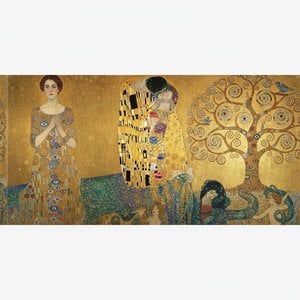
Gustav Klimt: 25 Remek-Dela Koje Očaravaju Svet – Reprodukcije za Vaš Dom
Uronite u svet Gustava Klimta! Otkrijte 25 remek-dela bečkog secesiona, od 'Poljupca' do portreta Adele Bloch-Bauer. Reprodukcije slika vrhunskog kvaliteta za luksuzni enterijer – inspiracija i dekoracija na ArtsDot.com.

25 Remek-dela Galerije Uffizi: Putovanje kroz renesansnu lepotu | ArtsDot.com
Istražite 25 remek-dela Galerije Uffizi u Firenci! Otkrijte priče iza slika Leonarda da Vinčija, Mikelanđela i Botticellija. Pronađite inspiraciju za dekoraciju enterijera i kupite reprodukcije vrhunske kvalitete na ArtsDot.com.

Carlo Carrà: Futurist Visions & Metaphysical Transformations in Early 20th-Century Italian Painting
Explore the artistic journey of Carlo Carrà, a pivotal figure in Italian Futurism & Metaphysical painting. Discover his dynamic compositions, collaborations with de Chirico, and lasting influence on modern art history.

Mario Sironi: A Poetic of Modern Italian Identity Through Symbolism & Social Commentary
Explore the profound works of Mario Sironi, a key figure in Italian Modernism. Discover his evolution from Futurism to Metaphysical painting and his powerful social commentary. Learn about his legacy at ArtsDot.

Top 10 Masterpieces for Your Living Room: Iconic Paintings & Art Decor Ideas |
Transform your living room with iconic art! Explore our guide to the Top 10 most famous paintings – from Van Gogh's Starry Night to Mona Lisa. Discover artist stories, techniques & find museum-quality reproductions for timeless decor. Explore the full collection on