

 Pregledaj u prostoru
 Pošalji
 Podeli
 Detalji o delu
 Vodič
Vodič

 Preuzmi
 Slični predmeti
 Rendgenski snimak
 Automatska prezentacija
 Pitanja i odgovori
 Statistika
The Last Judgment


 Pročitaj više
Giclee štampa / Umetnički otisak
Giclée štampa ili print na platnu muzejskog kvaliteta uz brzu izradu i raznovrsne opcije završne obrade. ( Kupite ručno oslikano delo Pređi na digitalnu sliku)




P118B дин10

P118H дин10

P118W дин10

P438Z дин10

P508JH дин12

P508YH дин12

P805H дин10

P805Z дин10

P919BZ дин10

P919G дин10

P919XJ дин10

P959ZH дин10

P968JZ дин12

W106C дин8

W218G дин10

W218JH дин8

W218Y дин10

W307PJ дин10

W316G дин10

W316PJ дин8

W316Y дин10

W398PJ дин8

W4111J дин10

W500HY дин15

W500JH дин15

W692G дин12

W849H дин8

W940BG дин15

W953PJ дин8




Izaberite jednu od naših unapred definisanih veličina koje odgovaraju originalnim proporcijama umetničkog dela.

Unesite željenu širinu i visinu kako bi se štampa uklopila u vaš ram ili zid. Štampu je moguće samo iseći, ali nikada povećati iznad dimenzija originalne slike, stoga format sa drugačijim proporcijama uzrokuje gubitak dela slike. Pre početka štampe, poslaćemo vam digitalni prikaz radi potvrde. Slika prikazana na ovoj stranici ne predstavlja stvarni isrez — to pokazuje samo digitalni prikaz.
Dostava širom sveta () za 2 nedelje umesto uobičajenih 4/5 nedelja. (13 новембар)

Besplatna ekspresna dostava širom sveta

Visokokvalitetno laneno platno

Potpuno osiguranje transporta

Garancija povraćaja carine i uvoznih dažbina

Garancija vernosti boja

Politika povraćaja u roku od 100 dana (samo u slučaju nedostataka)

Garancija povrata 100% novca

Popust na više proizvoda
 Opcija sa staklom dostupna je samo za dimenzije manje od 110 cm

The Last Judgment
Giclee štampa / Umetnički otisak
Dimenzije reprodukcije
-


Ukupna cena
дин 6602
Srodna umetnička dela


Biografija umetnika
The Vasari of Lombardy: The Grandeur of Camillo Procaccini
In the vibrant, turbulent landscape of late 16th-century Italy, few names resonated with as much prolific energy as Camillo Procaccini. Often bestowed with the evocative title, “The Vasari of Lombardy,” Procaccini was far more than a mere chronicler or decorator; he was a master of narrative drama who breathed life into the stone and plaster of the Counter-Reformation era. Born in Bologna in 1561, his very existence was woven into the fabric of an artistic dynasty. As the son of Ercole Procaccini the Elder and the elder brother to accomplished painters Giulio Cesare and Carlo Antonio, Camillo emerged from a Bolognese atelier where classical principles were already being reimagined through the lens of Mannerist innovation.
His early development was shaped by a profound dialogue with the masters who preceded him. While his roots lay in the disciplined traditions of Bologna, his artistic soul wandered through the works of Correggio and Parmigianino, absorbing their soft textures and elongated elegance. A pivotal moment in his journey involved study trips to Parma and Rome, where the monumental frescoes of Michelangelo and the harmonious compositions of Raphael left an indelible mark on his psyche. These encounters allowed him to synthesize a style that could balance the complex, often artificial grace of Mannerism with a burgeoning sense of emotional weight and clarity—a necessity for the religious fervor sweeping through Italy at the time.
A Milanese Triumph and the Art of Devotion
The year 1587 marked a transformative epoch in Procaccini’s career when he relocated to Milan. This move was not merely a change of scenery but an ascent into the highest echelons of European patronage. Under the watchful eye of influential figures like Count Camillo Visconti Borromeo, Procaccini began to transform the architectural spaces of Lombardy into celestial theaters. His work at the Lainate Villa showcased his burgeoning mastery of spatial illusion, where painted figures seemed to break free from their two-dimensional confines to interact with the viewer.
His influence soon permeated the most sacred institutions of the region. The Cathedral of Milan, or Duomo, became a primary stage for his genius. Whether executing the intricate organ shutters or painting profound altarpieces such as The Martyrdom of Saint Agnes, Procaccini utilized light and shadow to communicate the intense piety demanded by the Catholic Church. His ability to weave complex theological narratives into accessible, visually arresting compositions made him an indispensable tool for the dissemination of dogma. This period of his life was characterized by a relentless productivity that saw him collaborating with contemporaries like Giuseppe Meda and Ambrogio Figino, creating a unified aesthetic of splendor across Milanese churches.
Legacy of a Master Frescoist
As his career progressed, Procaccini’s reach extended far beyond the borders of Lombardy, touching the artistic circles of Venice, Genoa, and even the Swiss Canton Ticino. His legacy is not found merely in individual canvases, but in the very atmosphere of the spaces he adorned. To walk through a church decorated by Procaccini is to experience the transition from the stylized tension of Mannerism toward the more emotive, dramatic precursors of the Baroque.
The enduring significance of his work lies in several key artistic contributions:
- Narrative Mastery: His ability to direct the viewer's eye through complex, multi-figure compositions that tell a cohesive spiritual story.
- Stylistic Synthesis: The seamless blending of Bolognese precision with the atmospheric softness of the Parmese school.
- Architectural Integration: A profound understanding of how fresco and painting can alter the perceived dimensions and sanctity of a physical space.
Though time has weathered many of his frescoes, the spirit of Camillo Procaccini remains etched in the history of Italian art. He stands as a bridge between eras, a painter who captured the shifting religious and aesthetic tides of his century with unparalleled vigor and grace.

Camillo Procaccini
1561 - 1629 , Italy
Osnovne informacije
- Full Name: Camillo Procaccini
- Nationality: Italian
- Date Of Birth: 1561
- Date Of Death: 1629
- Place Of Birth: Bologna, Italy
- Notable Artworks:
- St Ambrose Stopping Theodosius
- Left profile of a male figure
- Artistic Movement Or Style: Mannerist
- Artists Who Influenced This Artist: ['Ercole Procaccini']
- Artists Or Movements Influenced By This Artist: ['Vasari']
Povezani članci

Umetnička dela koja oživljavaju prostor: Emocionalna snaga personalizovane freske u enterijeru
Otkrijte emocionalnu snagu personalizovane freske! Ekskluzivni vodič o istoriji, tehnikama i primeni freski u luksuznom dizajnu enterijera. Kreirajte jedinstveno umetničko delo za vaš dom.

The Enduring Legacy of Fresco Painting: Techniques, History & Contemporary Relevance
Explore the rich history & enduring artistry of fresco painting – from Giotto to Michelangelo! Discover techniques, conservation efforts, & modern applications. Learn how ArtsDot brings this timeless art form to your home.
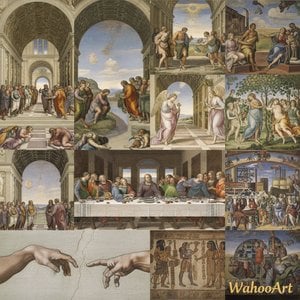
Fresco's Finest: 10 Masterpieces That Define Art History | ArtsDot
Journey through art history with our Top 10 Fresco Masterpieces! Explore Michelangelo, Raphael & Giotto's iconic works. Find museum-quality reproductions and elevate your home decor at ArtsDot.com.

The Enduring Legacy of Fresco: Technique, History & Artistic Expression Across Cultures
Explore the rich history & enduring legacy of fresco painting! Discover ancient techniques, Giotto's masterpieces, and modern applications. Expert insights for art lovers & professionals.
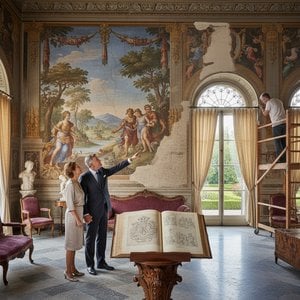
Porodična freska nasleđe: Očuvanje kulture i identiteta kroz zidno slikarstvo – Istorijski uvid za kolekcionare
Istražite bogatu istoriju zidnog slikarstva i njegov značaj za očuvanje kulture i porodičnog nasleđa. Ekskluzivni uvid za kolekcionare, restauratore i ljubitelje umetnosti. Saznajte više o tehnikama, vrednosti i budućnosti ove drevne veštine.