


 Pregledaj u prostoru
 Pošalji
 Podeli
 Detalji o delu

 Преузми
 Slični predmeti
 Rendgenski snimak
 Slajdovi
Жути пилећи прст


 Pročitaj više
Giclee štampa / Umetnički otisak
Giclée štampa ili print na platnu muzejskog kvaliteta uz brzu proizvodnju i fleksibilne opcije završne obrade. ( Kupi ručno naslikanu sliku Kupi digitalnu sliku)




P118B $10

P118H $10

P118W $10

P438Z $10

P508JH $12

P508YH $12

P805H $10

P805Z $10

P919BZ $10

P919G $10

P919XJ $10

P959ZH $10

P968JZ $12

W106C $8

W218G $10

W218JH $8

W218Y $10

W307PJ $10

W316G $10

W316PJ $8

W316Y $10

W398PJ $8

W4111J $10

W500HY $15

W500JH $15

W692G $12

W849H $8

W940BG $15

W953PJ $8




Izaberite jednu od naših unapred definisanih veličina koje odgovaraju originalnim proporcijama umetničkog dela.

Možete uneti sopstvene dimenzije kako biste umetničko delo prilagodili specifičnom okviru ili prostoru. Ako odabrani format ne odgovara proporcijama originalne slike, mi ćemo ili iscrtati deo dela ili proširiti sliku pomoću ogledane ivice ili jednobojnog popunjavanja. Digitalni prikaz će vam biti poslat na odobrenje pre početka proizvodnje.
Imajte na umu da pregled na ekranu ne odražava stvarno iscrtavanje ili proširivanje. Samo će prikaz (mockup) precizno pokazati finalnu kompoziciju.
Iako su prilagođene dimenzije dostupne, preporučujemo da odaberete dimenziju sa unapred definisane liste kako biste očuvali originalne proporcije.
Dostava širom sveta () za 2 nedelje umesto uobičajenih 4/5 nedelja. (2 септембар)

Besplatna ekspresna dostava širom sveta

Visokokvalitetno laneno platno

Kompletno osiguranje transporta

Garancija povraćaja carine i uvoznih dažbina

Garancija vernosti boja

Politika povrata u roku od 60 dana (samo u slučaju nedostataka)

Garancija povrata novca od 100%

Popust pri grupnoj kupovini
 Opcija sa staklom dostupna je samo za dimenzije manje od 110 cm

Жути пилећи прст
Giclee štampa / Umetnički otisak
Dimenzije reprodukcije
-


Konačna cena
$ 62
Yellow Chicken by Bill Traylor – A Study in Minimalism and Folklore
Bill Traylor’s “Yellow Chicken” (1940) stands as an arresting testament to the power of simplicity within abstract expressionism, capturing a profound connection to American folklore and offering a glimpse into the artist's singular vision. Created during the Great Depression, this gouache and pencil drawing on cardboard transcends mere depiction—it embodies a deliberate distillation of experience and emotion, cementing Traylor’s place as one of the most influential figures in self-taught art history. The Museum of Modern Art in New York holds the original artwork, generously gifted by Charles and Eugenia Shannon, ensuring its preservation for future generations.- Subject Matter: At first glance, “Yellow Chicken” presents a straightforward subject – a stylized chicken figure rendered against a textured brown background. However, Traylor’s genius lies in transforming this commonplace image into something far more evocative. The chicken isn't presented realistically; instead, it’s abstracted to its core essence, prioritizing symbolic representation over literal accuracy.
- Style: The artwork firmly establishes itself within the realm of abstract expressionism. Rejecting traditional artistic conventions, Traylor eschews meticulous detail in favor of gestural lines and expressive color palettes—a hallmark of this influential movement. This stylistic choice underscores a preoccupation with conveying feeling rather than documenting observation.
- Technique: Traylor’s masterful technique involves wet-on-wet blending, allowing hues to merge seamlessly across the surface of the cardboard. The artist's deliberate layering creates textural richness and imbues the piece with an almost dreamlike quality. Pencil lines provide grounding detail while gouache lends vibrancy and luminosity to the dominant yellow shade.
Historical Context – Traylor’s Alabama Roots and Folklore Inspiration
Bill Traylor's artistic journey unfolded amidst the socio-political landscape of rural Alabama during a period marked by significant upheaval—the Great Depression and the pervasive influence of Jim Crow segregation. Born into slavery, Traylor experienced firsthand the injustices faced by African Americans in the United States. Despite initial dismissals from critics who deemed his work “primitive,” Traylor’s unwavering dedication to capturing the spirit of American folklore has garnered renewed appreciation. The artist's recollections of rural Alabama—stories passed down through generations—served as a crucial source of inspiration for his visual narratives.- Folklore Influence: Traylor’s drawings frequently incorporate elements drawn from Appalachian folklore, reflecting a deep understanding of oral traditions and storytelling. Recurring motifs like chickens symbolize resilience, fertility, and transformation – themes central to the cultural heritage of the American South.
- Traylor's Legacy: Charles Shannon recognized Traylor’s artistic brilliance in 1940, bringing him to the attention of a wider audience and sparking ongoing scholarly debate about Traylor’s life’s trajectory and creative legacy. His work continues to resonate with contemporary artists and collectors alike, demonstrating the enduring power of self-expression and artistic vision.
Emotional Impact – A Symphony of Color and Line
“Yellow Chicken” communicates a palpable sense of melancholy yet simultaneously possesses an undeniable vibrancy—a paradoxical juxtaposition achieved through Traylor’s masterful manipulation of color and line. The dominant yellow hue radiates warmth and optimism, countering the subdued brown background which evokes feelings of solitude and introspection. Traylor's fluid lines convey movement and energy, mirroring the rhythms of life itself. The artwork invites contemplation on themes of identity, memory, and the human condition—a testament to Traylor’s ability to transform a simple subject into an emotionally resonant experience.Concluding Remarks – Rediscovering Traylor’s Vision
Bill Traylor's “Yellow Chicken” exemplifies the transformative potential of self-taught artistry—a celebration of raw emotion and intuitive creativity that defies categorization. Its enduring appeal lies in its ability to capture a profound connection between individual experience and cultural heritage, reminding us that beauty can emerge from unexpected sources. This remarkable drawing stands as a beacon of artistic innovation and serves as an inspiration for those seeking to explore the depths of human expression.Srodna umetnička dela


Povezani članci

Kandinsky's Masterpieces: 25 Paintings That Define Abstract Art | ArtsDot
Journey through Wassily Kandinsky's 25 most iconic abstract paintings. Explore his revolutionary use of color, form & spiritual expressionism. Find museum-quality Kandinsky reproductions and elevate your home decor with ArtsDot.com. Discover all masterpieces on ArtsDot.com!

Abstraktni Ekspresionizam: 10 Remek Dela Koja Su Definisala Pokret
Otkrijte 10 remek dela koja su definisala apstraktni ekspresionizam! Istražite dela Pola Krausa, Džejson Poloka i drugih. Saznajte priče iza umetnosti i inspirisanje za dekoraciju doma. Eksplorirajte kolekciju na ArtsDot.com!

Top 10 dela geometrijske apstrakcije koje morate videti | ArtsDot.com
Istražite 10 remek-dela geometrijske apstrakcije – Mondrian, Malevič i Kandinski. Otkrijte priče iza ovih ikoničnih slika i pronađite inspiraciju za dekoraciju enterijera sa ArtsDot.com! Reprodukcije vrhunskog kvaliteta.
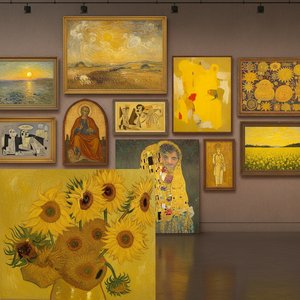
Golden Hues: 10 Masterpieces Dominated by Chrome Yellow | ArtsDot
Immerse yourself in golden light! Explore 10 famous paintings dominated by 'Chrome Yellow', from Van Gogh’s Sunflowers to Monet's Haystacks. Discover the stories behind these iconic Impressionist & Post-Impressionist masterpieces and find museum-quality art reproductions at ArtsDot.com.

The Golden Hue: Exploring Symbolism & Emotion in Yellow Art
Explore the rich symbolism & emotional power of yellow in art history! From Van Gogh to Kandinsky, discover how artists used this vibrant hue. Expert analysis & high-quality reproductions at ArtsDot.


