


 Pregledaj u prostoru
 Pošalji
 Podeli
 Detalji o delu

 Преузми
 Slični predmeti
 Rendgenski snimak
 Slajdovi
 Statistika
Power Figure (Nkisi)


 Pročitaj više
Ručno rađena uljana reprodukcija
Ručno oslikano uljanim bojama na platnu u dimenzijama i okviru po vašem izboru, izrađeno po porudžbini od strane naših umetnika. ( Pređi na štampu Pređi na digitalnu sliku)




































Izaberite jednu od naših unapred definisanih veličina koje odgovaraju originalnim proporcijama umetničkog dela.

Можете унети сопствене димензије како бисте прилагодили дело одређеном оквиру или простору. Ако одабрана величина не одговара пропорцијама оригинала, слика ће бити исечена или проширена додатним елементима који се ручно насликавају. Дигитални prikaz ће вам бити послат на одобрење пре почетка производње.
Имајте на уму да преглед на екрану не одражава стварно исецање или проширење. Само приказ (mockup) ће тачно приказати коначну композицију.
Иако су доступне прилагођене величине, препоручујемо да одаберете димензију из дефинисане листе како бисте сачували оригиналне пропорције.
Nakon narudžbine, tim ArtsDot.com će klijentu putem e-pošte poslati uputstva i dostaviti prikaz predloženog rešenja
Isporuka širom sveta () za 3/4 nedelje umesto uobičajenih 5 nedelja. (11 септембар). Bez kompromisa po pitanju kvaliteta.

Besplatna ekspresna dostava širom sveta

Visokokvalitetno laneno platno

Kompletno osiguranje transporta

Garancija povraćaja carine i uvoznih dažbina

Garancija vernosti boja

Politika povraćaja u roku od 100 dana (isključivo u slučaju nedostataka)

Garancija povrata novca od 100%

Popust pri grupnoj kupovini
 Opcija sa staklom dostupna je samo za dimenzije manje od 110 cm

Power Figure (Nkisi)
Tehnika reprodukcije
Dimenzije reprodukcije
-


Konačna cena
$ 263
Srodna umetnička dela


Biografija umetnika
Bakongo Art: Echoes of Kongo Kingdom Spirituality and Tradition
The kongo are a Bantu ethnic group hailing from the Congo River Basin, encompassing Democratic Republic of Congo, Angola, Gabon, and Central African Republic. They stand as DRC’s largest ethnic group and Angola's second-largest, distinguished by their profound artistic heritage—primarily centered on sculpture, textiles, and metallurgy—a legacy deeply rooted in the Kongo Kingdom (14th–19th centuries). This kingdom reigned supreme over a vast territory, fostering vibrant commerce and cultural exchange, establishing itself as a pivotal force in Central Africa.- Early Influences: The genesis of Kongo art can be traced back to Proto-Kongo traditions, blending indigenous beliefs with influences from neighboring cultures like the Yoruba and Bantu peoples. These early artistic expressions prioritized ancestor veneration and ritual efficacy.
- The Kongo Kingdom’s Artistic Flourishing: Under rulers such as Lukeni Simba Kabembé I and Simba Simba Kabembé II, the kingdom witnessed an unprecedented surge in artistic production. Elaborate royal palaces adorned with intricate carvings and vibrant textiles testified to the kingdom's wealth and sophistication.
- Nkisi Figures: Vessels of Spiritual Power: Perhaps the most recognizable form of Kongo art is the nkisi figure—wooden sculptures imbued with spiritual potency. These figures are meticulously carved, often adorned with pigments and feathers, representing ancestors or spirits believed to safeguard their bearers from harm. The process involves ritual cleansing and impregnation with substances like palm oil and herbs, solidifying their connection to the supernatural realm.
- Techniques of Kongo Sculpture: Kongo sculptors employed sophisticated woodworking techniques—primarily utilizing ironwood—resulting in remarkably durable sculptures that endure for centuries. They skillfully manipulated wood grain to achieve desired aesthetic effects, demonstrating mastery over material properties.
- Legacy and Diaspora: Despite colonial subjugation under Portugal and subsequent exploitation by European powers, Kongo artistic traditions persevered, adapting to new contexts while retaining core symbolic meanings. Today, Kongo art continues to inspire artists globally, reflecting the enduring spirit of a culture that honors its past while embracing contemporary creativity.
Notable Achievements & Artistic Expressions
The Kongo Kingdom’s artistic achievements extended beyond monumental sculpture. Textiles produced in Kongo were renowned for their exceptional weaving skills and vibrant colors—often incorporating geometric patterns reflecting cosmological beliefs. Furthermore, metalworking traditions flourished, producing ceremonial objects adorned with elaborate designs and symbolic representations.- Royal Palaces: Elaborate palaces showcased the kingdom’s grandeur and artistic prowess, featuring monumental carvings and opulent textiles.
- Textile Production: Kongo weavers created stunning fabrics utilizing complex weaving techniques and incorporating symbolic motifs reflecting spiritual cosmology.
- Metalwork: Artisans crafted ceremonial objects embellished with intricate designs conveying religious significance.
Symbolism & Spiritual Significance
Kongo art is permeated by symbolism rooted in Bantu cosmology. Nkisi figures embody ancestral spirits and represent the interconnectedness of humanity and nature—reflecting beliefs about divination, healing rituals, and maintaining harmony between realms.- Ancestor Worship: Nkisi sculptures honor deceased ancestors, symbolizing continuity and upholding familial lineage.
- Ritual Cleansing & Impregnation: The ritual process strengthens the nkisi’s connection to spiritual forces, ensuring its protective efficacy.
- Geometric Patterns: Kongo textiles utilize geometric patterns mirroring cosmological concepts—representing cycles of time and the order of creation.

bakongo
Democratic Republic of the Congo
Osnovne informacije
- Artistic Movement Or Style: Traditional Kongo Art
- Date Of Birth: (Kisangani)
- Date Of Death: Living
- Full Name: bakongo
- Nationality: Bantu
- Notable Artworks: ['Power Figure (Nkisi)']
- Place Of Birth: Democratic Republic of the Congo
Povezani članci

The Enduring Form: Sculpture Across History, Technique & Emotional Resonance
Explore the rich history of sculpture with ArtsDot. Discover key techniques, influential artists & investment potential for discerning collectors. Expert insights into valuing and collecting timeless masterpieces.

Bronze Age to Modern Masters: 10 Sculptures That Redefined Art | ArtsDot
Journey through art history with 10 legendary bronze sculptures – from Michelangelo's David to Rodin’s Thinker. Explore the stories, techniques & timeless beauty of these masterpieces. Find museum-quality reproductions & elevate your home decor on ArtsDot.com.

Bronze Sculptures That Defined Art History | ArtsDot
Journey through art history with our Top 10 bronze sculptures! Explore masterpieces by Rodin, Michelangelo & more. Discover stories behind iconic statues and find museum-quality reproductions for your home decor at ArtsDot.com.
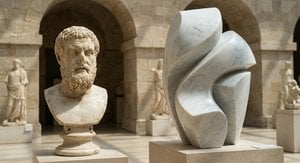
The Enduring Allure of Marble in Art History: From Classical Sculpture to Modern Abstraction
Explore the captivating history of marble sculpture from ancient Greece to modern art. Discover renowned artists like Canova & Michelangelo, carving techniques, and investment insights at ArtsDot.

The Enduring Form: Exploring Themes & Techniques in Sculpture Across Historical Periods
Explore the rich history of sculpture from ancient masterpieces to contemporary innovations. Discover key techniques, influential artists & investment potential for discerning art collectors.