

 Pregledaj u prostoru
 Podeli
 Podeli
 Detalji
 Vodič
Vodič

 Preuzmi sliku
 Slični predmeti
 Rendgenski snimak
 Automatska prezentacija
 Statistika
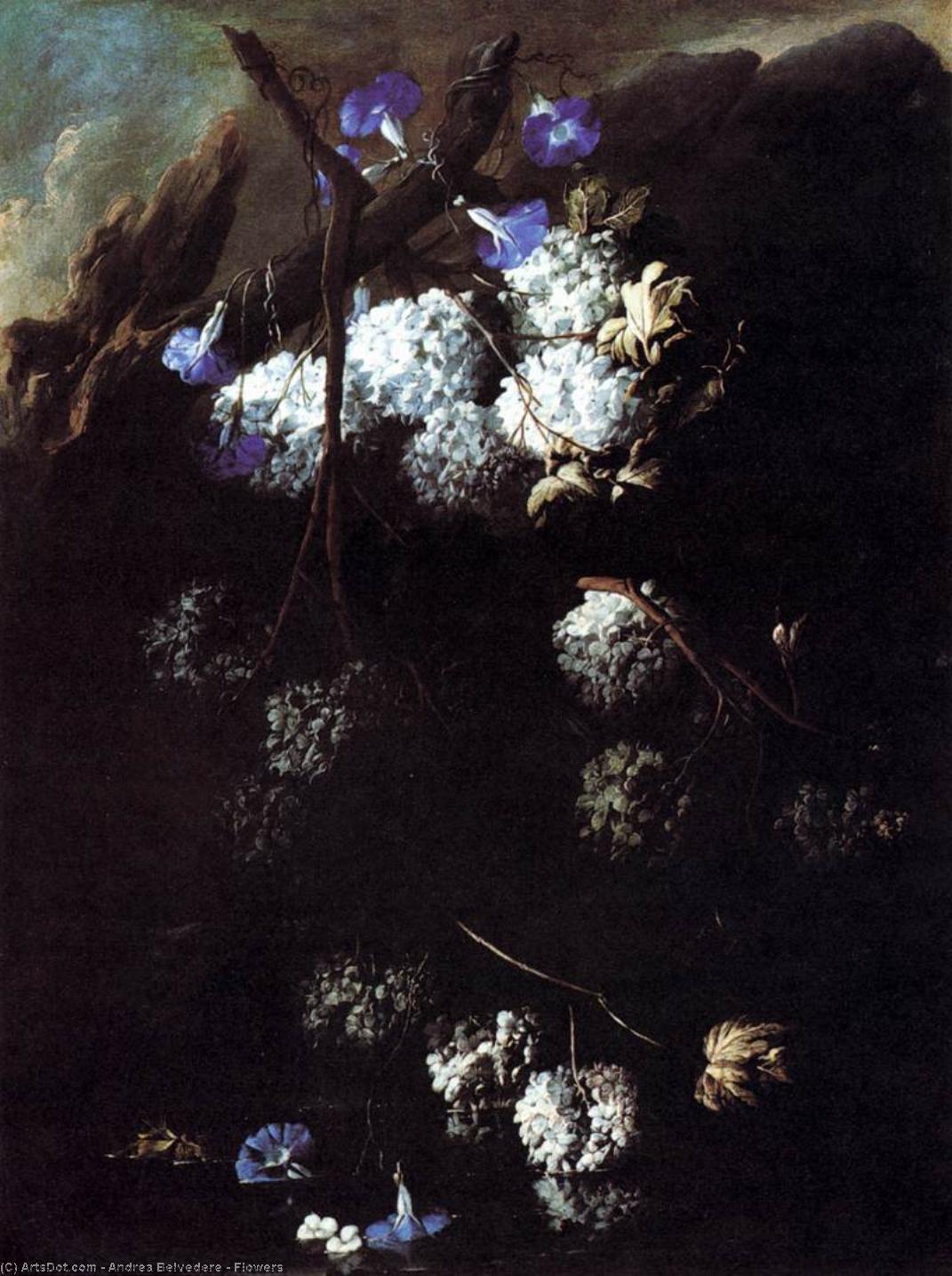
Flowers


 Pročitaj više
Giclee štampa / Umetnički otisak
Giclée štampa ili print na platnu muzejskog kvaliteta uz brzu izradu i raznovrsne opcije završne obrade. ( Naručite ručno oslikano reprodukciju Pređi na prodaju digitalnih slika)




































Izaberite jednu od naših unapred definisanih veličina koje odgovaraju originalnim proporcijama umetničkog dela.

Možete uneti sopstvene dimenzije kako biste umetničko delo prilagodili specifičnom okviru ili prostoru. Ako odabrani format ne odgovara proporcijama originalne slike, mi ćemo ili iscrtati deo dela ili proširiti sliku pomoću ogledane ivice ili jednobojnog popunjavanja. Digitalni prikaz će vam biti poslat na odobrenje pre početka proizvodnje.
Imajte na umu da pregled na ekranu ne odražava stvarno iscrtavanje ili proširivanje. Samo će prikaz (mockup) precizno pokazati finalnu kompoziciju.
Iako su prilagođene dimenzije dostupne, preporučujemo da odaberete dimenziju sa unapred definisane liste kako biste očuvali originalne proporcije.
Dostava širom sveta () za 2 nedelje umesto uobičajenih 4/5 nedelja. (22 септембар)

Besplatna ekspresna dostava širom sveta

Visokokvalitetno laneno platno

Sveobuhvatno osiguranje transporta

Garancija povraćaja carine i uvoznih dažbina

Garancija vernosti boja i autentičnosti pri reprodukciji

Politika povraćaja u roku od 100 dana (samo u slučaju nedostataka)

Garancija povrata 100% novca

Popust pri većoj količini
 Opcija sa staklom dostupna je samo za dimenzije manje od 110 cm

Flowers
Giclee štampa / Umetnički otisak
Veličina reprodukcije
-


Ukupna cena
$ 62
Srodna umetnička dela


Biografija umetnika
The Luminous Legacy of Andrea Belvedere
Belvedere emerged from the vibrant and often turbulent artistic landscape of late 17th-century Italy as a painter of singular focus and profound delicacy. While historical accounts once fluctuated regarding his exact beginnings, scholarly consensus now places his emergence in Pavia around 1652, leading him eventually into the heart of the Neapolitan Baroque. His early years were steeped in the dramatic traditions of his contemporaries; the influence of masters such as Giuseppe Recco and Giovan Battista Ruoppolo was unmistakable, imparting to his brush a foundational sense of vitality and an appreciation for the interplay of light and shadow.As his talent matured, Belvedere began to distance himself from the overt theatricality that characterized much of the Neapolitan school. Rather than pursuing the heavy, Caravaggio-esque drama found in the works of Paolo Porpora, he sought a more restrained and meticulous aesthetic. This evolution was deeply informed by the Flemish masters, particularly Abraham Brueghel, whose influence encouraged Belvedere to embrace a style defined by botanical precision and an almost scientific observation of nature.
A Refined Vision Beyond the Theatrical
His canvases became windows into a quiet, exquisite world where every petal and dewdrop held significance. He moved away from mere decoration, striving instead for a truth found in the subtle textures of floral arrangements and animal specimens. This dedication to the essence of his subjects allowed him to revitalize the still life genre at a time when its popularity in Naples was beginning to wane. His ability to capture the ephemeral beauty of nature with such clarity made him a pioneer of a more contemplative Baroque style.Belvedere’s mastery was not merely a matter of technique but of spirit, as he successfully balanced the grandeur of the era with an intimate, observational grace. This unique approach attracted a generation of younger artists who sought to emulate his ability to breathe life into the inanimate, ensuring that his stylistic innovations would ripple through the Neapolitan school for years to come.
The Spanish Court and the Final Act
Belvedere’s reputation eventually carried him far beyond the borders of Italy. In the late 17th century, his growing notoriety earned him an invitation to the Spanish court by King Charles II. This period marked one of the most prestigious chapters of his career, as he contributed to the grandeur of Spain and worked alongside the legendary Luca Giordano in the decoration of the magnificent Escorial Palace. His time in Spain solidified his status as a master craftsman of international standing.His influence extended through several notable followers who carried forward his distinctive approach:
- Gasparo Lopez
- Baldassare de Caro
- Tommaso Realfonso
- Nicola Casissa
Yet, the artist's journey did not end with the brush. Upon his return to Naples, Belvedere underwent a final, unexpected transformation, abandoning the easel to devote himself entirely to the world of theatrical activity. Though he left behind a legacy of breathtakingly beautiful still lifes that continue to captivate the eye, his life remained as dynamic and multifaceted as the very subjects he once immortalized on canvas.

Andrea Belvedere
1944 - , Italy
Brzi pregled
- Artistic Movement Or Style: Baroque
- Artists Or Movements Influenced By This Artist:
- Gasparo Lopez
- Baldassarre de Caro
- Artists Who Influenced This Artist:
- Giuseppe Recco
- Abraham Brueghel
- Date Of Birth: Pavia, Italy (1652)
- Date Of Death: Naples (1732)
- Full Name: Andrea Belvedere
- Nationality: Italian
- Notable Artworks:
- Flowers and Ducks
- Flowers
- Place Of Birth: Italy