


 Pregledaj u prostoru
 Podeli
 Podeli
 Detalji
 Vodič
Vodič

 Preuzmi sliku
 Slični predmeti
 Rendgenski snimak
 Automatska prezentacija
 Statistika
Humphrey M. Evans Performs The Identical Lunch


 Pročitaj više
Giclee štampa / Umetnički otisak
Giclée štampa ili print na platnu muzejskog kvaliteta uz brzu izradu i raznovrsne opcije završne obrade. ( Naručite ručno oslikano reprodukciju Pređi na prodaju digitalnih slika)




































Izaberite jednu od naših unapred definisanih veličina koje odgovaraju originalnim proporcijama umetničkog dela.

Možete uneti sopstvene dimenzije kako biste umetničko delo prilagodili specifičnom okviru ili prostoru. Ako odabrani format ne odgovara proporcijama originalne slike, mi ćemo ili iscrtati deo dela ili proširiti sliku pomoću ogledane ivice ili jednobojnog popunjavanja. Digitalni prikaz će vam biti poslat na odobrenje pre početka proizvodnje.
Imajte na umu da pregled na ekranu ne odražava stvarno iscrtavanje ili proširivanje. Samo će prikaz (mockup) precizno pokazati finalnu kompoziciju.
Iako su prilagođene dimenzije dostupne, preporučujemo da odaberete dimenziju sa unapred definisane liste kako biste očuvali originalne proporcije.
Dostava širom sveta () za 2 nedelje umesto uobičajenih 4/5 nedelja. (23 септембар)

Besplatna ekspresna dostava širom sveta

Visokokvalitetno laneno platno

Sveobuhvatno osiguranje transporta

Garancija povraćaja carine i uvoznih dažbina

Garancija vernosti boja i autentičnosti pri reprodukciji

Politika povraćaja u roku od 100 dana (samo u slučaju nedostataka)

Garancija povrata 100% novca

Popust pri većoj količini
 Opcija sa staklom dostupna je samo za dimenzije manje od 110 cm

Humphrey M. Evans Performs The Identical Lunch
Giclee štampa / Umetnički otisak
Veličina reprodukcije
-


Ukupna cena
$ 62
Srodna umetnička dela


Biografija umetnika
The Architect of the Everyday: The Life and Legacy of Alison Knowles
In the vibrant, experimental tapestry of the twentieth-century avant-garde, few threads are as tactile or as enduring as those woven by Alison Knowles. Born in 1933, Knowles emerged not merely as a creator of objects, but as a conductor of experiences, a pioneer who dared to suggest that the boundaries between art and life were not just permeable, but perhaps entirely illusory. Her journey began in the verdant landscapes of Vermont before finding its true, radical rhythm in the electric atmosphere of New York City. As a student at the Pratt Institute, she navigated a transformative era where the rigid structures of traditional fine art were beginning to dissolve under the weight of new, multidisciplinary possibilities. It was here, amidst the shadows of giants like Adolph Gottlieb and Richard Lindner, that Knowles began to realize her true calling lay not in the static permanence of the canvas, but in the ephemeral, breathing pulse of performance.
The 1960s served as the crucible for Knowles’s most profound contributions, marking her ascent as a founding pillar of the Fluxus movement. This international network of radicals sought to dismantle the hierarchies of high culture, and Knowles was instrumental in this rebellion. Her work became characterized by the use of event scores—instructional scripts that invited both performer and spectator to participate in the realization of art. These scores were not mere blueprints; they were invitations to embrace indeterminacy and chance. By utilizing everyday materials and mundane actions, she stripped away the pretension of the gallery space, replacing it with a profound intimacy. Her philosophy was one of radical inclusion, where the sound of a falling object or the communal act of preparing food could be elevated to the status of high art, challenging the very definition of what it fundamentally constitutes a masterpiece.
Sensory Landscapes and Tactile Experimentation
What truly distinguishes Knowles from her contemporaries is her unparalleled commitment to the sensory spectrum, particularly the often-neglected realm of touch. While many conceptual artists focused on the purely intellectual or visual, Knowles sought to engage the skin, the ears, and the very sense of presence. Her work frequently incorporates tactile engagement, inviting a physical dialogue between the artwork and the observer. One can almost feel the rhythmic, granular motion in pieces like “Bean Rolls,” where the simple, repetitive act of rolling beans across a surface becomes a meditative, communal performance. This emphasis on the haptic quality of art ensures that her work is never merely observed from a distance; it is felt, lived, and breathed.
Her repertoire is as diverse as it is daring, spanning installations, soundworks, and publications that defy easy categorization. Through her mastery of intermedia, she bridged the gap between different artistic disciplines, creating a cohesive language of sensory exploration. Her ability to weave together the auditory and the physical allowed her to create environments that were both surreal and deeply grounded in reality. This approach was not without its challenges, as it required a complete reimagining of the artist's role—moving from a solitary creator of icons to a facilitator of moments. In doing so, she helped birth a new way of perceiving the world, one where the mundane is imbued with a sudden, startling significance.
A Lasting Impression on the Avant-Garde
The historical significance of Alison Knowles cannot be overstated. She did not merely participate in art history; she actively reshaped its trajectory. By championing the indeterminacy and spontaneity found in the works of luminaries like John Cage, she helped establish a legacy where the process is as vital as the product. Her influence can be traced through decades of performance art, installation work, and conceptual practice, providing a foundation for generations of artists who seek to explore the intersection of life and creativity. Even as her career progressed toward major retrospectives, such as those at the University of California, Berkeley Art Museum, her core mission remained unchanged: to celebrate the beauty of the transient and the profound power of the everyday.
As we reflect on her immense body of work, several key elements of her contribution become clear:
- The Democratization of Art: Through her event scores, she removed the barrier between the "artist" and the "audience," making participation a fundamental component of the creative act.
- Sensory Expansion: She pushed the boundaries of performance beyond the visual, integrating sound, touch, and even taste to create a holistic aesthetic experience.
- The Beauty of Chance: Her embrace of indeterminacy allowed for a living art that evolves with every performance, resisting the stagnation of fixed meaning.
- Fluxus Leadership: As a founding member of Fluxus, she helped define an era of international collaboration that redefined the global art landscape.
Alison Knowles remains a singular force—a reminder that art is not something to be captured and hung upon a wall, but something to be experienced, felt, and shared in the fleeting, beautiful moments of our collective existence.

Alison Knowles
1933 -
Brzi pregled
- Artistic Movement Or Style: Fluxus
- Artists Who Influenced This Artist:
- John Cage
- Marcel Duchamp
- Date Of Birth: 1933
- Date Of Death: Living
- Full Name: Alison Knowles
- Nationality: American
- Notable Artworks:
- Michael Cooper Performs The Identical Lunch
- Humphrey M. Evans Performs The Identical Lunch
- Stephen Varble (and Geoffrey Hendricks) Performs The Identical Lunch
- Place Of Birth: Vermont, USA
Srodni članci

The Golden Hue: Exploring Symbolism & Emotion in Yellow Art
Explore the rich symbolism & emotional power of yellow in art history! From Van Gogh to Kandinsky, discover how artists used this vibrant hue. Expert analysis & high-quality reproductions at ArtsDot.
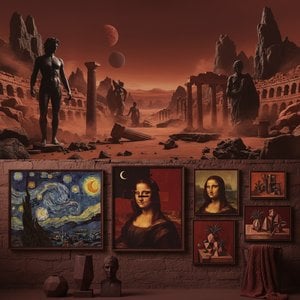
Mars Black Masterpieces: 10 Iconic Paintings & Timeless Art Decor Ideas
Delve into the power of 'Mars Black' with 10 iconic paintings by masters like Rembrandt & Caravaggio. Explore dramatic chiaroscuro, gothic art, and timeless beauty. Find museum-quality reproductions & elevate your home decor on .
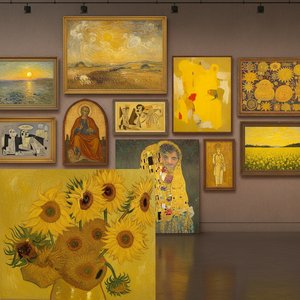
Golden Hues: 10 Masterpieces Dominated by Chrome Yellow | ArtsDot
Immerse yourself in golden light! Explore 10 famous paintings dominated by 'Chrome Yellow', from Van Gogh’s Sunflowers to Monet's Haystacks. Discover the stories behind these iconic Impressionist & Post-Impressionist masterpieces and find museum-quality art reproductions at ArtsDot.com.
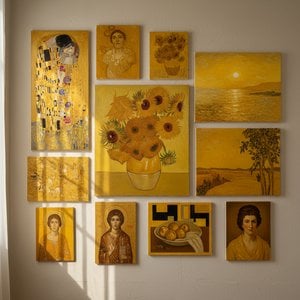
Golden Hues: Top 10 Paintings Dominated by Yellow Ochre |
Explore 10 iconic paintings bathed in golden yellow ochre! From Van Gogh's sunflowers to Monet’s haystacks, discover the stories behind these masterpieces. Find museum-quality art reproductions & elevate your home decor on .

Dark Masterpieces: 10 Iconic Paintings Dominated by Black Tones |
Explore 10 iconic paintings dominated by black tones, from Rembrandt’s chiaroscuro to Goya's dark expressions. Discover the stories behind these masterpieces & find museum-quality art reproductions for your home at .