


 Pregledaj u prostoru
 Podeli
 Podeli
 Detalji
 Vodič
Vodič

 Preuzmi sliku
 Slični predmeti
 Rendgenski snimak
 Automatska prezentacija
 Statistika
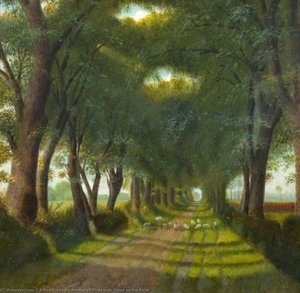
Woad Mill at Parson Drove
 1905
1905 87.0 x 102.0 cm
 Pročitaj više
Giclee štampa / Umetnički otisak
Giclée štampa ili print na platnu muzejskog kvaliteta uz brzu izradu i raznovrsne opcije završne obrade. ( Naručite ručno oslikano reprodukciju Pređi na prodaju digitalnih slika)




































Izaberite jednu od naših unapred definisanih veličina koje odgovaraju originalnim proporcijama umetničkog dela.

Možete uneti sopstvene dimenzije kako biste umetničko delo prilagodili specifičnom okviru ili prostoru. Ako odabrani format ne odgovara proporcijama originalne slike, mi ćemo ili iscrtati deo dela ili proširiti sliku pomoću ogledane ivice ili jednobojnog popunjavanja. Digitalni prikaz će vam biti poslat na odobrenje pre početka proizvodnje.
Imajte na umu da pregled na ekranu ne odražava stvarno iscrtavanje ili proširivanje. Samo će prikaz (mockup) precizno pokazati finalnu kompoziciju.
Iako su prilagođene dimenzije dostupne, preporučujemo da odaberete dimenziju sa unapred definisane liste kako biste očuvali originalne proporcije.
Dostava širom sveta () za 2 nedelje umesto uobičajenih 4/5 nedelja. (22 септембар)

Besplatna ekspresna dostava širom sveta

Visokokvalitetno laneno platno

Sveobuhvatno osiguranje transporta

Garancija povraćaja carine i uvoznih dažbina

Garancija vernosti boja i autentičnosti pri reprodukciji

Politika povraćaja u roku od 100 dana (samo u slučaju nedostataka)

Garancija povrata 100% novca

Popust pri većoj količini
 Opcija sa staklom dostupna je samo za dimenzije manje od 110 cm

Woad Mill at Parson Drove
Giclee štampa / Umetnički otisak
Veličina reprodukcije
-


Ukupna cena
$ 62
Srodna umetnička dela


Biografija umetnika
Alfred Balding: A Master of the English Countryside
Alfred Balding (1858-1915) remains a quietly significant figure in British art, an artist whose evocative depictions of the rural landscape and sporting scenes have earned him a devoted following. Often overshadowed by his more flamboyant contemporaries, Balding’s work possesses a subtle power—a mastery of light, atmosphere, and a deep understanding of the rhythms of the English countryside that speaks volumes about his profound connection to the land.
Born in Walsoken, Norfolk, into a family with a strong artistic tradition – his father was a landscape painter – Balding’s early life was steeped in the visual world. He initially pursued a career as a solicitor, but the pull of art proved too strong. He began exhibiting his work seriously in the 1880s, quickly establishing himself as a skilled painter of sporting scenes and landscapes. His style evolved considerably over time, moving from a more academic approach to one characterized by loose brushwork, vibrant color palettes, and an emphasis on capturing fleeting moments of light and mood. Balding’s early influences included the Dutch Masters, particularly their use of light and atmospheric perspective, as evidenced in works like “Interior of Parson Drove,” a meticulously rendered depiction of a Cambridgeshire mill scene that demonstrates his ability to recreate the textures and details of rural life with remarkable precision.
The Rise of ‘Gypsy Lane’
Balding's most celebrated work, undoubtedly, is "Gypsy Lane," painted in 1913. This iconic image, depicting a scene on the Norfolk Broads – a network of waterways and marshes – captures a quintessential moment of rural life. A group of gypsies are seen traveling along a muddy track, their horses silhouetted against the golden light of the setting sun. The painting’s enduring appeal lies in its ability to evoke a sense of timelessness and tranquility. It's not merely a representation of a specific scene; it’s an embodiment of the spirit of the English countryside – its beauty, its solitude, and its connection to generations past.
The success of “Gypsy Lane” brought Balding considerable recognition, but he continued to paint prolifically throughout his career. He was particularly drawn to scenes of Norfolk, capturing the unique character of the region’s landscapes and people with a keen eye for detail and an empathetic understanding of their lives. His depictions of the Broads, the coastline, and the surrounding villages are imbued with a sense of warmth and nostalgia – reflecting his deep affection for the area.
Technique and Style
Balding’s artistic technique was characterized by a loose, expressive brushstroke that allowed him to capture the fleeting effects of light and atmosphere. He employed a vibrant color palette, often using complementary colors to create a sense of depth and luminosity. His compositions were typically balanced and harmonious, with an emphasis on creating a sense of visual rhythm. Unlike some of his contemporaries who favored dramatic lighting and bold brushwork, Balding’s style was more subtle and understated – relying on the careful observation of nature and the skillful manipulation of color to convey his artistic vision.
He wasn't afraid to experiment with Impressionistic techniques, particularly in works like “A Large Number of Standing Stones,” where he used broken brushstrokes and a hazy atmosphere to create a sense of distance and mystery. However, his paintings always retained a strong sense of realism – reflecting his commitment to accurately portraying the details of the natural world.
Legacy and Historical Significance
Alfred Balding’s work has had a lasting impact on British art. He is remembered as one of the foremost painters of the English countryside, whose evocative depictions have helped to shape our understanding of this iconic landscape. His paintings are exhibited in major museums and galleries throughout the country, and his work continues to be admired for its beauty, its sensitivity, and its profound connection to the spirit of England.
Balding’s legacy extends beyond his artistic achievements. He was also a dedicated conservationist, actively campaigning to protect the Norfolk Broads from development. His paintings serve as a powerful reminder of the importance of preserving this unique landscape for future generations. His work stands as a testament to the enduring power of art to capture and celebrate the beauty of the natural world.
alfred balding
1858 - 1915
Brzi pregled
- Artistic Movement Or Style: Sporting art, Impressionism
- Artists Or Movements Influenced By This Artist:
- William Frith
- Pre-Raphaelites
- Artists Who Influenced This Artist:
- John Constable
- J.M.W. Turner
- Date Of Birth: 1858
- Date Of Death: 1915
- Full Name: Alfred Balding
- Nationality: British
- Notable Artworks:
- Gypsy Lane, Walsoken
- Parson Drove Mill
- Standing Stones
- Place Of Birth: WahooArt, Norfolk, UK