


 Pregledaj u prostoru
 Podeli
 Podeli
 Detalji
 Vodič
Vodič

 Preuzmi sliku
 Slični predmeti
 Rendgenski snimak
 Automatska prezentacija
 Statistika
reflection

 Pročitaj više
Giclee štampa / Umetnički otisak
Giclée štampa ili print na platnu muzejskog kvaliteta uz brzu izradu i raznovrsne opcije završne obrade. ( Naručite ručno oslikano reprodukciju Pređi na prodaju digitalnih slika)




P118B дин10

P118H дин10

P118W дин10

P438Z дин10

P508JH дин12

P508YH дин12

P805H дин10

P805Z дин10

P919BZ дин10

P919G дин10

P919XJ дин10

P959ZH дин10

P968JZ дин12

W106C дин8

W218G дин10

W218JH дин8

W218Y дин10

W307PJ дин10

W316G дин10

W316PJ дин8

W316Y дин10

W398PJ дин8

W4111J дин10

W500HY дин15

W500JH дин15

W692G дин12

W849H дин8

W940BG дин15

W953PJ дин8




Izaberite jednu od naših unapred definisanih veličina koje odgovaraju originalnim proporcijama umetničkog dela.

Unesite širinu i visinu koja vam je potrebna, kako bi se uklopili u vaš ram ili na vaš zid. Štampa se može samo iseći, nikada ne može biti veća od originalne slike, stoga format sa drugačijim proporcijama gubi deo slike. Poslaćemo vam digitalni prikaz radi potvrde pre nego što započnemo štampu. Slika prikazana na ovoj stranici ne pokazuje stvarni rez — to pokazuje samo digitalni prikaz.
Dostava širom sveta () za 2 nedelje umesto uobičajenih 4/5 nedelja. (23 октобар)

Besplatna ekspresna dostava širom sveta

Visokokvalitetno laneno platno

Sveobuhvatno osiguranje transporta

Garancija povraćaja carine i uvoznih dažbina

Garancija vernosti boja i autentičnosti pri reprodukciji

Politika povraćaja u roku od 100 dana (samo u slučaju nedostataka)

Garancija povrata 100% novca

Popust pri većoj količini
 Opcija sa staklom dostupna je samo za dimenzije manje od 110 cm

reflection
Giclee štampa / Umetnički otisak
Veličina reprodukcije
-


Ukupna cena
дин 6404
Srodna umetnička dela


Biografija umetnika
Adrien Henri Tanoux: A Parisian Painter of Exotic Sensuality
Adrien Henri Tanoux, a name perhaps less familiar than many of his contemporaries in the late 19th and early 20th-century French art scene, nevertheless possessed a distinctive voice and a captivating vision. Born in Marseille in 1865 and passing away in Paris in 1923, Tanoux’s artistic journey is one marked by evolution, experimentation, and a profound fascination with the allure of the Orient—a subject that would ultimately define his most celebrated works. While initially trained within the academic framework of the École supérieure d'art et de design Marseille-Méditerranée and later at the prestigious École nationale supérieure des beaux-arts in Paris under the tutelage of Léon Bonnat, Tanoux quickly transcended mere imitation, forging a unique style that blended realism with a sensualism rarely seen in his time.
Bonnat’s influence is undeniable; the emphasis on clear draughtsmanship and a balanced composition—traits inherited from the older master—forms the bedrock of many of Tanoux's early works. However, it was his subsequent travels, funded by the Conseil supérieur des Beaux-Arts in 1895, that proved pivotal. This journey to the East ignited a passion for Orientalist painting, a genre already gaining prominence but often characterized by romanticized and sometimes problematic depictions. Tanoux, however, approached this subject matter with a nuanced sensitivity, moving beyond simplistic stereotypes to capture the quiet dignity and inherent beauty of its inhabitants.
The Rise of the Odalisque
Tanoux’s most enduring legacy lies in his series of paintings depicting “odalisques”—a term that encompassed female servants and concubines within Ottoman harems. These weren't simply eroticized figures; rather, they were presented with a remarkable degree of psychological depth and vulnerability. He eschewed the overtly provocative poses favored by some of his peers, instead opting for languid postures, introspective gazes, and an atmosphere of quiet contemplation. Works like “Namouna” (1894), a dramatic portrayal of opulent Moorish interiors featuring nude figures, exemplify this approach—a bold statement that challenged conventional artistic norms while simultaneously celebrating the beauty and mystery of the East.
The influence of Japanese prints is also evident in Tanoux’s work. The flattened perspective, simplified forms, and emphasis on decorative elements found in Ukiyo-e art subtly informed his compositions, particularly in his depictions of interiors and landscapes. This fusion of European academic training with Eastern artistic principles created a distinctive visual language that set him apart from his contemporaries.
Technique and Style
Tanoux’s technique was characterized by a masterful command of light and shadow, often employing *impasto*—thickly applied paint—to create a tactile surface that seemed to shimmer with life. His color palette leaned towards muted tones – ochres, browns, and deep blues – lending his paintings an air of timelessness and atmospheric depth. He was particularly adept at capturing the subtle nuances of skin tone and fabric texture, imbuing his figures with a remarkable sense of realism. The use of diffused light, reminiscent of Impressionism but grounded in a more classical approach, further enhanced the evocative quality of his work.
Later Works and Legacy
As he matured as an artist, Tanoux’s subject matter broadened beyond the confines of the harem, exploring genre scenes depicting domestic life and intimate moments. Paintings like “La Belle Orientale” (1896) showcase a shift towards a more lyrical and melancholic aesthetic, while works such as "At the Well" (1897) demonstrate his continued ability to capture the beauty of everyday life with remarkable sensitivity. Despite not achieving widespread fame during his lifetime, Adrien Henri Tanoux’s contribution to French art is significant. His unique blend of academic training, Orientalist fascination, and artistic innovation ensures that his paintings continue to captivate viewers today, offering a glimpse into a world of exotic sensuality and quiet contemplation.
His works are now held in prestigious collections across France, including the Musée des Beaux-Arts de Nice, Musée de Grenoble, and Musée Cantini, testament to the enduring appeal of this often-overlooked master of French painting.

Adrien Henri Tanoux
1865 - 1923 , France
Brzi pregled
- Full Name: Antoine Auguste Adrien Henri Tanoux
- Nationality: French
- Date Of Birth: 1865
- Date Of Death: 1923
- Place Of Birth: France
- Notable Artworks:
- At the Well
- Namouna
- La belle orientale
- Artistic Movement Or Style: Orientalist, Nude Painting
- Artists Who Influenced This Artist: ['Léon Bonnat']
- Artists Or Movements Influenced By This Artist: ['Impressionism']
Srodni članci

Henri Matisse: 25 Remek-dela koji definišu boju i modernu umetnost | ArtsDot
Uronite u svet Henri Matissea! Istražite 25 remek-dela Fauvizma i moderne umetnosti. Otkrijte priče iza slika, tehnike i inspiraciju slavnog francuskog slikara. Reprodukcije vrhunskog kvaliteta dostupne na ArtsDot.com.
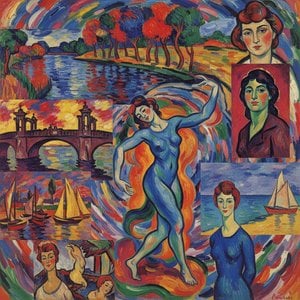
Fauvism's Boldest Visions: 10 Masterpieces That Revolutionized Modern Art | ArtsDot
Explore 10 Fauvist masterpieces by Matisse, Derain & Vlaminck that ignited Modern Art! Discover bold colors, expressionist landscapes & the history of this revolutionary movement. Find museum-quality prints at ArtsDot.com.

19th Century Masterpieces: 10 Paintings That Defined an Era | ArtsDot
Journey through 19th century art with ArtsDot! Explore 10 iconic paintings – from Monet & Renoir to Courbet – and discover the stories behind Romanticism, Realism & Impressionism. Find museum-quality reproductions for your home decor. Explore the full collection online!

Émile Jean Horace Vernet: Romantic Realism & Depicting 19th-Century Life
Explore the life & art of Émile Jean Horace Vernet, a master of Romantic Realism. Discover his captivating battle scenes, portraits, and Orientalist works – a window into 19th-century France. Learn about his techniques & enduring legacy.
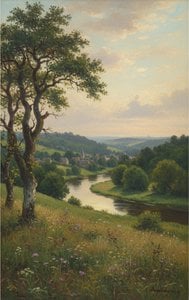
Henri-Joseph Harpignies: Capturing the Poetic Essence of the French Landscape
Explore the serene landscapes of Henri-Joseph Harpignies, a master of the Barbizon School. Discover his atmospheric paintings, recurring themes & enduring legacy in 19th-century French art. Learn more at ArtsDot.