

 Pregledaj u prostoru
 Pošalji
 Podeli
 Detalji o delu
 Vodič
Vodič

 Preuzmi
 Slični predmeti
 Rendgenski snimak
 Automatska prezentacija
 Pitanja i odgovori
 Statistika
Brawling Peasants

- 26.0 x 34.0 cm


 Pročitaj više
Giclee štampa / Umetnički otisak
Giclée štampa ili print na platnu muzejskog kvaliteta uz brzu izradu i raznovrsne opcije završne obrade. ( Kupite ručno oslikano delo Pređi na digitalnu sliku)




P118B дин10

P118H дин10

P118W дин10

P438Z дин10

P508JH дин12

P508YH дин12

P805H дин10

P805Z дин10

P919BZ дин10

P919G дин10

P919XJ дин10

P959ZH дин10

P968JZ дин12

W106C дин8

W218G дин10

W218JH дин8

W218Y дин10

W307PJ дин10

W316G дин10

W316PJ дин8

W316Y дин10

W398PJ дин8

W4111J дин10

W500HY дин15

W500JH дин15

W692G дин12

W849H дин8

W940BG дин15

W953PJ дин8




Izaberite jednu od naših unapred definisanih veličina koje odgovaraju originalnim proporcijama umetničkog dela.

Unesite željenu širinu i visinu kako bi se štampa uklopila u vaš ram ili zid. Štampu je moguće samo iseći, ali nikada povećati iznad dimenzija originalne slike, stoga format sa drugačijim proporcijama uzrokuje gubitak dela slike. Pre početka štampe, poslaćemo vam digitalni prikaz radi potvrde. Slika prikazana na ovoj stranici ne predstavlja stvarni isrez — to pokazuje samo digitalni prikaz.
Dostava širom sveta () za 2 nedelje umesto uobičajenih 4/5 nedelja. (15 новембар)

Besplatna ekspresna dostava širom sveta

Visokokvalitetno laneno platno

Potpuno osiguranje transporta

Garancija povraćaja carine i uvoznih dažbina

Garancija vernosti boja

Politika povraćaja u roku od 100 dana (samo u slučaju nedostataka)

Garancija povrata 100% novca

Popust na više proizvoda
 Opcija sa staklom dostupna je samo za dimenzije manje od 110 cm

Brawling Peasants
Giclee štampa / Umetnički otisak
Dimenzije reprodukcije
-


Ukupna cena
дин 6592
A Chaotic Tableau of Human Nature: Adriaen Brouwer’s “Brawling Peasants”
Adriaen Brouwer's "Brawling Peasants" isn’t merely a depiction of a brawl; it’s a visceral snapshot of 17th-century life, a raw and unflinching portrayal of the everyday struggles and simmering tensions that underpinned rural existence. Painted around 1630 – a period marked by social unrest and economic hardship in the Netherlands – this work transcends simple violence to offer a profound commentary on human nature itself. Brouwer, a master of genre painting, eschews idealized representations, instead presenting a scene of brutal honesty, capturing the messy reality of peasant life with remarkable immediacy. The composition is deliberately crowded, almost claustrophobic, drawing the viewer into the heart of the conflict and forcing them to confront the physicality of the struggle.
The scene unfolds within what appears to be a dimly lit workshop or storage area – a space that immediately suggests confinement and perhaps even a degree of desperation. A single man lies prone on the floor, subjected to a vicious beating with a club; his face contorted in agony, his body a testament to the violence inflicted upon him. Around him, other men engage in a chaotic dance of aggression, their movements frenzied and uncontrolled. The figures are rendered with a remarkable lack of sentimentality – no heroic gestures, no noble motivations, simply the brutal act of physical confrontation. Brouwer’s skill lies not in glorifying conflict but in exposing its ugly core.
A Masterclass in Technique: Impasto and Gesture
Brouwer's technique is a crucial element in conveying the painting’s emotional intensity. He employs a thick, impastoed application of oil paint, building up layers of color to create a remarkably tactile surface. This heavy use of paint isn’t merely decorative; it adds weight and physicality to the scene, mirroring the violence depicted within. The brushstrokes are loose and gestural, capturing the energy and movement of the figures with remarkable dynamism. Lines are rough and expressive, conveying a sense of urgency and unrestrained emotion – a deliberate departure from the smoother, more polished styles prevalent at the time.
Notice particularly the rendering of skin and clothing. The impasto technique creates a shimmering effect, highlighting the textures of fabric and flesh with remarkable realism. Shadows are deep and dramatic, contributing to the painting’s overall sense of darkness and foreboding. The uneven lighting further emphasizes the chaos of the scene, drawing attention to key moments of action while obscuring details and creating an atmosphere of suspense.
Historical Context: Peasant Life and Social Unrest
To fully appreciate “Brawling Peasants,” it’s essential to understand the historical context in which it was created. The 17th century was a period of significant social upheaval in the Netherlands, marked by economic hardship, religious tensions, and widespread poverty among the peasantry. Brouwer's paintings often depicted scenes from this marginalized segment of society – their drinking habits, their disputes, their struggles for survival. The painting reflects a broader trend within Dutch art to move away from idealized depictions of aristocratic life and towards a more realistic portrayal of everyday people.
Brouwer’s work aligns with the burgeoning genre of “tronies” – small, intimate portraits that focused on capturing fleeting expressions of emotion. “Brawling Peasants,” however, transcends the conventions of the tronie by presenting a full-scale drama, exploring themes of violence, power, and social inequality. The painting serves as a powerful reminder of the precariousness of life for those living on the margins of society.
Symbolism and Emotional Resonance
Beyond its immediate depiction of violence, “Brawling Peasants” is rich in symbolic meaning. The prone figure represents vulnerability and helplessness, while the aggressors embody the forces of power and control. The chaotic scene can be interpreted as a metaphor for the broader social unrest that plagued the Netherlands during Brouwer’s time – a reflection of simmering tensions beneath the surface of everyday life. The painting's raw emotional intensity continues to resonate with viewers today, prompting questions about human nature, social justice, and the enduring cycle of violence.
Reproductions of this powerful work offer an opportunity to experience Brouwer’s masterful technique and insightful commentary on the human condition. Its dramatic composition and visceral depiction of conflict make it a compelling addition to any collection, while its historical context provides valuable insight into the social and economic realities of 17th-century Europe.
Pitanja i odgovori
Koja je tehnika i dimenzija originalnog dela „Brawling Peasants”, autor Adrijen Brouver?
Delo "Brawling Peasants" je izrađeno u tehnici Oil On Canvas i u svom izvornom obliku ima dimenzije 26 x 34 cm.
Da li su boje dela "Brawling Peasants" intenzivne ili nežne?
„Brawling Peasants”, autor Adrijen Brouver prikazuje Balanced intenzitet boja.
Kakav osećaj prenosi „Brawling Peasants”, autor Adrijen Brouver?
U delu "Brawling Peasants", Dramatic raspoloženje prati Somber emocija.
Srodna umetnička dela


Biografija umetnika
Prekinut život: Turbulentni svet Adrijena Brouvera
Adrijen Brouver, ime koje odjekuje živopisnom energijom flamanske i holandske umetnosti 17. veka, ostaje enigmatična figura uprkos svom dubokom uticaju na žanrovsku slikarstvo. Rođen u Oudenaarde, u Belgiji, oko 1605. ili 1606. godine – tačna godina je predmet debata – Brouverov život bio je tragično kratak, prekinut pre četrdesete godine u januaru 1638. Njegov otac, takođe po imenu Adrijen, radio je kao dizajner tapiserija, izlažući mladog umetnika vizuelnoj kompoziciji i dizajnu od rane mladosti. Međutim, teška vremena su pogodila Brouvera kada je imao svega petnaest godina; očeva smrt primorala ga je da napusti dom, krenuvši putem obeleženim kako umetničkim sjajem, tako i ličnim nemirima. Ova rana nezavisnost nesumnjivo je oblikovala njegov buntovnički duh i podstakla njegovo oštro zapažanje životnih struja, tema koje će postati centralne za njegovo celokupno delo.Pionir žanra: Hvatanje suštine svakodnevnog života
Brouver se brzo utvrdio kao ključni inovator u žanrovskoj slikarstvu – umetničkom pokretu posvećenom prikazivanju scena iz običnog života. On nije idealizovao niti romantizovao; umesto toga, priređivao je sirove, neukrasene prizore iz sveta seljaka, vojnika i običnog naroda. Tavernice su postale njegova omiljena pozornica, prepuna figura upregnutih u piće, pušenje, igranje karata, tuče i jednostavno postojanje unutar okvira svojih svakodnevnih rutina. Dela kao što su Siromašni narod koji pije u taverni,Uticaji i umetnički stil: Spoj tradicije i inovacije
Umetnički razvoj Brouvera oblikovao je fascinantan spoj uticaja. Duboko je divio pedantnom realizmu flamanskih primitiva – umetnika poput Jana van Eycka i Roberta Campina – što se vidi u njegovoj pažnji posvećenoj detaljima i preciznom prikazivanju tekstura. Ipak, nije bio zadovoljan pukim imitiranjem. Brouver je prihvatio dramatično osvetljenje i emocionalni intenzitet karakterističan za baroknu umetnost, unoseći dinamičnu energiju u svoje kompozicije. Njegov stil odlikuje majstorski spoj realizma i humora, uparen sa izuzetno živopisnim posmatranjem ljudskog ponašala. Nije se uzdržavao od prikazivanja manje prijatnih aspekata života, ali je to činio sa empatijom i razumevanjem, izbegavajući moralnu osudu. Ovaj jedinstveni pristup izdvojio ga je od mnogih njegovih savremenika i otvorio put budućim generacijama žanrovskih slikara.Nasleđe i istorijski značaj: Trajni uticaj
Uprkos kratkoj karijeri, uticaj Adrijena Brouvera na njegove naslednike bio je značajan. Pomogao je da se žanrovsko slikarstvo podigne na poziciju istaknutosti u svetu umetnosti, demonstrirajući njegov potencijal za umetničko izražavanje i društvenu komentarisanje. David Teniers Mlađi, zajedno sa drugim flamanskim i holandskim slikarima, crpeo je značajnu inspiraciju iz Brouverovog inovativnog pristupa prikazivanju svakodnevice. Njegov fokus na obične ljude ponudio je dragocene uvide u društvene običaje i svakodnevne rutine Flandrije i Holandske Republike 17. veka, pružajući prozor u svet koji su tradicionalnije forme umetnosti često previdele. Danas se njegova dela čuvaju u prestižnim muzejima kao što je Kraljevski muzej lepih umetnosti (Koninklijk Museum voor Schone Kunsten) u Antverpenu, u Belgiji, osiguravajući da njegovo nasleđe nastavi da inspiriše i očarava publiku generacijama koje dolaze. On ostaje svedočanstvo moći posmatranja, lepote nesavršenosti i neprolazne privlačnosti hvatanja sirovih, nefiltriranih trenutaka života na platnu.
Adrijen Brouver
1605 - 1638 , Белгија
Osnovne informacije
- Artistic Movement Or Style: Barok, žanrovsko slikarstvo
- Artists Or Movements Influenced By This Artist: ['David Teniers mlađi']
- Artists Who Influenced This Artist: ['Flamanski primitivisti']
- Date Of Birth: 1605/1606
- Date Of Death: 1638
- Full Name: Adriaen Brouwer
- Nationality: Flamanac
- Notable Artworks:
- Siromašni narod koji pije u taverni
- Seljak koji igra karte
- Pušač
- Tuča
- Pejzaž pod mesečinom
- Place Of Birth: Oudenarde, Belgija
Povezani članci

Adriaen Brouwer: Capturing Dutch Life & Social Commentary Through Genre Painting
Explore the captivating world of Adriaen Brouwer, a master of Dutch Golden Age genre painting. Discover his vivid depictions of peasant life, social commentary, and lasting influence on art history. Learn more at ArtsDot.

Dutch Baroque Masters: 10 Paintings That Shaped an Era | ArtsDot
Journey through the Golden Age with our guide to the Top 10 Dutch Baroque masterpieces! Explore iconic paintings by Rembrandt, Vermeer & Frans Hals. Find museum-quality art reproductions and elevate your home decor at ArtsDot.com.

Pieter Bruegel the Elder: A Master of Genre, Landscape & Social Commentary
Explore the life & art of Pieter Bruegel the Elder, a pivotal figure of the Renaissance. Discover his groundbreaking genre scenes, symbolic landscapes, and lasting influence on art history. Learn more at ArtsDot.

Rustic Soul: Discover the Timeless Beauty of Peasant Life Through Masterpiece Artworks
Explore the profound beauty of peasant life through masterfully hand-painted oil reproductions. From Bruegel to Van Ostade, discover how genre painting brings timeless rustic charm and historical depth to your modern home with our museum-quality, bespoke artworks.
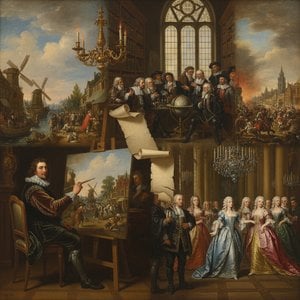
Illuminating a Century of Change: Artistic Expression & Societal Shifts in 17th-Century Europe
Explore the artistic brilliance of the 17th-century Dutch Golden Age & Baroque period. Discover Rembrandt, genre painting, and chiaroscuro techniques. Expert insights for art lovers & collectors.