


 Pregledaj u prostoru
 Podeli
 Podeli
 Detalji
 Vodič
Vodič

 Preuzmi sliku
 Slični predmeti
 Rendgenski snimak
 Automatska prezentacija
 Statistika
Czarnokozince

 Pročitaj više
Ručno rađena uljana reprodukcija
Ručno oslikano uljanim bojama na platnu u dimenzijama i okviru po vašem izboru, izrađeno po porudžbini od strane naših umetnika. ( Pređi na prodaju štampanih primeraka Pređi na prodaju digitalnih slika)




































Izaberite jednu od naših unapred definisanih veličina koje odgovaraju originalnim proporcijama umetničkog dela.

Možete uneti sopstvene dimenzije kako biste prilagodili umetničko delo određenom okviru ili prostoru. Ako odabrana veličina ne odgovara proporcijama originala, slika će biti isečena ili proširena dodatnim elementima koji se ručno oslikavaju. Digitalni prikaz će vam biti poslat na odobrenje pre početka proizvodnje.
Imajte na umu da pregled na ekranu ne odražava stvarno prisecanje ili proširenje. Samo mockup će precizno prikazati konačnu kompoziciju.
Iako su dostupne prilagođene veličine, preporučujemo da izaberete dimenziju iz unapred definisane liste kako biste sačuvali originalne proporcije.
Nakon narudžbine, tim ArtsDot.com će klijentu putem e-pošte poslati uputstva i dostaviti prikaz predloženog rešenja
Svetska isporuka () za 3/4 nedelje umesto uobičajenih 5 nedelja. (24 септембар). Bez kompromisa po pitanju kvaliteta.

Besplatna ekspresna dostava širom sveta

Visokokvalitetno laneno platno

Sveobuhvatno osiguranje transporta

Garancija povraćaja carine i uvoznih dažbina

Garancija vernosti boja i autentičnosti pri reprodukciji

Politika povraćaja u roku od 100 dana (samo u slučaju nedostataka)

Garancija povrata 100% novca

Popust pri većoj količini
 Opcija sa staklom dostupna je samo za dimenzije manje od 110 cm

Czarnokozince
Tehnika izrade reprodukcije
Veličina reprodukcije
-


Ukupna cena
$ 263
Srodna umetnička dela


Biografija umetnika
Charles Burton Barber: A Painter of Childhood and Canine Companionship
Charles Burton Barber (1845-1894) emerged as a prominent figure in late 19th-century British art, renowned for his evocative depictions of children and their beloved pets. Born in Great Yarmouth, Norfolk, into a family with artistic roots – his father was a woodcarver – Barber’s early life instilled within him an appreciation for visual representation and meticulous detail. He began his formal training at the Royal Academy in London in 1864, receiving a silver medal for drawing, a testament to his burgeoning talent. This foundation proved crucial as he embarked on a career characterized by sentimental charm and a remarkable ability to capture the fleeting moments of joy between children and their animal companions. Barber’s artistic journey was marked by a shift from purely academic training towards a more expressive style. While initially influenced by Realism, particularly evident in his early works like *Off To School* (1883), he gradually developed a distinctive approach that blended observation with a heightened sense of emotion. His paintings weren't merely representations of subjects; they were imbued with a palpable warmth and tenderness, reflecting the Victorian fascination with domesticity and childhood innocence. He skillfully employed light and shadow to create an atmosphere of intimacy and nostalgia, drawing viewers into the heart of his scenes. His work gained considerable recognition during his lifetime, securing commissions from Queen Victoria herself, who valued his ability to portray her grandchildren alongside their cherished dogs – a testament to his popularity and artistic skill within the royal court.Royal Patronage and Artistic Style
Barber’s association with the Royal Family significantly elevated his status and provided him with opportunities to showcase his talent on a grand scale. His portraits of Queen Victoria, Prince of Wales (later Edward VII), and their respective pets became iconic images within the Royal Collection, demonstrating his ability to capture both regal dignity and genuine affection. Beyond royal commissions, Barber’s work was regularly exhibited at prestigious venues such as the Royal Academy from 1866 to 1893, solidifying his position as a leading artist of his era. His style evolved over time, moving beyond strict realism towards a more impressionistic treatment of light and color, particularly in his later works. He was known for his detailed brushwork and his ability to render the textures of fur, fabric, and skin with remarkable accuracy. Despite some critics suggesting an overly sentimental quality to his work, Barber’s paintings remain popular due to their genuine warmth and skillful execution.Technique and Influences
Barber's technical proficiency was rooted in a deep understanding of anatomy and composition, honed during his time at the Royal Academy. However, he also drew inspiration from various sources, including the works of earlier masters like Louis-Léopold Boilly, whose genre scenes of Parisian life demonstrated a similar ability to capture everyday moments with warmth and detail. Boilly’s influence is particularly evident in Barber's focus on depicting ordinary people engaged in familiar activities – children playing, dogs being walked, families enjoying quiet moments together. Furthermore, Barber was a pioneer in utilizing lithography for reproducing his works, creating numerous prints that brought his paintings to a wider audience. The process of photogravure, in particular, allowed him to capture the subtle nuances of light and shadow with exceptional precision, mirroring the quality of his original oil paintings.Legacy and Lasting Impact
While Charles Burton Barber’s career was tragically cut short by his death in 1894 at the age of 49, his legacy as one of Britain's foremost animal painters endures to this day. He is remembered for his ability to evoke a sense of nostalgia and tenderness through his depictions of children and their canine companions. His work was widely reproduced in print form, ensuring that his paintings continued to be enjoyed by generations of art enthusiasts. Although Arthur Elsley eventually surpassed him as the dominant painter of children and pets, Barber’s contributions to the genre remain significant, shaping the visual language of Victorian sentimentalism and establishing a lasting tradition of portraying the heartwarming bonds between humans and animals. His works are now housed in prominent galleries such as the Lady Lever Art Gallery in Port Sunlight and the Manchester Art Gallery, ensuring that his artistic vision continues to be appreciated by art lovers worldwide.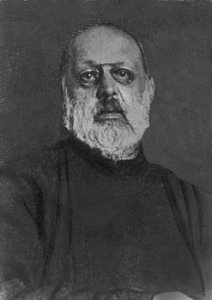
adam (albert) chmielowski
1845 - 1916 , Russia
Brzi pregled
- Artistic Movement Or Style: Realism
- Artists Or Movements Influenced By This Artist: ['Arthur Elsley']
- Artists Who Influenced This Artist: ['Walter Crane']
- Date Of Birth: 1845
- Date Of Death: 1894
- Full Name: Charles Burton Barber
- Nationality: British
- Notable Artworks:
- Suspense
- Off To School
- Queen Victoria with John Brown
- Place Of Birth: Great Yarmouth, Norfolk
Srodni članci

Beyond the Horizon: A Curated Guide to Integrating Post-Impressionist Landscapes into Modern Interiors
Transform your home with the emotive power of Post-Impressionist landscapes. Discover expert tips on selecting hand-painted oil reproductions to create a soulful, vibrant interior that reflects your unique style and connection to nature.

Evocations of Place: A Historical Journey Through Landscape Art
Explore the rich history of landscape art with ArtsDot. Discover renowned artists, movements like Impressionism & Romanticism, and expert guidance for collecting timeless pieces. Find your perfect serene escape today!

Glavna dela koja su definisala Romantični pejzaž: 10 remek-dela za vaš dom
Otkrijte 10 remek-dela romantičnog pejzažnog slikarstva! Uronite u svet Claude Lorraina, Caspara David Friedricha i Turnera. Ispričane priče umetnosti, inspiracija za dekoraciju doma. Kvalitetne reprodukcije na ArtsDot.com – istražite celu kolekciju online!

Impressionistic Landscapes: 10 Masterpieces That Changed Art & Decor
Journey into the heart of Impressionism! Explore 10 masterpieces by Monet, Renoir & Degas that revolutionized landscape art. Discover their stories, techniques & find museum-quality reproductions to elevate your home decor on ArtsDot.com.
Impresionistički pejzaži: 10 remek-dela koja su definisala umetnički pokret
Otkrijte 10 remek-dela impresionizma koja su zauvek obeležila pejzažnu umetnost! Monet, Renoar i Degas – istražite priče iza svake slike. Inspiracija za dekoraciju enterijera i vrhunske reprodukcije na ArtsDot.com. Istražite kolekciju online!