


 Pregledaj u prostoru
 Pošalji
 Podeli
 Detalji o delu

 Преузми
 Slični predmeti
 Rendgenski snimak
 Slajdovi
Dancing Peasants
 Oil On Canvas
- WallArt
- Baroque
 1660
1660 28.0 x 38.0 cm
 Hermitage Museum
 Pročitaj više
Ručno rađena uljana reprodukcija
Ručno oslikano uljanim bojama na platnu u dimenzijama i okviru po vašem izboru, izrađeno po porudžbini od strane naših umetnika. ( Kupi print Kupi digitalnu sliku)




P118B $10

P118H $10

P118W $10

P438Z $10

P508JH $12

P508YH $12

P805H $10

P805Z $10

P919BZ $10

P919G $10

P919XJ $10

P959ZH $10

P968JZ $12

W106C $8

W218G $10

W218JH $8

W218Y $10

W307PJ $10

W316G $10

W316PJ $8

W316Y $10

W398PJ $8

W4111J $10

W500HY $15

W500JH $15

W692G $12

W849H $8

W940BG $15

W953PJ $8




Izaberite jednu od naših unapred definisanih veličina koje odgovaraju originalnim proporcijama umetničkog dela.

Можете унети сопствене димензије како бисте прилагодили дело одређеном оквиру или простору. Ако одабрана величина не одговара пропорцијама оригинала, слика ће бити исечена или проширена додатним елементима који се ручно насликавају. Дигитални prikaz ће вам бити послат на одобрење пре почетка производње.
Имајте на уму да преглед на екрану не одражава стварно исецање или проширење. Само приказ (mockup) ће тачно приказати коначну композицију.
Иако су доступне прилагођене величине, препоручујемо да одаберете димензију из дефинисане листе како бисте сачували оригиналне пропорције.
Nakon narudžbine, tim ArtsDot.com će klijentu putem e-pošte poslati uputstva i dostaviti prikaz predloženog rešenja
Isporuka širom sveta () za 3/4 nedelje umesto uobičajenih 5 nedelja. (25 август). Bez kompromisa po pitanju kvaliteta.

Besplatna ekspresna dostava širom sveta

Visokokvalitetno laneno platno

Kompletno osiguranje transporta

Garancija povraćaja carine i uvoznih dažbina

Garancija vernosti boja

Politika povrata u roku od 60 dana (samo u slučaju nedostataka)

Garancija povrata novca od 100%

Popust pri grupnoj kupovini
 Opcija sa staklom dostupna je samo za dimenzije manje od 110 cm

Dancing Peasants
Tehnika reprodukcije
Dimenzije reprodukcije
-


Konačna cena
$ 413
Opis umetničkog dela
Dancing Peasants by Abraham Teniers
Abraham Teniers II (1610–90) stands as one of Flanders’ most prolific Baroque painters, leaving behind an astonishing oeuvre that encompasses genre scenes, portraits, landscapes and mythological compositions. Yet, it is his dedication to capturing the everyday life of rural communities—particularly through his celebrated peasant genre—that cemented his legacy as a pivotal figure in Northern Renaissance art. Teniers' artistic journey began under the tutelage of his father, David Teniers I, establishing a familial tradition of artistic excellence that would extend across generations. His brother, Abraham Teniers I (1629–97), also pursued painting with considerable success, furthering the family’s renown within Antwerp’s artistic circles.- Subject Matter: Teniers' canvases frequently depict scenes from rural life—peasants engaged in festive gatherings, celebrations of harvest festivals, and lively social interactions. These depictions weren’t merely observational; they served as a conduit for exploring themes of community spirit, religious piety, and the complexities of human relationships within a pastoral setting.
- Style: Teniers' artistic style embodies the Baroque aesthetic—characterized by dynamism, theatrical lighting, and an emphasis on emotional expression. He skillfully employed illusionistic techniques to create depth and realism, mirroring the grandeur and drama prevalent in contemporary art.
- Technique: Primarily working with oil paint on canvas, Teniers mastered the impasto technique—applying thick layers of pigment onto the surface—to imbue his paintings with textural richness and visual impact. This method allowed him to convey not only form but also mood and atmosphere, capturing the vibrancy of rural life with remarkable precision.
- Historical Context: Teniers’ work flourished during a period marked by significant artistic innovation and intellectual ferment in Antwerp—a city that served as a hub for Flemish art production. His paintings reflect the broader cultural currents of the Baroque era, mirroring the fascination with theatricality and grandeur that defined the time.
- Symbolism: Recurring motifs within Teniers’ compositions—such as musical instruments, dancing figures, and depictions of religious rituals—carried symbolic significance, conveying moral lessons and reinforcing societal values. These elements underscored the artist's belief in art's capacity to illuminate human experience and inspire contemplation.
Srodna umetnička dela


Povezani članci
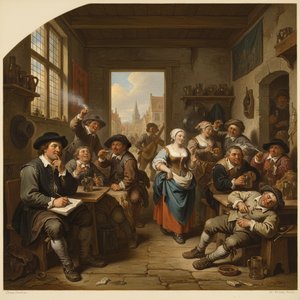
David Teniers the Younger: Genre Painting & Social Commentary in Baroque Flanders
Explore the captivating world of David Teniers the Younger, a leading Flemish Baroque painter. Discover his genre scenes, social commentary, and lasting influence on 17th-century art. Learn about his life, techniques & legacy.

Golden Age Reflections: Dutch Baroque Painting & Cultural Innovation
Explore the Dutch Golden Age of painting! Discover key artists like Vermeer & ter Borch, their innovative techniques, and the rich cultural context behind these Baroque masterpieces. Learn about collecting & appreciating this iconic art period.

Dutch Baroque Masters: 10 Paintings That Shaped an Era | ArtsDot
Journey through the Golden Age with our guide to the Top 10 Dutch Baroque masterpieces! Explore iconic paintings by Rembrandt, Vermeer & Frans Hals. Find museum-quality art reproductions and elevate your home decor at ArtsDot.com.
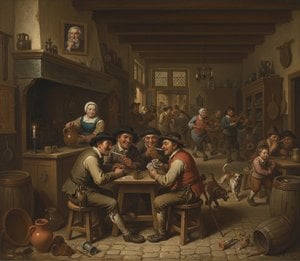
David Teniers II: Master of Flemish Genre & Social Commentary
Explore the captivating world of David Teniers II, a leading Flemish Baroque painter renowned for his lively genre scenes & insightful social commentary. Discover his masterpieces and legacy with ArtsDot.

Adriaen Brouwer: Capturing Dutch Life & Social Commentary Through Genre Painting
Explore the captivating world of Adriaen Brouwer, a master of Dutch Golden Age genre painting. Discover his vivid depictions of peasant life, social commentary, and lasting influence on art history. Learn more at ArtsDot.

