
- Početna strana

- Digitalna slika
- Abraham Bloemaert
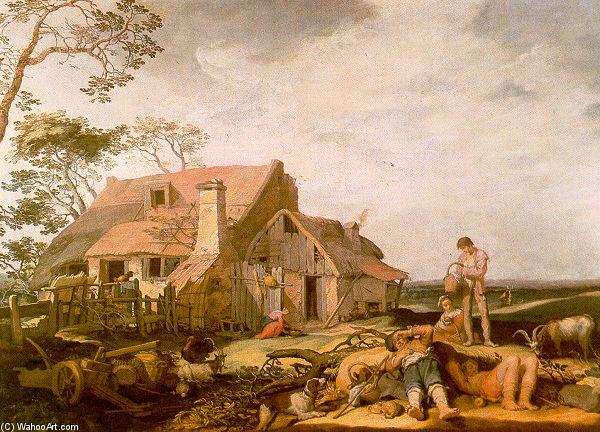
- Landscape with Peasants Resting
 Kupi štampu Naručite reprodukciju
 Pošalji
 Podeli
 Details
 Dodaj u omiljene

 Преузми
 Slični predmeti
 X-Ray
X-Ray
 Slajdovi
Landscape with Peasants Resting
 Oil On Canvas
- WallArt
- Dutch Golden Age
 1650
1650 91.0 x 133.0 cm
 Staatliche Museen zu Berlin
Kupite digitalnu sliku visoke rezolucije i poboljšanog kvaliteta, koja je znatno superiornija od onoga što vidite u online prikazu.
Svaka datoteka je pedantno pripremljena od strane naših stručnjaka koristeći napredne alate i profesionalnu ručnu retušu. Osiguravamo da svaka slika ima izuzetnu oštrinu, preciznu reprodukciju boja i fine detalje.
Konačna datoteka se dostavlja putem e-pošte u roku od 72 sata, optimizovana za neposrednu upotrebu u profesionalnim, izdavačkim i štamparskim okruženjima. To je isti kvalitet kojem veruju vrhunski studiji dizajna, izdavači i galerije.
 Pročitajte više
Digitalna slika
Preuzmite datoteku visoke rezolucije za ličnu upotrebu, štampanje i kreativne projekte.
Uključeno uz svaku porudžbinu digitalne slike
Profesionalna digitalna isporuka, zagarantovana
Kada odaberete ArtsDot.com, ne dobijate samo sliku – vi primate profesionalno unapređeno digitalno umetničko delo, izrađeno sa najvećom preciznošću i uz garanciju zadovoljstva. Evo svega što automatski dolazi uz vašu porudžbinu:

Brza dostava putem e-pošte
Vaša digitalna slika visoke rezolucije biće vam poslata putem e-pošte u roku od 72 sata od poručivanja – spremna za trenutnu upotrebu.

Digitalna datoteka unapređena veštačkom inteligencijom
Vaše umetničko delo je profesionalno optimizovano korišćenjem naprednih AI alata i ručne obrade, čime se osiguravaju maksimalni detalji, oštrina i preciznost boja.

Besplatna ponovna isporuka doživotno
Slučajno ste obrisali ili izgubili svoju datoteku? Ne brinite – poslaćemo vam je ponovo u bilo kom trenutku, potpuno besplatno.

Bez troškova uvoza – zauvek
Uživajte u svojim umetničkim delima trenutno, bez carine, dažbina ili troškova dostave – digitalni download je uvek bez poreza.

Garancija vernosti boja
Uz pomoć profesionalnih alata i upravljanja bojama, osiguravamo da vaša digitalna slika što vernije odražava originalne boje.

Garancija zadovoljstva u roku od 60 dana
Ako niste zadovoljni svojom digitalnom slikom, revidirat ćemo je ili vratiti 100% novca u roku od 60 dana – bez ikakvih pitanja.

100% garancija povrata novca
Niste zadovoljni? Obezbedite pun povrat novca u roku od 60 dana od trenutka kada ste primili svoju digitalnu datoteku – bez suvišnih pitanja.

Popusti na velike porudžbine
Kupite 3 slike, uštedite 10% - Kupite 5 slika, uštedite 15% - Kupite 10+ slika, uštedite 20%. Odlično za kreativne projekte, galerije i agencije.
Opis kolekcionarskog dela
A Window Into Seventeenth Century Dutch Pastoral
The painting “Landscape with Peasants Resting,” attributed to Abraham Bloemaert and completed in 1650, offers a captivating glimpse into the artistic sensibilities of the Dutch Golden Age—a period characterized by unparalleled creativity and intellectual fervor. Currently residing at Staatliche Museen Berlin, this monumental canvas (91 x 133 cm) transcends mere depiction; it embodies an idealized vision of rural tranquility deeply rooted in humanist ideals prevalent during its creation. Bloemaert’s masterful command of oil paint on canvas—a technique perfected by artists like Rembrandt and Frans Hals—allows for a remarkable level of textural detail, capturing the subtle nuances of light and shadow that imbue the scene with palpable atmosphere.Style and Technique: Echoes of Mannerism and Embracing Baroque Luminosity
Bloemaert’s stylistic approach skillfully blends elements characteristic of Mannerism – notably asymmetrical compositions and stylized figures – with burgeoning Baroque principles emphasizing dramatic lighting and vibrant color palettes. The artist eschews strict realism, favoring instead a carefully crafted illusion that prioritizes expressive beauty over photographic accuracy. Observe how Bloemaert employs chiaroscuro—the interplay between light and dark—to sculpt the forms of the peasants beneath the sheltering branches of an ancient oak tree. This technique not only enhances visual impact but also serves to convey a profound sense of solemn contemplation, mirroring the spiritual concerns that underpinned much Baroque art.Historical Context: Reflecting Religious Reform and Societal Values
Painted amidst the turbulent backdrop of the Dutch Reformation—a movement aimed at purging Catholicism from Dutch society—Bloemaert’s landscape reflects broader societal anxieties regarding morality and faith. The depiction of peasants engaging in quiet repose underscores the importance of piety and contemplation within the everyday lives of ordinary citizens. Furthermore, the inclusion of livestock – cows and chickens – speaks to the economic realities of rural communities and reinforces the prevailing belief in God's provision for humankind. Bloemaert’s work stands as a testament to the humanist conviction that beauty could inspire moral virtue and elevate the human spirit.Symbolism: Oak Tree, Hearth Fire, and the Cycle of Life
The oak tree dominating the composition symbolizes strength, resilience, and longevity—attributes revered in medieval symbolism and retained throughout the Baroque era. Its expansive branches provide refuge from the sun’s glare, representing divine protection and fostering a sense of serenity among the resting peasants. Equally significant is the depiction of a humble wooden house with a thatched roof and a flickering hearth fire. This domestic emblem embodies warmth, comfort, and familial unity—values central to Dutch cultural identity during Bloemaert's time. The presence of animals reinforces the cyclical nature of life – birth, growth, decay, and renewal – mirroring God’s eternal dominion over creation.Emotional Impact: A Balm for Troubled Times
Ultimately, “Landscape with Peasants Resting” transcends its formal qualities to evoke a powerful emotional response in the viewer. The painting's serene beauty offers respite from the anxieties of Reformation-era Holland—a balm for troubled souls seeking solace amidst worldly concerns. Bloemaert’s masterful use of color and light creates an immersive experience that transports us back to a bygone era, reminding us of the enduring power of art to inspire contemplation and reaffirm our connection to the natural world. It remains a timeless masterpiece—a testament to the artistic genius of Abraham Bloemaert and the profound spiritual values of the Dutch Golden Age.Srodna umetnička dela


Biografija umetnika
A Life Immersed in Art: The World of Abraham Bloemaert
Abraham Bloemaert, born in Gorinchem in 1564 and passing away in Utrecht in 1651, stands as a pivotal figure bridging the Mannerist and Baroque periods in Dutch painting. His long and prolific career unfolded against a backdrop of religious and political upheaval, yet he consistently produced works imbued with both dramatic intensity and subtle beauty. Bloemaert’s journey began under the tutelage of his father, Cornelis Bloemaert I, an architect who instilled in him a foundational understanding of form and composition. This early training was further refined through studies with Gerrit Splinter and Joos de Beer in Utrecht, laying the groundwork for his artistic explorations. A crucial period followed – three years spent in Paris from 1581 to 1583. There, he absorbed influences from Jehan Bassot and Maistre Herry, while also encountering the works of Hieronymus Francken, a fellow Dutch artist who broadened his stylistic horizons. This Parisian sojourn proved formative, exposing him to the refined elegance of the French School and setting the stage for his later innovations.From Mannerism to Baroque: A Shifting Aesthetic
Upon returning to Utrecht, Bloemaert quickly established himself as a leading artist. Initially, his style aligned with the prevailing Haarlem Mannerism – characterized by elongated figures, elegant poses, and often complex allegorical narratives. However, he was not content to remain solely within this framework. As the 17th century dawned, Bloemaert began to embrace the emerging Baroque aesthetic, a shift marked by increased dynamism, emotional intensity, and a heightened sense of realism. This transition wasn’t abrupt; rather, it represented a gradual evolution, blending elements of both styles into a uniquely personal artistic language. He skillfully incorporated dramatic lighting effects, rich color palettes, and expressive gestures to convey powerful narratives and evoke profound emotions in his viewers. His paintings began to resonate with a new energy, reflecting the changing cultural landscape of the Dutch Republic.A Master of Diverse Subjects and Techniques
Bloemaert’s artistic output was remarkably diverse. He excelled in history painting, bringing biblical stories and classical myths to life with compelling detail and emotional depth. Landscapes also held a special place in his repertoire, often serving as settings for religious or mythological scenes, but increasingly becoming subjects in their own right – picturesque vistas populated with figures engaged in everyday activities. Beyond painting, Bloemaert was a highly skilled printmaker, proficient in both etching and engraving. These prints served to disseminate his artistic vision more widely, contributing significantly to his reputation and influence. His technical mastery extended to still lifes and animal paintings as well, demonstrating an exceptional versatility that set him apart from many of his contemporaries. Notable works such as “The Expulsion of Hagar and Ishmael,” “Venus and Adonis”, and "Warrior & Young Standard-Bearer" exemplify this range, showcasing his ability to handle complex compositions and convey nuanced emotions with equal skill.A Prolific Teacher and Lasting Legacy
Abraham Bloemaert was not only a gifted artist but also an influential teacher. He established a thriving workshop in Utrecht, attracting numerous students who would go on to become prominent artists themselves. Remarkably, his four sons – Hendrick, Frederick, Cornelis, and Adriaan – all followed in his footsteps, achieving considerable success as painters and engravers. Beyond his immediate family, Bloemaert mentored a generation of Dutch artists, including Jan Aerntsz de Hel, Nicolaes van Bercheyck, Leonaert Bramer, Bartholomeus Breenbergh, Hendrick ter Brugghen, and Gerrit van Honthorst. His influence was particularly profound on the Utrecht Caravaggisti – a group of painters who embraced the dramatic realism and tenebrism (the use of strong contrasts between light and dark) pioneered by Caravaggio. Bloemaert’s teachings helped to shape their distinctive style, solidifying his position as a central figure in the development of Dutch Baroque painting. His legacy continues to resonate today, with his works admired for their technical brilliance, emotional power, and historical significance. They stand as testaments to a life dedicated to artistic exploration and innovation, leaving an indelible mark on the art world.
Abraham Bloemaert
1564 - 1651

