Odkrijte Honoréja Daumierja (1808-1879), francoskega mojstra realizma in satire! Raziskajte njegove močne litografije, slike in kipe, ki kritizirajo 19. stoletno družbo ter vplivajo na moderno umetnost.
Zavlečina, utrtana v viziji: Raziskovanje duše Museum Folkwang
V industrijskem srcu Essena v Nemčiji Museum Folkwang stoji ne le kot priča umetniškemu zbirateljstvu, temveč kot spomen globoki in trajni viziji – narrativa, prepletena s strastnimi prizadevanji zasebnih zbirateljev, turbulentnimi tokovi zgodovine in neomajno predanostjo zagovarjanju evolucije moderne ekspresije. Izrodjen iz harmonične unije dveh ločenih, a dopolnjujočih se dediščin – Essener Kunstmuseum, ustanovljenega leta 1906, in pionirskega Folkwang muzeja Karla Ernsta Osthausa iz leta 1902 – je ta institucija hitro vzrastla v svetilnik avantgardne misli, ki je že v svojih začetnih letih bila hvaljena kot nepreverljiv prostor, posvečen umetniškemu raziskovanem. Izjava Paula J. Sachsa iz leta 1932, ko je mu pripisal naslov
„najlepši muzej na svetu“
, je odražala globoko resnico: Museum Folkwang uteleša edinsto zlitje estetske ambicije in intelektualne doslednosti – duha, ki še danes definira njegovo identiteto. Samo ime »Folkwang«, ki vzbudi spomin na noronsko pašnik smrti pod nadzorom boginje Freyje, namiguje na globoko vpletenost muzeja v teme življenja, izgube in spominov, kar vsaki razstavi doda pretretno resonanco.
Zgodba Museum Folkwang je neločljivo povezana z njegovim utemeljiteljem, Karlom Ernstom Osthausom, katerega radikalna vizija je oblikovala same temelje institucije. Ustanovljen leta 1902, je bil Folkwang zammišljen kot več kot le skladišče umetnosti; zammišljen je bil kot dinamično forum – prostor, zasnovan za spodbudjanje dialoga med umetnostjo in družbo, kar je bila takrat izjemno progresivna ideja, ki še danes usmerja njegovo programiranje. Osthaus je s strastjo verjel v transformativno moč umetnosti, pri čemer je zagovarjal njeno vlogo ne le kot dekoracije, temveč kot katalizator družbene spremembe in intelektualne rasti. Ta predanost je takoj zaznavna v zgodnjih zbirkah muzeja, ki so z navdušenjem sprejeli impresionizem in postimpresionizem ter v Essen privabile umetnike, kot sta Cézanne in Matisse, s čimer so mesto trdno utrdile kot ključno središče umetniške inovacije tistega obdobja. Sprejemanje nemškega ekspresionizma – z deli Ernsta Ludwiga Kirchnerja, Emila Nolde in Oskara Kokoschke – je še dodatno utrdilo ugled Museum Folkwacija kot zagovornika surove čutnosti in vizceralne izkušnje, ki ponuja močno soočenje z negotovostmi modernega sveta. Zbirka nemške umetnosti zgodnjih 20. stoletja je posebej znana po svoji intenzivnosti in čustveni globini, saj prikazuje generacijo, ki se je soočala z hitrimi družbenimi in političnimi spremembami.
Prepustitev muzejskim holdingsom razkriva izjemno globino, še posebej v njegovi povezanosti z impresionizmom in postimpresionizmom. Tu vrhunska dela Cézanneja in Matissea niso predstavljena kot izolirana triumfa, temveč kot ključni trenutki širšega umetniškega dialoga – pogovora o svetlobi, barvi in subjektivni izkušnji realnosti. Natančno opazovanje in geometrična poenostavitev, značilna za Cézannejeve pejzaže in življenjske slike – kot je na primer »Mont Sainte-Victoire« – so posebej očarljive, medtem ko Matissejeva drzna uporaba barv, ki zajema bistvo mediteranske svetlobe, vsakdanje teme spremeni v platna, polna vitalnosti. Poleg teh temeljnih gibanj se Museum Folkwang loči tudi po svoji globoki povezanosti z nemškim ekspresionizmom, ki prikazuje zbirko, ki utripa z intenzivnostjo, porajenega iz družbenih tesnob in osebne introspekcije. Muzej se ne izogiba temnejšim tokom človeške izkušnje in ponuja pretretno refleksijo o kompleksnosti modernega sveta – pričed za Osthausovo prvotno vizijo. Poleg tega njegova obsežna arhiva več kot 340.000 nemških plakatov, ki sega od Weimarjeve republike do hladnega vojne, predstavlja neprecenljiv vizualni kronik političnega diskurza, ekonomskih premikov in spreminjajočih se kulturnih občutkov, kar dokazuje sposobnost umetnosti, da služi kot ogledalo in oblikovalec družbe.
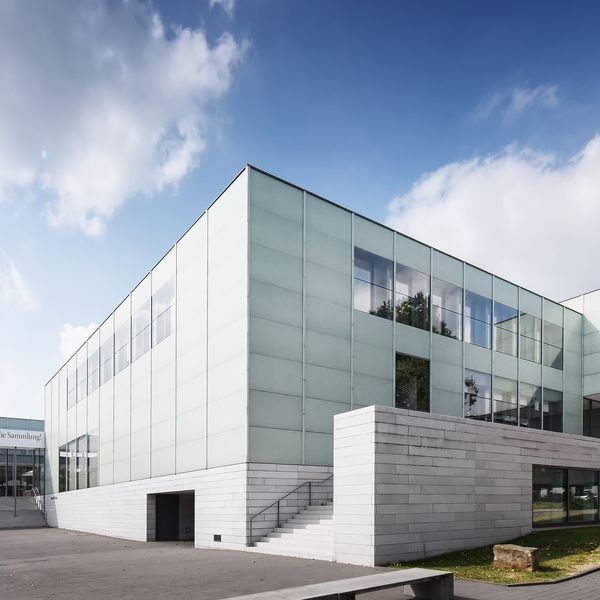
Fizična struktura samega Museum Folkwang je odraz njegove dinamične zgodovine in naprej gledajočega duha. Prvotno zgradanje je bilo premišljeno razširjeno, najbolj opazno skozi pomembno nadgradnijo iz leta 2010, ki jo je zasnoval David Chipperfield. To ni bila le dodaja prostora; bil je skrbno premišljen dialog med ohranjanjem zgodovine in sodobnim oblikovanjem – dovršen spoj beton in stekla, ki spoštuje dediščino muzeja, hkrati pa maksimira naravno svetlobo in ustvarja dinamične izložbene prostore. Chipperfieldova intervencija se neopazno vpleta v obstoječo arhitekturo, kar rezultira v harmonijo starega in novega. Polprepustna, alabastrina fasada, izdelana iz recikliranih steklenih plošč, se spreminja z naravno svetlobo in ustvarja eterično kakovost, ki vabi k raziskovanju. Znotraj proslavljeni odprti prostori in premišljena osvetlitev izboljšujejo doživljanje vsakega umetniškega dela, kar spodbuja občutek intimnosti in kontemplacije. Arhitektura zgradanja ni le funkcionalna; ona aktivno prispeva k izkušnji obiskovalca, poudarja odprtost in omogoča globljo povezanost z izpostavljenimi vrhunskimi deli.
Vendar pa je zgodovina Museum Folkwang neločljivo povezana tudi s bolečim poglavjem nemške zgodovine: vzponom nacizma. Zadušitev umetniške svobode je vodila do prisilnega odstranjevanja več kot 1.200 umetnin, označenih za »degenerativne«, kar je bila uničujoča izguba, ki je globoko prizadela zbirko in ugled muzeja. Kljub tem srcelomajnim izgubam je Museum Folkwang vztrajal, po drugi svetovni vojni pa je s trdnimi prizadevanji znova zgradil svojo zbirko in potrdil svojo zavezanost umetniški integriteti. Odpornost, pokazana v tem temnem obdobju, stoji kot močan simbol predanosti tistih, ki so verjeli v trajno moč umetnosti, da presega politične ideologije in navdihuje prihodnje generacije. Muzejov odnos do »degenerativne umetnosti« – katerega primer je kontroverzna razstava iz leta 1937, organizirana skozi Joseph Goebbelsa – služi kot pretretno opominjanje na nevarnosti cenzure in pomembnost varovanja kulturne dediščine. Danes Museum Folkwang ostaja ne le skladišče vrhunskih del, temveč tudi močan spomen umetnikom, katerih glasovi so bili utišani med enim najturbulentnejšimi obdobji zgodovine.
Glavne znamenitosti in zbirke
Zbirka muzeja je živopisna tapiserija, prepletena z različnimi umetniškimi nitmi, ki obiskovalcem ponuja pot skozi evolucijo moderne umetnosti. Med ključne poudarke sodijo:
Impresionizem in postimpresionizem:
Presenetljiv niz del Monet, Renoir, Cézanne in Matisse – ki prikazujejo njihove revolucionarne pristope k svetlobi, barvi in obliki.
Nemški ekspresionizem:
Močne slike in printi Kirchnerja, Nolde, Kokoschke in drugih, ki zajamejo tesnobo in čustveno intenzivnost zgodnjega 20. stoletja.
Nemška umetnost zgodnjega 20. stoletja:
Pomembna zbirka, ki dokumentira umetniško vročino Weimarjeve republike, s deli Dixa, Grosza in Schada.
Arhiv fotografije:
Obsežna arhiva z več kot 50.000 fotografijami, ki ponuja edinstveno perspektivo na zgodovino fotografije in vizualne kulture.
Nemški plakati (Deutsche Plakat Museum):
Izstopajoča zbirka več kot 340.000 plakatov od Weimarjeve republike do hladne vojne, ki nudi fascinanten vpogled v politični diskurs in družbene trende.
Arhitektura in oblikovanje
Arhitektura muzeja je enako privlačna kot njegova umetnost. Prvotno zgradanje iz leta 1902 je bilo premišljeno ohranjeno in razširjeno z osupljivo nadgradnjo iz leta 2010, ki jo je zasnovala ekipa David Chipperfield Architects. Ta moderna dopolnitev se neopazno združuje z zgodovinsko strukturo, ustvarja dinamičen prostor, ki maksimira naravno svetlobo in obiskovalcem ponuja poglobljeno izkušnjo. Uporaba recikliranega stekla v fasadi je posebej vredna pozornosti, saj odraža zavezaność muzeja trajnosti in inovacijam.
Pomembne razstave in dogodki
V svoji zgodovini je Museum Folkwang gostil številne pomembne razstave, ki so oblikovale diskurs okoli moderne in sodobne umetnosti. Nekateri izmed najbolj opaznih primerov vključujejo:
Razstava »Degenerate Art« iz leta 1937:
Kontroverzna razstava del, ki jih je nacistički režim označil za »degenerativne«, kar služi kot pretretno opominjanje na nevarnosti cenzure.
Retrospektive Williama Kentridgea:
Muzej je predstavil priznane retrospektive dela južnoafriškega umetnika Williama Kentridgea, raziskujoč njegove zapletene animirane risbe ter teme moči, spomina in socialne pravičnosti.
Fotografska razstava Otta Steinerta:
Proslavljanje pionirskega dela nemškega fotografa Otta Steinerta, znanega po inovativni uporabi tehnik luminogramov.
Osredišče kulturnega vključevanja
Poleg svojih umetniških holdingsov Museum Folkwang deluje kot živahno kulturno središče, ki spodbuja dialog in razumevanje znotraj skupnosti. Ustanovitev muzeja s strani Karla Ernsta Osthausa je vzpostavila precedens za vključevanje, ki še danes odmeva – holističen pristop k umetnosti, ki objema slikarstvo, videnje, fotografijo, grafično umetnost in plakate. Ta celovita zbirka obiskovalcem nudi edinstven panoramski pogled na umetniški razvoj 19. in 20. stoletja ter jih vabi k sodelovanju v trajnem pogovoru o moči in namenih same umetnosti. Muzej redno organizira izobraževalne programe, delavnice in predavanja za vse starosti, s čimer še dodatno utrjuje svojo vlogo vitalne institucije za prihajajoče generacije.
Uredništvo ArtsDot.com
Umetniški kviz
Za vsako vprašanje je na voljo le en pravilen odgovor.
Vprašanje 1:
Kako je bila ustanavljena Muzejska galerija Folkwang?
Vprašanje 2:
Kateri umetniški slog je Muzejska galerija Folkwang posebej sprejela v zgodnjih letih svojega obstoja?
Vprašanje 3:
Kateri pomembni zgodovinski dogodek je vodil Muzejsko galerijo Folkwang v obdobju nacističe vladavine?
Vprašanje 4:
Kako je David Chipperfieldova dodana stavba Muzejski galeriji Folkwang znana?
Vprašanje 5:
Katerega pomembnega umetniškega dogodka je Muzejska galerija Folkwang gostovala?
Explore the powerful world of Ernst Ludwig Kirchner and German Expressionism. Discover his iconic paintings, Die Brücke group, and the movement's exploration of urban anxiety & modern identity. Expert analysis for collectors & enthusiasts.