

 Predogled v realnem okolju
 Pošlji
 Deli
Deli
 Podrobnosti o delu
 Priročnik

 Prenesi sliko
 Podobni izdelki
 Rentgenski posnetek
 Predvajaj diaporama
 Vprašanja in odgovori
 Statistika
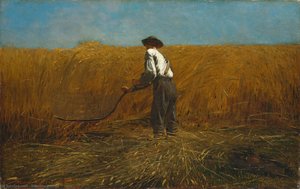
Militia Drilling

- 16.0 x 24.0 cm


 Preberi več
Giclée tisk / Umetniški tisk
Giclée ali platnati odtis muzejske kakovosti z hitro proizvodnjo in prilagodljivimi možnostmi končne obdelave. ( Kupite ročno slikano delo Preklop na digitalno sliko)




P118B €10

P118H €10

P118W €10

P438Z €10

P508JH €12

P508YH €12

P805H €10

P805Z €10

P919BZ €10

P919G €10

P919XJ €10

P959ZH €10

P968JZ €12

W106C €8

W218G €10

W218JH €8

W218Y €10

W307PJ €10

W316G €10

W316PJ €8

W316Y €10

W398PJ €8

W4111J €10

W500HY €15

W500JH €15

W692G €12

W849H €8

W940BG €15

W953PJ €8




Izberite eno od naših vnaprej določenih velikosti, ki ustrezajo prvotnim proporcijam umetničkega dela.

Vnesite širino in višino, ki jih potrebujete za svoj okvir ali steno. Tiskanje se lahko le odreže, vendar ga ni mogoče narediti večjega od slike, zato format z drugačno obliko pomeni izgubo dela slike. Pred tiskanjem vam pošljemo digitalni predogled za potrditev. Slika, prikazana na tej strani, ne prikazuje dejanskega izrezka — le predogled to omogoča.
Globalna dostava () v 2 tednih namesto standardnih 4/5 tednov. (7 november)

Brezplačna ekspresna dostava po vsem svetu

Visokokakovostno laneno platno

Popolno zavarovanje pošiljke

Garancija povračila carine in uvoznih davkov

Garancija popolnega barvnega ujemanja

100-dnevna politika vračil (le v primeru okvar)

Garancija 100% povračila denarja

Popust pri večjem naročilu
 Možnost stekla je na voljo le za velikosti pod 110 cm

Militia Drilling
Giclée tisk / Umetniški tisk
Velikost reprodukcije
-


Skupna cena
€ 56
Vprašanja in odgovori
Ali so barve v delu "Militia Drilling" avtorja William P Chappel nasičene ali utemeljene?
Barve dela "Militia Drilling" avtorja William P Chappel imajo Muted zasičenost. Zasičenost opisuje, kako živahne ali utišane so barve.
Kdo je ustvaril "Militia Drilling" in v kakšnem slogu je izvedeno?
"Militia Drilling" je ustvaril William P Chappel v slogu Realism. Umetnik in umetniška smer opredeljata tradicijo dela.
V katero obdobje umetnostnega razvoja William P Chappel pripada delo "Militia Drilling"?
"Militia Drilling" pripada Late Medieval v karieri umetnika William P Chappel. Ta razvrstitev povezuje delo z umetnikovim razvojnim obdobjem.
Sorodna umetniška dela


Biografija umetnika
The Visionary Lens of Walter Chappell
The artistic legacy of Walter Chappell (1925–2000) resides not merely in his photographs but in a profound, almost spiritual connection to the natural world. His work represents a lineage traceable back to the pioneering visionaries of American photography, most notably Alfred Stieglitz and Edward Weston. Emerging from the creative crucible of postwar New York City, Chappell developed an unwavering dedication to capturing the very essence of landscapes. He achieved this through a distinctive and sophisticated blend of black and white printing techniques and experimental electron imagery—a stylistic duality that cemented his place as a significant figure within the mid-century avant-garde movement.
Chappell’s formative years were steeped in an intense intellectual curiosity, nurtured by his early studies at the Eastman Kodak Company. This technical foundation was later honed through vital collaborations with influential masters of the medium. From Stieglitz, Chappell inherited the conviction that photography could transcend mere documentation to become a vessel for emotion and philosophical contemplation. From Weston, he drew a meticulous attention to detail and a masterful command of tonal range. These influences are palpable throughout his entire oeuvre, where his compositions prioritize a striking geometric precision alongside subtle, breathing textural nuances.
A Study in Light, Shadow, and Stillness
The heart of Chappell’s photographic practice was an intimate exploration of the interplay between light and shadow within expansive, often desolate vistas. He famously eschewed grand, sweeping narratives or overtly expressive gestures, choosing instead to embrace a quiet, disciplined observation of geological formations. His lens focused on the silent majesty of mountains, the rugged depths of canyons, and the stark emptiness of deserts, examining how these ancient structures impact human perception. There is an almost meditative stillness achieved in his work, a quality born from deliberate cropping and the careful, rhythmic manipulation of his printing processes.
While many of his contemporaries were drawn to the burgeoning vibrancy of color, Chappell remained steadfastly committed to the monochrome print. He believed that the absence of color allowed for a deeper engagement with form and texture, stripping away the distractions of the spectrum to reveal the skeletal beauty of the earth. His images are characterized by:
- Geometric Precision: A structural approach to landscape that finds order in natural chaos.
- Tonal Depth: An extraordinary range of grays that lends a tactile, three-dimensional quality to flat surfaces.
- Atmospheric Texture: The use of experimental techniques to evoke the grain and grit of the physical world.
Historical Significance and Lasting Impact
Chappell’s contribution to the history of 20th-century photography lies in his ability to bridge the gap between the traditionalist landscape school and the experimental avant-garde. By integrating technical experimentation with a deep, classical respect for composition, he helped evolve the photographic language of the American West. His work does not simply show us a place; it invites us into a state of being, demanding that the viewer slow down and witness the quiet evolution of the terrain.
Today, his presence in prestigious institutions such as MoMA and the Princeton University Art Museum serves as a testament to his enduring relevance. Through the preservation of his archives—including significant gelatin silver prints—the art world continues to find inspiration in his ability to distill the vastness of the American landscape into a singular, hauntingly beautiful moment of clarity. His life's work remains a profound reminder that through the lens, the most silent landscapes can speak with an incredible, enduring voice.

William P Chappel
1800 - 1880
Hitri podatki
- Full Name: Walter Chappell
- Nationality: American
- Date Of Birth: 1800
- Date Of Death: 1880
- Place Of Birth: New York City, USA
- Notable Artworks: ['Paris Opera Opening']
- Artistic Movement Or Style: Landscape Photography
- Artists Who Influenced This Artist:
- Edward Weston
- Alfred Stieglitz
- Artists Or Movements Influenced By This Artist: ['Modernism']
Sorodni članki

American Realism: Social Commentary & Artistic Representation in Early 20th-Century Painting
Explore the powerful social commentary & artistic representation of American Realism. Discover key artists like Bellows & Sloan, and understand the movement's lasting impact on 20th-century art history.

Echoes of Place: Regionalism & American Identity in Interwar Art
Explore the rise of American Regionalism in interwar art! Discover Grant Wood, Thomas Hart Benton & the movement's impact on American identity. Expert analysis & historical context.

American Regionalism: A Crucible of Identity – Exploring Themes of Place, Labor & Social Commentary
Explore American Regionalism's powerful depiction of the American heartland during the Great Depression. Discover Grant Wood, Thomas Hart Benton & more. Expert analysis & high-quality art reproductions at ArtsDot.

American Realism's Defining Works: 10 Masterpieces for Your Home
Explore 10 defining American Realism masterpieces – Hopper, Homer & more. Discover the stories behind these iconic paintings and bring timeless art to your home with ArtsDot's museum-quality reproductions. Explore the full collection online.

Grant Wood & American Regionalism: Identity, Myth & the Rural Landscape
Explore the world of Grant Wood & American Regionalism with ArtsDot. Discover the symbolism behind 'American Gothic', recurring themes, and the movement's lasting impact on art history. High-quality reproductions available.