


 Preverite v realnem okolju
 Pošlji kot čestitko
 Deli
Deli
 Podrobnosti
 Priročnik

 Prenesi
 Podobni artefakti
 Rentgenski posnetek
 Predvajaj diaporama
 Statistika
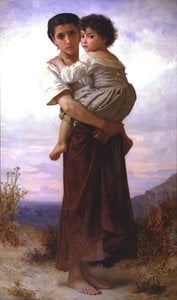
The Little Shepherdess


 Preberi več
Ročno izdelana oljna reprodukcija
Ročno slikano olje na platnu v vaši izbiri velikosti in okvirja, izdelano po naročilu naših umetnikov. ( Preklop na tiskanine Preklop na digitalno sliko)




P118B $10

P118H $10

P118W $10

P438Z $10

P508JH $12

P508YH $12

P805H $10

P805Z $10

P919BZ $10

P919G $10

P919XJ $10

P959ZH $10

P968JZ $12

W106C $8

W218G $10

W218JH $8

W218Y $10

W307PJ $10

W316G $10

W316PJ $8

W316Y $10

W398PJ $8

W4111J $10

W500HY $15

W500JH $15

W692G $12

W849H $8

W940BG $15

W953PJ $8




Izberite eno od naših vnaprej določenih velikosti, ki ustrezajo prvotnim proporcijam umetničkega dela.

Svoje dimenzije lahko vnesete tako, da se prilagodite določenemu okvirju ali prostoru. Če izbrana velikost ne ustreza razmerjem originalne slike, bomo umetniško delo obrezali ali sliko dopolnili z dodatnimi ročno naslikanimi elementi. Pred začetkom proizvodnje vam bo poslan digitalni osnutek v odobritev.
Upoštevajte, da predogled na zaslonu ne odraža dejanskega obrezovanja ali podaljšanja. Le osnutek bo natančno prikazal končno kompozicijo.
Čeprav so na voljo velikosti po meri, priporočamo izbiro dimenzije s preddefiniranega seznama, da ohranimo originalne razmere.
Po oddaji naročila bo ekipa ArtsDot.com stranki po e-pošti poslala navodila in predogled digitalnega predogleda.
Mednarodna dostava () v 3/4 tednih namesto običajnih 5 tednov. (26 september). Brez kompromisov pri kakovosti.

Brezplačna ekspresna dostava po vsem svetu

Visokokakovostno laneno platno

Popolno zavarovanje pošiljke

Garancija povračila carine in uvoznih davkov

Garancija popolnega barvnega ujemanja

Politika vračila v 100 dneh (le v primeru okvar)

Garancija 100% povračila denarja

Popust pri večjem naročilu
 Možnost stekla je na voljo le za velikosti pod 110 cm

The Little Shepherdess
Tehnika reprodukcije
Velikost reprodukcije
-


Skupna cena
$ 263
A Vision of Pastoral Serenity
In the luminous realm of William-Adolphe Bouguereau’s "The Little Shepherdess," completed in 1889, viewers are transported into a meticulously crafted world where innocence and pastoral beauty converge. This quintessential masterpiece of Academic Impressionism serves as more than a mere depiction of rural life; it is an invitation to witness a moment of profound tranquility. The painting portrays a young woman, her presence radiating a sense of purity and grace, seated amidst a verdant meadow. Beside her, the subtle presence of a shepherd boy gazing with quiet adoration adds a layer of tender narrative, suggesting the romanticized societal ideals of the Belle Époque. As the eye wanders through the composition, the inclusion of horses and the soft rustle of trees in the background reinforce a theme of timeless tradition and the harmonious coexistence of humanity and nature.
The technical brilliance of Bouguereau is nowhere more evident than in his masterful use of the glazing technique. By layering thin, translucent washes of color over a precise underpainting, the artist achieved a breathtakingly luminous quality that seems to emanate from within the canvas itself. Every texture—from the soft, tactile wool of the shepherdess's attire to the delicate, sun-drenched blades of grass—is rendered with an unparalleled realism that borders on the divine. His brushstrokes are nearly invisible, serving only to create a soft, diffused glow that bathes the figures in warmth. This meticulous attention to detail ensures that the skin tones possess a lifelike vitality, making the subject feel present and breathing, a hallmark of his commitment to the classical ideals of beauty.
Historical Resonance and Symbolic Depth
To understand "The Little Shepherdess" is to understand the cultural heartbeat of late 19th-century France. Created during an era fascinated by mythological narratives and the idealized representation of womanhood, the work draws deep inspiration from the Old Masters. Bouguereau’s reverence for Raphael is palpable, particularly in how he translates the spiritual weight of Renaissance frescoes into a modern, pastoral setting. The painting embodies the Victorian obsession with moral virtue and domestic tranquility, presenting an idyllic version of the countryside that offered a soothing escape from the rapid industrialization of the age. It is a window into a lost era of perceived simplicity and grace.
Beyond its visual splendor, the artwork carries a profound emotional weight that continues to captivate collectors and decorators alike. The symbolism of the shepherdess—often representing innocence and the untainted soul—resonates deeply within the domestic space. For the interior designer, this piece offers a sense of calm and sophisticated nostalgia, making it an ideal focal point for rooms intended to evoke peace and reflection. Whether viewed as a study in classical technique or an emotional journey into a sunlit meadow, "The Little Shepherdess" remains a timeless testament to the enduring power of beauty, offering a soulful connection to the heights of academic artistry.
Sorodna umetniška dela




Biografija umetnika
William Adolphe Bouguereau (1825–1905): The Sculptor of Ideal Beauty
Born in La Rochelle, France, William-Adolphe Bouguereau emerged from the pastoral landscapes of his youth as a painter destined for greatness—a champion of classical ideals and an unparalleled master of realistic detail. From early childhood, he demonstrated an extraordinary aptitude for drawing and sculpting, nurtured by his father’s encouragement and fueled by an innate fascination with mythology and biblical narratives. These formative influences would shape his artistic vision throughout his prolific career, establishing him as a dominant figure in the Parisian Salon and securing his place among the most revered artists of the 19th century.Early Training and Artistic Influences
Bouguereau’s formal education began at the École des Beaux-Arts in Paris, where he honed his skills under the tutelage of François-Edouard Picquenot—a sculptor himself who instilled in Bouguereau a profound appreciation for anatomical accuracy and sculptural form. Recognizing his exceptional talent, Picquenot guided him toward studying the works of Raphael and Titian—artists whose mastery of composition, color palettes, and idealized beauty served as beacons for Bouguereau’s artistic development. These encounters with Renaissance titans profoundly impacted Bouguereau's aesthetic sensibilities, shaping his unwavering commitment to portraying beauty in its most sublime form. He absorbed their techniques meticulously, striving to emulate their ability to convey emotion through serene poses and luminous surfaces—a pursuit that would define his distinctive style for decades to come.The Salon Years: Mythological Visions and Genre Scenes
Bouguereau’s artistic career gained momentum during the Salon years—the annual exhibition of French artists that served as the epicenter of Parisian art life. He swiftly ascended the ranks of academic painting, garnering critical acclaim for his monumental mythological canvases—particularly *The Birth of Venus* (1889), which captured the goddess Aphrodite emerging from the sea foam with breathtaking grace and ethereal beauty. However, Bouguereau’s artistic repertoire extended beyond mythology; he excelled in depicting everyday life—tender scenes of pastoral families, graceful depictions of nymphs bathing in streams, and evocative portraits of women imbued with dignity and serenity. His genre paintings—such as *Bergère 1886*—demonstrated his remarkable ability to convey emotion through subtle gestures and nuanced expressions—a skill that resonated deeply with audiences and cemented his reputation as a master craftsman.Technique and Artistic Philosophy
Bouguereau’s artistic technique was characterized by an obsessive attention to detail—a relentless pursuit of anatomical precision, a painstaking layering of glazes to achieve luminous color palettes, and a masterful manipulation of light to sculpt form from pigment. He believed that art should strive for perfection—that it ought to capture the essence of beauty in its purest form—and he approached his work with unwavering conviction. Unlike Impressionists who sought to depict fleeting impressions of nature, Bouguereau meticulously rendered subjects with painstaking accuracy—creating images that were both aesthetically pleasing and intellectually stimulating. His artistic philosophy revolved around honoring tradition—embracing classical ideals as a guide for creative expression—a stance that distinguished him from the avant-garde movements emerging in Europe during his lifetime.Legacy and Enduring Influence
Despite facing criticism from some avant-garde circles, Bouguereau’s influence endured throughout the 20th century—inspiring generations of figurative painters who sought to emulate his mastery of form and light. His paintings continue to captivate audiences today—celebrated for their beauty, skill, and emotional depth—and they serve as a testament to the enduring power of classical ideals. Bouguereau’s legacy extends beyond his own artistic achievements; he established the École Bouguereau in Paris—a prestigious institution dedicated to preserving traditional artistic values and nurturing talent among aspiring artists—ensuring that his influence would continue to resonate for decades to come. His monumental sculptures—particularly *The Fallen Angel*—stand as enduring symbols of faith and artistic excellence—affirming his unwavering belief in the transformative potential of art. Bouguereau remains a cornerstone of French academic painting, representing the apex of realism and embodying an idealized vision of beauty that transcends time itself.
Viljem Adolphe Bogujev
1825 - 1905 , Francija
Ključne informacije
- Artistic Movement Or Style: Akademska realistična umetnost
- Artists Who Influenced This Artist:
- Rafael
- Titian
- Date Of Birth: 1825
- Date Of Death: 1905
- Full Name: William-Adolphe Bouguereau
- Nationality: Francoz
- Notable Artworks:
- Nymphaeum
- Bergère 1886
- Otrok pri kopanju
- Pesem angelov
- Ustvarjanje Venuse
- Place Of Birth: La Rochelle, Francija
Sorodni članki
Academic Realism: Technique, History & Enduring Influence on Art
Explore the captivating world of Academic Realism! Discover key artists, techniques & its lasting impact on art history. Expert insights & high-quality reproductions at ArtsDot.

Academic Art: Tradition, Technique & the Pursuit of Ideal Form in the 19th Century
Explore the world of Academic Art! Discover its history, key artists like Ingres & Bouguereau, defining techniques, and lasting influence on 19th-century painting. Learn about the Salon system and its legacy.

Academic Art: Tradition, Technique & the Rise of Modernism
Explore the rich history of Academic Art – its techniques, key masters like Bouguereau & Ingres, and influence on 19th-century painting. Discover this enduring tradition.

Academic Realism's Finest: 10 Masterpieces for Art Lovers & Home Decor
Explore 10 defining Academic Realism masterpieces by Bouguereau, Gérôme & Cabanel. Discover the stories behind these iconic paintings and bring timeless art into your home with museum-quality reproductions from ArtsDot.com. Explore the full collection online!
John William Waterhouse: Pre-Raphaelite Mythmaker & Poetic Depictions of Female Identity
Explore the captivating world of John William Waterhouse, a master of Pre-Raphaelite painting. Discover his iconic depictions of mythology and female identity in this expert guide.

