

 Predogled v realnem okolju
 Pošlji
 Deli
Deli
 Podrobnosti o delu
 Priročnik

 Prenesi sliko
 Podobni izdelki
 Rentgenski posnetek
 Predvajaj diaporama
 Vprašanja in odgovori
 Statistika
Suzanne

- 47.0 x 62.0 cm

 Preberi več
Umetniška dela, prikazana na tej strani, so zaščitena z avtorskimi pravicami, kar pomeni, da po zakonu ne moremo ustvarjati ali prodajati identičnih reprodukcij. Ta zaščita se izvaja v skladu z mednarodnimi sporazumi, kot so Bernska konvencija in po nacionalnih zakonih, vključno s tistimi, ki jih določa Zakon o avtorskih pravicah ZDA – naslov 17.
Ta način v celoti upošteva zakonodajo o avtorskih pravicah, saj ne vključuje kopiranja ali podvajanja zaščitenga umetniškega dela. Namesto tega gre za kreativno preinterpretacijo – novo sliko, ki je navdihnjen rezultat originala, vendar ni z njim identična.
Giclée tisk / Umetniški tisk
Giclée ali platnati odtis muzejske kakovosti z hitro proizvodnjo in prilagodljivimi možnostmi končne obdelave. ( Kupite ročno slikano delo Preklop na digitalno sliko)




P118B €10

P118H €10

P118W €10

P438Z €10

P508JH €12

P508YH €12

P805H €10

P805Z €10

P919BZ €10

P919G €10

P919XJ €10

P959ZH €10

P968JZ €12

W106C €8

W218G €10

W218JH €8

W218Y €10

W307PJ €10

W316G €10

W316PJ €8

W316Y €10

W398PJ €8

W4111J €10

W500HY €15

W500JH €15

W692G €12

W849H €8

W940BG €15

W953PJ €8




Izberite eno od naših vnaprej določenih velikosti, ki ustrezajo prvotnim proporcijam umetničkega dela.

Vnesite širino in višino, ki jih potrebujete za svoj okvir ali steno. Tiskanje se lahko le odreže, vendar ga ni mogoče narediti večjega od slike, zato format z drugačno obliko pomeni izgubo dela slike. Pred tiskanjem vam pošljemo digitalni predogled za potrditev. Slika, prikazana na tej strani, ne prikazuje dejanskega izrezka — le predogled to omogoča.
Globalna dostava () v 2 tednih namesto standardnih 4/5 tednov. (12 november)

Brezplačna ekspresna dostava po vsem svetu

Visokokakovostno laneno platno

Popolno zavarovanje pošiljke

Garancija povračila carine in uvoznih davkov

Garancija popolnega barvnega ujemanja

100-dnevna politika vračil (le v primeru okvar)

Garancija 100% povračila denarja

Popust pri večjem naročilu
 Možnost stekla je na voljo le za velikosti pod 110 cm

Suzanne
Giclée tisk / Umetniški tisk
Velikost reprodukcije
-


Skupna cena
€ 56
Sorodna umetniška dela


Biografija umetnika
Vytautas Kasiulis: A Painter of Parisian Dreams
Born in the small Lithuanian village of Simnas in 1918, Vytautas Kasiulis’s life was irrevocably shaped by both his artistic talent and the tumultuous events of the 20th century. His early years were steeped in the traditions of his family – his father, Matas Kasiulis, was a renowned painter and designer – fostering within him an innate appreciation for visual expression. He began his formal artistic education at the Kaunas School of Art in 1939, laying the groundwork for a career that would ultimately lead him to the vibrant heart of Paris and establish him as a significant figure in the School of Paris.
Kasiulis’s early artistic journey was marked by consistent participation in group exhibitions throughout Lithuania. A pivotal moment arrived in 1943 with a solo exhibition at the Vytautas Magnus Museum of Culture in Kaunas, showcasing his emerging style and garnering considerable attention. This period also saw him exhibiting internationally – in Kiel, Bad Siegelberg, Hamburg, and Fribourg – demonstrating an early ambition to establish himself on the European art scene. The outbreak of World War II dramatically altered his trajectory, forcing a relocation to Austria and Germany where he found work as a night watchman while secretly pursuing his artistic passions.
The Expressionist Palette: Style and Technique
Kasiulis’s artistic style is most readily defined by its powerful expressionism. He wasn't simply depicting scenes; he was conveying emotions, anxieties, and the subjective experience of the world through a distinctive visual language. His paintings are characterized by bold brushstrokes – often thick and impastoed – and a remarkably vibrant color palette, frequently employing intense reds, blues, and yellows to create a sense of heightened intensity. This approach wasn’t arbitrary; it reflected a deep engagement with the emotional core of his subjects.
Influenced by the works of masters like Edvard Munch (particularly *The Scream*) and Vincent van Gogh, Kasiulis skillfully blended these influences with elements of early Renaissance art – a subtle nod to humanism, realism, and perspective. However, he deliberately pushed beyond mere imitation, injecting his own unique sensibility into every piece. His technique involved layering colors and applying paint in a manner that suggested movement and spontaneity, as if capturing fleeting moments of feeling rather than static representations.
Parisian Roots: A New Artistic Identity
In 1948, Kasiulis embarked on a transformative journey to Paris, a city renowned for its artistic ferment. His arrival marked the beginning of a new chapter in his career and allowed him to fully immerse himself within the Parisian art community. His first exhibition at Raymond Duncan’s gallery in 1949 was met with immediate success, selling all twenty-three paintings on display – a testament to the resonance of his work with a discerning audience.
Throughout the 1950s and beyond, Kasiulis continued to exhibit both in France and internationally, establishing himself as a respected voice within the School of Paris. He embraced new influences, experimenting with abstraction while retaining the core tenets of his expressionist style. His later works often focused on everyday Parisian scenes – streetscapes, café life, and portraits of ordinary people – imbued with a dreamlike quality and a subtle melancholy. He skillfully captured the atmosphere of the city, transforming mundane subjects into evocative narratives.
Legacy and Remembrance
Vytautas Kasiulis’s legacy extends far beyond his own lifetime. His work continues to be celebrated in Lithuania, where he is remembered as one of the country's most important artists. The Vytautas Kasiulis Museum of Art, established in Vilnius in 2013, serves as a vital repository for his oeuvre and a testament to his enduring influence. His paintings are held in prestigious collections worldwide, reflecting their universal appeal and artistic merit.
Kasiulis’s art offers a poignant reflection on the experience of exile – the displacement caused by political upheaval and the struggle to maintain one's identity amidst unfamiliar surroundings. Yet, despite these challenges, he remained remarkably optimistic, as evidenced in his own words: “People are worrying too much. After all, what do we really need? A room, a bed and one square meal a day. There is still plenty of sunshine around.” His paintings, filled with warmth, humor, and a touch of melancholy, continue to resonate with viewers today, inviting us to contemplate the beauty and complexity of the human condition.

Vytautas Kasiulis
1918 - 1995 , Lithuania
Hitri podatki
- Full Name: Vytautas Kasiulis
- Nationality: Lithuanian
- Date Of Birth: 1918
- Date Of Death: 1995
- Place Of Birth: Siauliai, Lithuania
- Notable Artworks:
- Suzanne
- Artist and his model
- Artistic Movement Or Style: Expressionism, School of Paris
- Artists Who Influenced This Artist:
- Munch
- Van Gogh
- Artists Or Movements Influenced By This Artist: ['Renaissance art']
Sorodni članki

The Enduring Power of Painting: A Historical & Contemporary Exploration of Form and Emotion
Explore the rich history & enduring techniques of oil painting with ArtsDot. Discover masterpieces, learn about art collecting, and find authentic handmade reproductions crafted by skilled artists.
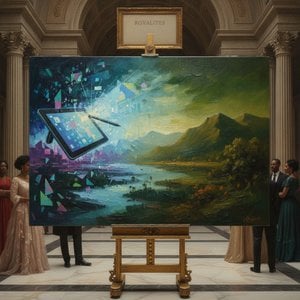
Prodaj svoje digitalno delo kot umetniško kopijo – ročno slikane oljne reprodukcije z garantiranim dobičkom
Prodajte svoje digitalno umetniško delo z ArtsDot – strokovno ročno slikane oljne reprodukcije, ki zagotavljajo visoko vrednost in popoln zaupanja. Uživajte v ekskluzivnem pristopu, transparentnosti in garanciji zadovoljstva.

The Enduring Legacy of Oil on Canvas: Technique, History & Aesthetic Impact
Explore the rich history & techniques of oil painting – from Renaissance masters to Impressionism. Discover pigments, layering methods, and why this timeless medium endures. Expert insights for artists & art enthusiasts.

Trajnost platna v umetnosti: Tehnike, zgodovina in sodobne metode ohranjanja
Odkrijte zgodovino platna, tehnike ohranjanja in najnovejše metode konzerviranja slik. Izvedite več o vplivu oljne barve na trajnost umetniških del ter nasvetih strokovnjakov za dolgotrajno lepoto vaših dragocenosti.

Oil on Canvas: A Historical & Technical Exploration of a Timeless Artistic Medium
Explore the rich history & enduring techniques of oil painting on canvas. Discover the science behind its longevity, conservation practices, and contemporary relevance. Expert insights for art enthusiasts.