


 Preverite v realnem okolju
 Pošlji kot čestitko
 Deli
Deli
 Podrobnosti
 Navodila

 Prenesi
 Podobni artefakti
 Rentgenski posnetek
 Predvajaj diaporama
 Statistika
Maurice Zam
 Akril na platnu
- Stenska umetnost
- Expressionist Portraiture
 1935
1935 21.0 x 28.0 cm
 Arnold Schönberg Center
 Preberi več
Ročno izdelana oljna reprodukcija
Ročno slikano olje na platnu v vaši izbiri velikosti in okvirja, izdelano po naročilu naših umetnikov. ( Preklop na tiskanine Preklop na digitalno sliko)




P118B $10

P118H $10

P118W $10

P438Z $10

P508JH $12

P508YH $12

P805H $10

P805Z $10

P919BZ $10

P919G $10

P919XJ $10

P959ZH $10

P968JZ $12

W106C $8

W218G $10

W218JH $8

W218Y $10

W307PJ $10

W316G $10

W316PJ $8

W316Y $10

W398PJ $8

W4111J $10

W500HY $15

W500JH $15

W692G $12

W849H $8

W940BG $15

W953PJ $8




Izberite eno od naših vnaprej določenih velikosti, ki ustrezajo prvotnim proporcijam umetničkega dela.

Svoje dimenzije lahko vnesete tako, da se prilagodite določenemu okvirju ali prostoru. Če izbrana velikost ne ustreza razmerjem originalne slike, bomo umetniško delo obrezali ali sliko dopolnili z dodatnimi ročno naslikanimi elementi. Pred začetkom proizvodnje vam bo poslan digitalni osnutek v odobritev.
Upoštevajte, da predogled na zaslonu ne odraža dejanskega obrezovanja ali podaljšanja. Le osnutek bo natančno prikazal končno kompozicijo.
Čeprav so na voljo velikosti po meri, priporočamo izbiro dimenzije s preddefiniranega seznama, da ohranimo originalne razmere.
Po oddaji naročila bo ekipa ArtsDot.com stranki po e-pošti poslala navodila in predogled digitalnega predogleda.
Mednarodna dostava () v 3/4 tednih namesto običajnih 5 tednov. (22 september). Brez kompromisov pri kakovosti.

Brezplačna ekspresna dostava po vsem svetu

Visokokakovostno laneno platno

Popolno zavarovanje pošiljke

Garancija povračila carine in uvoznih davkov

Garancija popolnega barvnega ujemanja

Politika vračila v 100 dneh (le v primeru okvar)

Garancija 100% povračila denarja

Popust pri večjem naročilu
 Možnost stekla je na voljo le za velikosti pod 110 cm

Maurice Zam
Tehnika reprodukcije
Velikost reprodukcije
-


Skupna cena
$ 263
Maurice Zam – Ein Blick auf Arnold Schönbergs Kunst
Die Darstellung eines Mannes im Schwarzweiß zeichnet sich durch eine prägnante Komposition aus und konzentriert sich vollständig auf das zentrale Motiv. Eine einfache, aber effektive Gestaltung betont die Figur und lässt den Hintergrund verschwimmen, wodurch ein Fokus auf ihre individuelle Erscheinung entsteht. Die Verwendung von ausschließlich Grautönen schafft eine Atmosphäre der Kontemplation und verstärkt die Ausdruckskraft des Bildes. Ein leicht geschrägter Kopf verleiht der Darstellung Dynamik und Lebendigkeit, während die Körperhaltung eine gewisse Ruhe und Selbstbewusstsein vermittelt. Die Zeichnung ist ein Meisterwerk der Karikaturkunst und spiegelt Arnold Schönbergs einzigartige künstlerische Vision wider. Er hat sich intensiv mit menschlichen Figuren auseinandergesetzt und ihre Persönlichkeit auf subtile Weise eingefangen. Die Verwendung von Schraffuren und Linienführung verleiht dem Werk eine besondere Textur und Tiefe, die über die reine Darstellung hinausgeht. Eine geschickte Anwendung von Licht und Schatten betont bestimmte Gesichtszüge und verleiht der Figur einen Ausdrucksstärke und Wärme. Die Technik ist außergewöhnlich sauber und präzise ausgeführt und zeigt ein tiefes Verständnis für künstlerische Prinzipien. Ein besonderer Fokus liegt auf einer ausgewogenen Linienführung, die sowohl Struktur als auch Bewegung einfängt. Die Verwendung von verschiedenen Linienstärken verstärkt den Eindruck von Volumen und verleiht der Zeichnung eine besondere Dynamik. Eine leichte Schraffurtechnik sorgt für eine natürliche Textur und betont die Konturen des Figurenbildes. Der Künstler Arnold Schönberg wurde 1874 geboren und entwickelte sich zu einem bedeutenden Vertreter der Musikgeschichte des frühen 20. Jahrhunderts. Seine Musik zeichnet sich durch einen innovativen Ansatz zur Harmonielehre und insbesondere durch die Entwicklung der sogenannten Zwölftontechnik aus, die eine Revolution in der klassischen Musik darstellt. Schönberg gilt als einer der wichtigsten Wegbereiter des modernen Musikverständnisses und beeinflusste zahlreiche Komponisten weltweit. Er gründete das Wiener Arnold Schoenberg Zentrum und setzte sich für die Förderung von Musikforschung und künstlerischer Bildung ein. Seine Werke werden bis heute intensiv studiert und gefeiert und tragen maßgeblich zur Entwicklung der internationalen Musikszene bei. Die Zeichnung "Kreide auf Schreibpapier" wurde 1935 erstellt und ist ein beeindruckendes Beispiel für Schönbergs künstlerische Fähigkeiten und sein außergewöhnliches Gespür für menschliche Darstellung. Sie wird im Wiener Arnold Schoenberg Zentrum aufbewahrt und stellt eine wertvolle Ergänzung zur Sammlung bedeutender Kunstwerke dar. Eine hochwertige Reproduktion dieser Zeichnung ermöglicht es einem breiten Publikum, die Schönheit und Tiefe von Schönbergs Kunst zu erleben und sich von seinem einzigartigen künstlerischen Stil inspirieren zu lassen.Sorodna umetniška dela


Biografija umetnika
zgodno mladost in glasbeni začetki
arnold schoenberg, avstrijsko-ameriški skladatelj, se je rodil 13. septembra 1874 v Dunaju na Avstriji. Njegovo zgodnje življenje je zaznamoval skromen začetek, saj je bil njegov oče trgovec s čevlji. Kljub temu je Schoenbergova vroča strast do glasbe vodila k temu, da se je na področju glasbe v veliki meri izobrazil sam.glasbna evolucija in pomembna dela
Schoenbergova zgodnja dela, kot je verklärte nacht (1899), so prikazovala sintezo Brahmsa in Wagnerja. Z napredovanjem je postal osrednja figura druge vienske šole, skupaj z antonom webernom in albanom bergom. Njegove kompozicije, vključno s kvartetom za strune št. 2 (1907–1908), erwartung (1909) in pierrot lunaire (1912), so prikazale njegov inovativni pristop k atonalnosti.podajanje, emigracija in poznejše življenje
Schoenberg je leta 1933 zaradi vzpona nazistov odstopil iz Pruske akademije umetnosti, saj je njihova vlast označila njegovo glasbo za "dekadentno". Nato je poučeval v ZDA, med drugim na Univerzi Kalifornije v Los Angelesu (1936–1944), kjer so nekateri objekti po njegovi časti poimenovani po njem. [https://ArtsDot.com/@/arnolog-schoenberg](odkryjte več o Schoenbergovem življenju in delih na ArtsDot).- Schoenberg je raziskoval filmsko glasbo in pisal bolj tonalno glasbo, s čemer je leta 1939 dokončal komponirano simfonijo št. 2.
- V delu ode to napoleon (1942), navdihnjenem Byronom, je satirično prikazal fašistične tirane.
- Povojni Dunaj mu je podelil častno državljanstvo, vendar je bil bolan, kar je odraženo v njegovem strunnem triu (1946).
dediščina in vpliv
Ko se je svet soočil z grozotami holokausta, je Schoenberg spomnil na njegove žrtve v delu a survivor from warsaw (1947). Izraelni konzervatorij in akademija za glasbo ga je leta 1951 izvolila za častnega predsednika. [https://ArtsDot.com/@@/a@d3bqc7-the-museum-destroyed-by-fire-(united-states)](izvedite več o vplivu njegovega dela na ArtsDot). Ključne točke: Schoenbergova inovativna glasba je bila med najbolj vplivnimi in polémicnimi v klasični glasbi 20. stoletja. Vsaj trije generacije skladateljev so nadgradile njene formalne principe. Njegovi estetski in glasbeno-zgodovinski pogledi so vplivali na muzikologe, kot sta Theodor W. Adorno in Carl Dahlhaus. [https://ArtsDot.com/@@/a@d3cl2x--a-journey-through-art-history-with-ArtsDot-s-extensive-collection-](raziskujte obsežno zbirko umetnosti na ArtsDot, ki sega od 12. do 20. stoletja).
Arnold Schoenberg
1874 - 1951 , Avstrija
Ključne informacije
- Artistic Movement Or Style: Dvanajsttonska tehnika; Ekspresionizem
- Artists Or Movements Influenced By This Artist:
- Anton Webern
- Alban Berg
- Artists Who Influenced This Artist:
- Johannes Brahms
- Richard Wagner
- Date Of Birth: 13. september 1874
- Date Of Death: 1951
- Full Name: Arnold Schoenberg
- Nationality: Avstrijsko-ameriški
- Notable Artworks:
- Suite, op. 29
- Music Typewriter
- Staffliner
- Place Of Birth: Dunaj, Avstrija
Sorodni članki

Lamp Black & Masterpieces: 10 Paintings That Define Shadow & Light |
Delve into the captivating world of 'Lamp Black' tones with 10 iconic paintings by masters like Rembrandt & Caravaggio. Explore Baroque chiaroscuro, dramatic lighting & shadow in art history. Find museum-quality reproductions at

Ivory Black Masters: 10 Paintings That Define Dramatic Art |
Delve into the power of 'Ivory Black' with 10 iconic paintings by masters like Rembrandt & Caravaggio. Explore dramatic chiaroscuro, gothic moods & timeless art history. Find museum-quality reproductions and elevate your home decor at

Dark Masterpieces: 10 Iconic Paintings Dominated by Black Tones |
Explore 10 iconic paintings dominated by black tones, from Rembrandt’s chiaroscuro to Goya's dark expressions. Discover the stories behind these masterpieces & find museum-quality art reproductions for your home at .

The Nuances of Graphite: Exploring Emotional Depth & Technical Mastery in Pencil Drawing
Explore the captivating world of graphite drawing! Discover its rich history, master essential techniques like chiaroscuro, and learn how artists evoke emotion through this timeless medium. Expert insights for art enthusiasts.
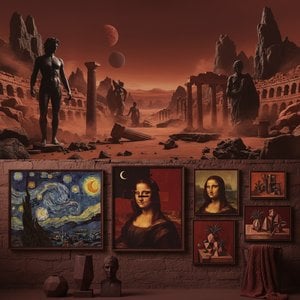
Mars Black Masterpieces: 10 Iconic Paintings & Timeless Art Decor Ideas
Delve into the power of 'Mars Black' with 10 iconic paintings by masters like Rembrandt & Caravaggio. Explore dramatic chiaroscuro, gothic art, and timeless beauty. Find museum-quality reproductions & elevate your home decor on .


