


 Predogled
 Pošlji
 Deli
Deli
 Podrobnosti o delu

 Prenesi
 Podobni izdelki
 Rentgenski posnetek
 Predvajaj diaporama
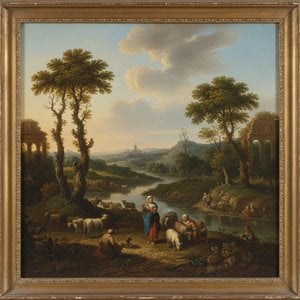
A Mountainous Landscape


 Razviljaj več
Giclée tisk / Umetniški tisk
Giclée ali platnati odtis muzejske kakovosti z hitro proizvodnjo in prilagodljivimi možnostmi končne obdelave. ( Kupi ročno naslikano sliko Kupi digitalno sliko)




































Izberite eno od naših vnaprej določenih velikosti, ki ustrezajo prvotnim proporcijam umetničkega dela.

Svoje dimenzije lahko vnesete sami, da bodo ustrezne za določen okvir ali prostor. Če izbrana velikost ne bo skladna z razmerji izvirne slike, bomo umetniško delo orezali ali podaljšali s pomočjo ogledalnega odraza ali barvno polnega roba. Pred začetkom proizvodnje vam bomo poslali digitalni predogled za potrditev.
Upoštevajte, da predogled na zaslonu ne prikazuje dejanskega orezovanja ali podaljševanja. Le digitalni predogled bo natančno prikazal končno kompozicijo.
Čeprav so na voljo prilagojene velikosti, priporočamo izbiro dimenzije s predhodno določenega seznama, da ohranite prvotna razmerja.
Globalna dostava () v 2 tednih namesto standardnih 4/5 tednov. (2 september)

Brezplačna ekspresna dostava po vsem svetu

Visokokakovostno laneno platno

Popolno zavarovanje pošiljke

Garancija povračila carine in uvoznih davkov

Garancija popolnega ujemanja barv

60-dnevna politika vračanja (le v primeru napak)

Garancija 100% povračila denarja

Popust pri večjem naročilu
 Možnost stekla je na voljo le za velikosti pod 110 cm

A Mountainous Landscape
Giclée tisk / Umetniški tisk
Velikost reprodukcije
-


Skupna končna cena
$ 62
Sorodna umetniška dela


Biografija umetnika
A Visionary of the Dutch Golden Age
In the vibrant, bustling heart of Amsterdam during the mid-17th century, a period defined by unparalleled artistic flourishing, Roelant Roghman emerged as a distinctive voice in the landscape tradition. Born in 1627 to the engraver Henrick Lambertsz Roghman and Maria Jacobs Savery, his very lineage was steeped in the technical mastery of the Dutch Golden Age. While history often reserves its brightest spotlights for titans like Rembrandt, Roghman carved out a specialized niche that captured the atmospheric soul of the Netherlands through a unique lens. His life and work were characterized by a profound sensitivity to the textures of nature, a skill likely honed under the watchful eye of his great-uncle, the renowned engraver Roelant Savery, who served as both his namesake and mentor.
There is a poignant, almost mythic quality to the biographical accounts of Roghman’s life. The historian Arnold Houbraken famously noted that the artist possessed only one eye, a physical trait that may have profoundly shaped his aesthetic perception. Rather than pursuing the clinical precision of photographic realism, Roghman embraced a more evocative approach, focusing on the interplay of light, shadow, and atmosphere. This preference for texture over rigid detail allowed him to create landscapes that felt alive with movement and mood, often employing a "rough and ready" technique that lent his canvases an organic, breathing quality.
The Art of Collaboration and Printmaking
Roghman’s career was not merely a solitary pursuit but one deeply intertwined with the familial and professional networks of Amsterdam. He was a master of collaboration, most notably working alongside his sister, Magdalena Savery, on ambitious printmaking endeavors. Together, they embarked on monumental projects that would leave a lasting mark on the Dutch printmaking tradition. Their partnership resulted in an extraordinary series of over 200 landscape prints, meticulously documenting the majestic castles and sprawling estates of North Holland and Utrecht. These works were celebrated for their architectural precision and their ability to transport the viewer to the serene, often romanticized, rural landscapes of their homeland.
Beyond his work with Magdalena, Roghman’s artistic output was enriched by his role as a sketcher and engraver. His early travels provided him with a wealth of visual material, which he later transformed into historical prints of ancient castle ruins and defunct family estates. This fascination with the passage of time and the remnants of history infused his work with a sense of nostalgia and melancholy. Through his etchings, Roghman did more than just record geography; he captured the ephemeral beauty of a changing landscape, preserving the architectural grandeur of a bygone era for future generations.
Legacy and Artistic Influence
The stylistic DNA of Roelant Roghman was deeply connected to the most influential movements of his time. He moved within the inner circles of Amsterdam’s artistic elite, sharing professional bonds with figures such as Gerbrant van den Eekhout. Most significantly, he was a follower of Rembrandt, and one can observe traces of the master's dramatic chiaroscuro technique within Roghman’s own compositions. By utilizing deep shadows and piercing highlights, he was able to imbue his landscapes with a sense of theatrical depth and emotional resonance.
Roghman’s influence extended far beyond his own brushstrokes, as he played a vital role in the education of the next generation of Dutch masters. As a teacher, he passed on his technical expertise and his unique way of seeing to artists such as Jan Griffier and Pieter Wouwerman, ensuring that his emphasis on atmospheric realism would persist in the lineage of Dutch landscape painting. Today, Roghman is remembered not just as a skilled craftsman, but as a visionary who could translate the quiet majesty of the natural world into enduring works of art, leaving behind a legacy of beauty, history, and profound observation.

roelant roghman
1627 - 1692
Hitri podatki
- Artistic Movement Or Style: Dutch Golden Age
- Artists Or Movements Influenced By This Artist: ['Landscape Painting']
- Artists Who Influenced This Artist:
- Rembrandt
- Hercules Seghers
- Date Of Death: 1692
- Full Name: Roelant Roghman
- Nationality: Dutch
- Notable Artworks:
- Forest landscape with a woodsman’s shed
- Valley With Travellers
- A mountainous landscape
- Place Of Birth: Amsterdam, Netherlands
Sorodni članki

10 Mojstrovin Nizozemske Zlate dobe: Umjetnost, ki je definirala svojo dobo
Odkrijte 10 mojstrovin Nizozemske zlate dobe! Rembrandt, Vermeer & več – spoznajte zgodbe za temi ikoničnih umetnin. Inspirirajte se za notranji dizajn in poiščite reprodukcije na ArtsDot.com!

Golden Light & Dutch Skies: Bringing the Magic of Dutch Golden Age Landscapes into Your Home
Transform your home with the breathtaking light of Dutch Golden Age landscapes. Discover how hand-painted oil reproductions of masterworks like Ruisdael and Vermeer bring timeless elegance, atmosphere, and soulful texture to modern interiors. Elevate your space with museum-quality art.
Nicolaes Berchem: Dutch Golden Age Pastoralism & the Evolution of Landscape Painting
Explore the captivating world of Nicolaes Berchem, a leading Dutch Golden Age painter. Discover his idyllic landscapes, masterful technique & lasting influence on art history. Learn more at ArtsDot.

Charles Leickert: Capturing the Dutch Golden Age Light – A Comprehensive Study of Technique, Context, and Legacy
Explore the captivating winter landscapes of Charles Leickert, a master of Dutch Golden Age light & atmosphere. Discover his techniques, symbolism, and lasting legacy – a comprehensive study for art enthusiasts and collectors.

Golden Age Reflections: Dutch Baroque Painting & Cultural Innovation
Explore the Dutch Golden Age of painting! Discover key artists like Vermeer & ter Borch, their innovative techniques, and the rich cultural context behind these Baroque masterpieces. Learn about collecting & appreciating this iconic art period.

