
- Domov

- Digitalna slika
- robert shipboy macadam
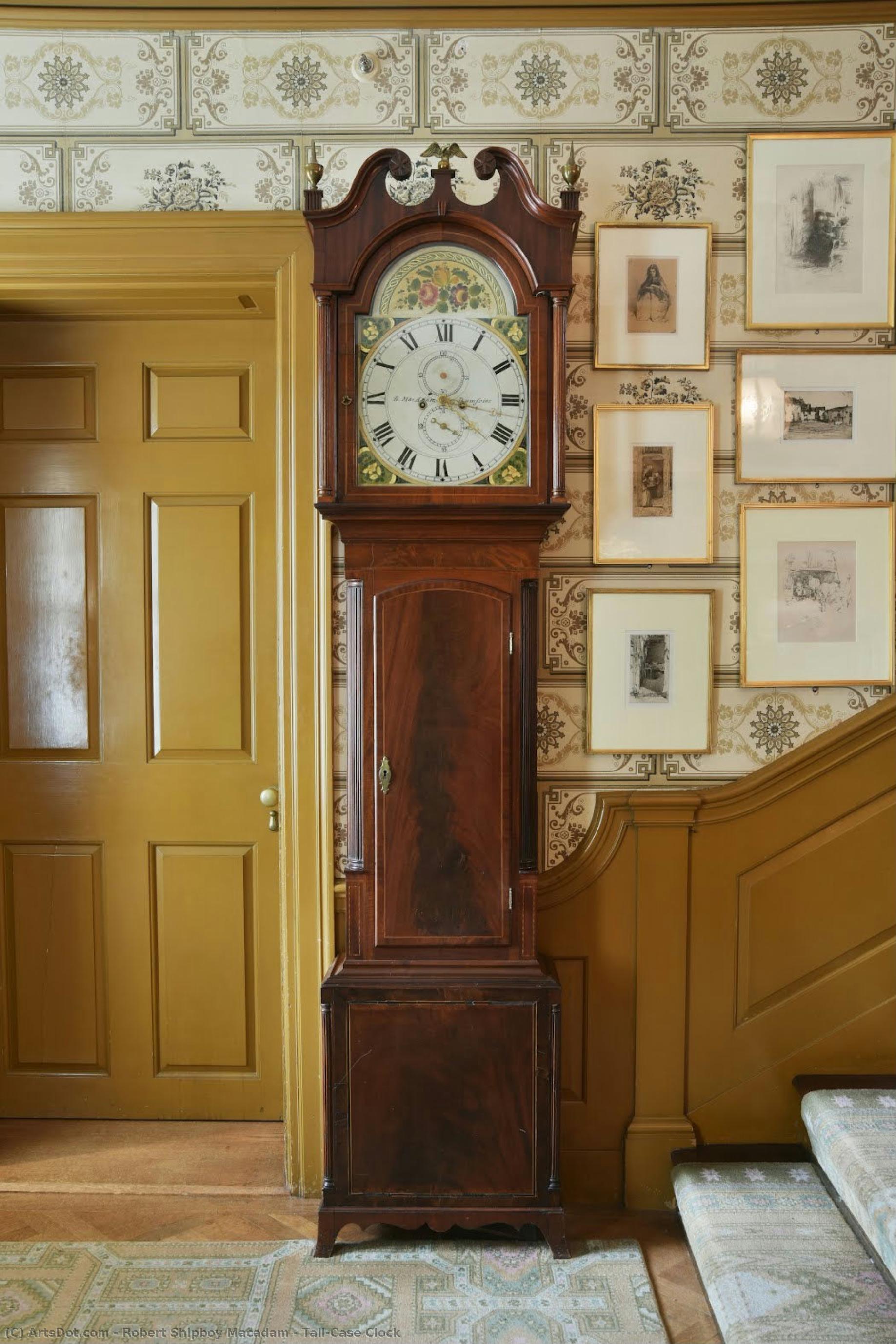
- Tall-Case Clock
 Kupi tiskanino Naročite reprodukcijo
 Pošlji
 Deli
Deli
 Podrobnosti o delu
 Dodaj v priljubljene

 Prenesi
 Podobni izdelki
 Rentgenski posnetek
 Predvajaj diaporama
Tall-Case Clock


 Razviljaj več
Kupite digitalno sliko visoke ločljivosti z izboljšano kakovostjo, ki je precej boljša od spletnega predogleda.
Vsaka datoteka je pod natančnim nadzorom naših strokovnjakov, ki uporabljajo napredna orodja in strokovno ročno obdelavo. Zagotovimo, da ima vsaka slika izjemno jasnost, natančnost barv in fine podrobnosti.
Končna datoteka je po e-pošti dostavljena v 72 urah, optimizirana za takojšnjo uporabo v profesionalnem, uredniškem in tiskarskem okolju. To je kakovost, ki ji zaupajo vrhunska oblikovalna studia, založniki in galerije.
Digitalna slika
Prenesite datoteko visoke ločljivosti za osebno uporabo, tiskanje in kreativne projekte.
Vključeno v vsako naročilo digitalne slike
Zagotovljena strokovna digitalna dostava
Ko izberete ArtsDot.com, ne prejmete le slike – prejmete digitalno umetniško delo, ki je profesionalno urejeno, izdelano z natančnostostjo in zavestno zagotovljeno z garancijo za zadovoljstvo. Tukaj je vse, kar samodejno prejmete z vašim naročilom:

Hitra dostava prek e-pošte
Vaša digitalna slika visoke ločljivosti bo na vaš e-naslov poslana v roku 72 ur od zaklopa naročila – pripravljena za takojšnjo uporabo.

Digitalna datoteka z umetno inteligenco
Vaše umetniško delo je strokovno optimizirano z uporabo naprednih orodij umetne inteligence in ročne obdelave, kar zagotavlja največjo stopnjo podrobnosti, jasnosti in barvne natančnosti.

Brezplačna ponovna dostava za vse življenje
Ste zaradi nespremietne napake izgubili ali izbrisali svojo datoteko? Ni težav – vam jo bomo ponovno poslali kadar koli in brezplačno.

Brez uvoznih pristojbin – vedno
Uživajte v svojem umetniškem delu takoj, brez carin, davkov ali stroškov dostave – digitalni prenosi so vedno brezdavčni.

Zagotovilo natančnosti barv
Z uporabo profesionalnih orodij in upravljanja barv zagotavljamo, da vaša digitalna slika čim bolj natančno odraža prvotne barve.

60-dnevna garancija zadovoljstva
Če niste zadovoljni s svojo digitalno sliko, jo bomo uredili ali vam v 60 dneh povrnili 100% denarja – brez kakršnih koli vprašanj.

100% Garancija povračila denarja
Niste zadovoljni? Zagovрите popoln povračilo sredstev v 60 dneh po prejemu digitalne datoteke – brez kakršnih koli vprašanj.

Popusti pri večjem številu naročil
Kupite 3 slike, prihranite 10% - Kupite 5 slik, prihranite 15% - Kupite 10+ slik, prihranite 20%. Odlično za kreativne projekte, galerije in agencije.
Opis digitalnega artefakta
Biografija umetnika
Francisco Goya: A Revolutionary Voice of His Time
Francisco José de Goya y Lucientes, born in 1746 in Fuendetodos, Spain, was more than just a painter; he was a chronicler of his era, a visionary who captured the tumultuous spirit of Europe with unflinching honesty and profound emotional depth. His life spanned nearly six decades, witnessing revolutions, wars, and social upheavals that profoundly shaped his artistic vision. From the opulent court paintings of his early career to the haunting “Black Paintings” of his later years, Goya’s work remains a testament to the power of art to reflect and challenge the world around it. He stands as a pivotal figure, bridging the gap between the Old Masters and the emerging modern aesthetic, profoundly influencing generations of artists who followed.Early Years and Artistic Training
Goya’s artistic journey began with formal training in Zaragoza under José Luzán y Martínez, a local artist influenced by Neoclassical styles prevalent at the time. Recognizing his exceptional talent, Goya later traveled to Italy, immersing himself in the works of Venetian masters like Titian and Veronese – artists known for their dramatic use of light, vibrant colors, and emotional intensity. This exposure proved transformative, laying the groundwork for Goya’s distinctive style. He returned to Spain and served as a court painter under King Charles IV and his son Ferdinand VII, producing portraits that showcased the grandeur of the Spanish monarchy. However, even within these commissioned works, subtle critiques began to emerge, hinting at the artist's growing disillusionment with the political climate.The Disasters of War and Social Commentary
A turning point in Goya’s career arrived during the Peninsular War (1808-1814), a brutal conflict between Spain and Napoleonic France. Witnessing firsthand the horrors of war, Goya abandoned his previous sympathies for the French and embarked on a series of powerful etchings known as *Los Desastres de la Guerra* ("The Disasters of War"). These prints – depicting scenes of carnage, suffering, and despair – are considered among the most harrowing depictions of warfare in art history. They moved beyond romanticized notions of heroism to expose the brutal realities of conflict, capturing the anguish of both soldiers and civilians. The series demonstrated a radical shift in artistic perspective, prioritizing emotional impact over idealized representation.The Rise of Romanticism and Personal Visions
Following the war, Goya’s art began to reflect the burgeoning Romantic movement, characterized by an emphasis on emotion, imagination, and individualism. His *Caprichos* (1799-1814) are a collection of fantastical and satirical images that explore themes of human folly, superstition, and social injustice. These prints reveal a darker side of Spanish society, populated by grotesque figures and unsettling scenes. Simultaneously, Goya began to paint more privately, creating a series of portraits of himself and his family – works that offer intimate glimpses into the artist’s life and evolving psychological state. The *Flashen* (1800-1802), depicting young women in various states of undress, are particularly intriguing, prompting speculation about their meaning and Goya's personal motivations.The Darkest Period: The “Black Paintings”
In his later years, as he suffered from increasing deafness and deteriorating health, Goya retreated to his estate in La Quinta del Sordo (“The Blind Man’s House”). There, he created a series of fourteen large canvases known collectively as the *Pinturas Negras* ("Black Paintings"). These intensely dark and emotionally charged works are considered among the most profound and unsettling in his oeuvre. They depict scenes of violence, madness, despair, and demonic figures – reflections of Goya’s own anxieties and disillusionment with humanity. The *Saturn*, for example, is a terrifying image of an aging god devouring his children, symbolizing the destructive forces of time and fate. Despite their bleakness, these paintings represent a culmination of Goya's artistic vision, offering a brutally honest portrayal of the human condition. Goya’s legacy endures as one of the most important figures in Western art history. His innovative techniques, powerful imagery, and unflinching social commentary continue to resonate with audiences today. He remains an artist who dared to confront difficult truths, challenging conventional notions of beauty and heroism while offering a profound meditation on the complexities of human existence. His work serves as a potent reminder of the enduring power of art to both reflect and shape our understanding of the world.
robert shipboy macadam
1808 - 1895 , United Kingdom
Ključne informacije
- Artistic Movement Or Style: Romanticism, Neoclassicism
- Artists Or Movements Influenced By This Artist:
- Picasso
- Dalí
- Expressionists
- Artists Who Influenced This Artist:
- Tiepolo
- Mengs
- Velázquez
- Date Of Birth: March 30, 1746
- Date Of Death: April 16, 1828
- Full Name: Francisco Goya y Lucientes
- Nationality: Spanish
- Notable Artworks:
- The Third of May, 1808
- Saturn Devouring His Son
- The Naked Maja
- Place Of Birth: Fuendetodos, Spain

