


 Predogled
 Pošlji
 Deli
Deli
 Podrobnosti o delu

 Prenesi
 Podobni izdelki
 Rentgenski posnetek
 Predvajaj diaporama
 Stats
StatsRauchbild

 Razviljaj več
Kupite digitalno sliko visoke ločljivosti z izboljšano kakovostjo, ki je precej boljša od spletnega predogleda.
Vsaka datoteka je pod natančnim nadzorom naših strokovnjakov, ki uporabljajo napredna orodja in strokovno ročno obdelavo. Zagotovimo, da ima vsaka slika izjemno jasnost, natančnost barv in fine podrobnosti.
Končna datoteka je po e-pošti dostavljena v 72 urah, optimizirana za takojšnjo uporabo v profesionalnem, uredniškem in tiskarskem okolju. To je kakovost, ki ji zaupajo vrhunska oblikovalna studia, založniki in galerije.
Digitalna slika
Prenesite datoteko visoke ločljivosti za osebno uporabo, tiskanje in kreativne projekte. ( Switch to Print Kupi ročno naslikano sliko)
Vključeno v vsako naročilo digitalne slike
Zagotovljena strokovna digitalna dostava
Ko izberete ArtsDot.com, ne prejmete le slike – prejmete digitalno umetniško delo, ki je profesionalno urejeno, izdelano z natančnostostjo in zavestno zagotovljeno z garancijo za zadovoljstvo. Tukaj je vse, kar samodejno prejmete z vašim naročilom:

Hitra dostava prek e-pošte
Vaša digitalna slika visoke ločljivosti bo na vaš e-naslov poslana v roku 72 ur od zaklopa naročila – pripravljena za takojšnjo uporabo.

Digitalna datoteka z umetno inteligenco
Vaše umetniško delo je strokovno optimizirano z uporabo naprednih orodij umetne inteligence in ročne obdelave, kar zagotavlja največjo stopnjo podrobnosti, jasnosti in barvne natančnosti.

Brezplačna ponovna dostava za vse življenje
Ste zaradi nespremietne napake izgubili ali izbrisali svojo datoteko? Ni težav – vam jo bomo ponovno poslali kadar koli in brezplačno.

Brez uvoznih pristojbin – vedno
Uživajte v svojem umetniškem delu takoj, brez carin, davkov ali stroškov dostave – digitalni prenosi so vedno brezdavčni.

Zagotovilo natančnosti barv
Z uporabo profesionalnih orodij in upravljanja barv zagotavljamo, da vaša digitalna slika čim bolj natančno odraža prvotne barve.

100-dnevna garancija zadovoljstva
Če niste zadovoljni s svojo digitalno sliko, jo bomo uredili ali povrnili 100% zate v 100 dneh – brez kakršnih koli vprašanj.

100% Garancija povračila denarja
Niste zadovoljni? Zagotavljamo vam popoln povračilo sredstev v 100 dneh po prejemu digitalne datoteke – brez dodatnih vprašanj.

Popusti pri večjem številu naročil
Kupite 3 slike, prihranite 10% - Kupite 5 slik, prihranite 15% - Kupite 10+ slik, prihranite 20%. Odlično za kreativne projekte, galerije in agencije.
Sorodna umetniška dela


Biografija umetnika
A Life Illuminated: The Visionary World of Otto Piene
Otto Piene, born in Bad Laasphe, Germany, in 1928 and passing away in Berlin in 2014, was more than just an artist; he was a pioneer who relentlessly blurred the boundaries between painting, sculpture, performance, and technology. His life story is inextricably linked to the aftermath of World War II, a period that profoundly shaped his artistic philosophy. Witnessing the devastation firsthand as a young man—drafted into service as an anti-aircraft gunner—Piene sought to dismantle traditional artistic conventions and forge a new visual language rooted in objectivity, chance, and the elemental forces of nature. This quest led him to Munich and Düsseldorf for formal training, where he studied painting and art education alongside philosophy at the University of Cologne, laying the intellectual groundwork for his groundbreaking explorations.The Genesis of Zero and Early Explorations
Piene’s artistic trajectory took a pivotal turn with the co-founding of Group Zero in 1957, alongside Heinz Mack. This collective wasn't merely an aesthetic movement; it was a declaration—a rejection of the past and a commitment to rebuilding art from its foundations. The artists of Zero sought to strip away subjective expression, embracing seriality, mechanical processes, and the inherent beauty of materials themselves. Early works like the “Raster Pictures” (rasterbild) exemplify this approach. These weren’t paintings in the traditional sense but meticulously crafted grids created using half-tone screens, stenciled with single colors—often yellow, silver, white, or gold—onto canvas. They were investigations into pattern, energy, and the very nature of perception. These initial explorations quickly expanded beyond static surfaces. Piene began to animate his grids, projecting light through them in what he termed “Lichtballette” (“Light Ballet”), transforming space itself into a dynamic medium. Simultaneously, he embarked on the creation of "Rauchbilder" ("Smoke Pictures"), an alchemical process where fire and pigment converged. By burning solvents on paper, Piene coaxed forth organic forms from the resulting soot, harnessing the unpredictable beauty of natural energies—a direct response to his wartime experiences with light and destruction.Expanding Horizons: Sky Art and Technological Innovation
By the late 1960s, Piene’s ambition had grown exponentially. He coined the term “sky art” to describe large-scale installations that utilized landscapes and cities as canvases. This wasn't about imposing art *onto* the environment but rather collaborating with it, revealing its hidden potential. The most iconic example of this vision is undoubtedly the "Olympic Rainbow" created for the closing ceremony of the 1972 Summer Olympics in Munich—five helium-filled tubes, each an astounding 600 meters long, stretching across the sky as a symbol of peace and unity. Piene’s fascination with technology extended to television, where he collaborated with Aldo Tambellini on “Black Gate Cologne” (1968), considered one of the first experimental art programs broadcast on television. This pioneering spirit led him to MIT's Center for Advanced Visual Studies (CAVS) in 1968, where he served as a fellow, professor, and eventually director until 1993. At CAVS, Piene fostered an environment of interdisciplinary collaboration between artists, scientists, and engineers, exemplified by projects like the "Centerbeam Project"—a kinetic sculpture performance featuring laser projections, steam screens, holograms, and water prisms—first exhibited in Kassel and later on the National Mall in Washington D.C.. Even his design work for Timo Sarpaneva’s Suomi tableware for Rosenthal porcelain demonstrates a commitment to integrating art into everyday life.A Lasting Legacy: Kinetic Art and Beyond
Otto Piene's influence resonates deeply within the history of contemporary art. He was a true pioneer of kinetic and technology-based art, demonstrating how these mediums could be used not merely for spectacle but for profound artistic expression. His exploration of light as a primary medium paved the way for generations of artists working with illumination, projection, and spatial dynamics. As a founding member of Group Zero, he played a crucial role in reshaping post-war European art, advocating for objectivity, seriality, and a rejection of traditional conventions. His work challenged viewers to reconsider their relationship with art and the world around them. Piene’s international acclaim—particularly in Japan, America, and Europe—solidified his position as a leading figure in contemporary art. The founding of The International Zero Foundation in 2008 further cemented his commitment to preserving the legacy of Group Zero and its enduring impact on artistic thought. Otto Piene didn’t just create art; he created experiences—immersive, transformative encounters that continue to inspire and provoke.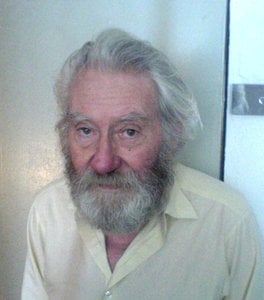
Otto Piene
1928 - 2014 , Poland
Ključne informacije
- Artistic Movement Or Style: Kinetic art, ZERO group
- Artists Or Movements Influenced By This Artist:
- Light art
- Kinetic artists
- Artists Who Influenced This Artist:
- László Moholy-Nagy
- Fernand Léger
- Date Of Birth: April 18, 1928
- Date Of Death: July 17, 2014
- Full Name: Otto Piene
- Nationality: German-American
- Notable Artworks:
- Rauchbild
- Olympic Rainbow
- Manned Helium Sculpture
- Place Of Birth: Bad Laasphe, Germany