


 Predogled
 Pošlji
 Deli
Deli
 Podrobnosti o delu

 Prenesi
 Podobni izdelki
 Rentgenski posnetek
 Predvajaj diaporama
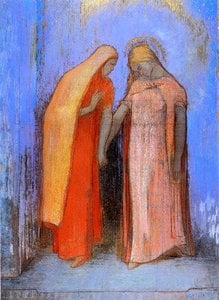
Initiation to Study


 Razviljaj več
Kupite digitalno sliko visoke ločljivosti z izboljšano kakovostjo, ki je precej boljša od spletnega predogleda.
Vsaka datoteka je pod natančnim nadzorom naših strokovnjakov, ki uporabljajo napredna orodja in strokovno ročno obdelavo. Zagotovimo, da ima vsaka slika izjemno jasnost, natančnost barv in fine podrobnosti.
Končna datoteka je po e-pošti dostavljena v 72 urah, optimizirana za takojšnjo uporabo v profesionalnem, uredniškem in tiskarskem okolju. To je kakovost, ki ji zaupajo vrhunska oblikovalna studia, založniki in galerije.
Digitalna slika
Prenesite datoteko visoke ločljivosti za osebno uporabo, tiskanje in kreativne projekte. ( Kupi tisk Kupi ročno naslikano sliko)
Vključeno v vsako naročilo digitalne slike
Zagotovljena strokovna digitalna dostava
Ko izberete ArtsDot.com, ne prejmete le slike – prejmete digitalno umetniško delo, ki je profesionalno urejeno, izdelano z natančnostostjo in zavestno zagotovljeno z garancijo za zadovoljstvo. Tukaj je vse, kar samodejno prejmete z vašim naročilom:

Hitra dostava prek e-pošte
Vaša digitalna slika visoke ločljivosti bo na vaš e-naslov poslana v roku 72 ur od zaklopa naročila – pripravljena za takojšnjo uporabo.

Digitalna datoteka z umetno inteligenco
Vaše umetniško delo je strokovno optimizirano z uporabo naprednih orodij umetne inteligence in ročne obdelave, kar zagotavlja največjo stopnjo podrobnosti, jasnosti in barvne natančnosti.

Brezplačna ponovna dostava za vse življenje
Ste zaradi nespremietne napake izgubili ali izbrisali svojo datoteko? Ni težav – vam jo bomo ponovno poslali kadar koli in brezplačno.

Brez uvoznih pristojbin – vedno
Uživajte v svojem umetniškem delu takoj, brez carin, davkov ali stroškov dostave – digitalni prenosi so vedno brezdavčni.

Zagotovilo natančnosti barv
Z uporabo profesionalnih orodij in upravljanja barv zagotavljamo, da vaša digitalna slika čim bolj natančno odraža prvotne barve.

60-dnevna garancija zadovoljstva
Če niste zadovoljni s svojo digitalno sliko, jo bomo uredili ali vam v 60 dneh povrnili 100% denarja – brez kakršnih koli vprašanj.

100% Garancija povračila denarja
Niste zadovoljni? Zagovрите popoln povračilo sredstev v 60 dneh po prejemu digitalne datoteke – brez kakršnih koli vprašanj.

Popusti pri večjem številu naročil
Kupite 3 slike, prihranite 10% - Kupite 5 slik, prihranite 15% - Kupite 10+ slik, prihranite 20%. Odlično za kreativne projekte, galerije in agencije.
Opis digitalnega artefakta
The Enigmatic Vision of Odilon Redon
Odilon Redon’s “Initiation to Study,” painted in 1905, isn't merely a depiction of two women; it’s an immersion into the shadowy depths of the Symbolist imagination. Redon, a pivotal figure bridging the late Romanticism and the nascent Surrealism, possessed a singular ability to translate the unseen realms of dreams, anxieties, and spiritual quests onto canvas. This work exemplifies his core aesthetic: a deliberate blurring of reality, where figures emerge from indistinct backgrounds, bathed in muted tones that evoke both melancholy and profound contemplation. It’s a painting that demands – and rewards – prolonged observation, inviting viewers to become active participants in deciphering its layered symbolism.
Symbolism and the Language of the Unseen
The Symbolist movement, which flourished in France during the late 19th century, rejected the objective representation championed by Impressionism. Instead, artists like Redon sought to capture subjective experiences – emotions, memories, and spiritual insights – through evocative imagery and symbolic forms. “Initiation to Study” is steeped in this tradition. The two women, rendered with a delicate softness of form, seem poised on the threshold of knowledge or perhaps even a transformative experience. The doorway they face isn’t simply an architectural element; it represents a portal into another realm, a gateway to understanding and wisdom. The placement of the figures within a hazy, undefined space further emphasizes this sense of transition and uncertainty.
Notice the subtle details: the muted palette dominated by blues, greys, and browns creates a dreamlike atmosphere, reminiscent of ancient frescoes or illuminated manuscripts. The lack of sharp lines and defined features contributes to the painting’s ethereal quality, suggesting that it exists outside the constraints of conventional reality. The smaller figures scattered throughout the scene – perhaps students, scholars, or simply observers – represent the various facets of learning and intellectual pursuit, reinforcing the title's thematic core.
Technique and Artistic Influences
Redon’s masterful technique is evident in his use of oil on canvas. He employs a layering approach, building up color gradually to achieve a rich, textured surface. The brushstrokes are loose and expressive, contributing to the painting's sense of movement and dynamism. His early training in lithography – particularly his work with black chalk (the “noirs”) – profoundly influenced his style, imbuing his paintings with a characteristic darkness and an emphasis on line and form. This influence is subtly present here, even within the predominantly muted color scheme.
Furthermore, Redon’s artistic journey was shaped by encounters with Japanese art, particularly woodblock prints (Japonisme). The flattened perspective, simplified forms, and use of decorative patterns in “Initiation to Study” reflect this influence. He also drew inspiration from the writings of Edgar Allan Poe and other Romantic poets, whose exploration of the subconscious and the supernatural resonated deeply with his artistic vision.
A Timeless Exploration of Knowledge
“Initiation to Study” is more than just a painting; it’s an invitation to contemplate the nature of knowledge, the pursuit of wisdom, and the mysteries of the human psyche. Redon's ability to evoke such profound emotions through seemingly simple imagery speaks to his genius as a Symbolist artist. Reproductions of this captivating work offer a window into a world where dreams and reality intertwine, inviting viewers to embark on their own personal journey of discovery. It remains a powerful testament to the enduring allure of symbolism and the transformative potential of art.
Sorodna umetniška dela




Biografija umetnika
Svet beyond vidnega: Enigmatična umetnost Odilona Redona
Odilon Redon, rojen kot Bertrand-Jean Redon leta 1840 v Bordeauxu v Franciji, je bil umetnik, ki ga je neprestano privlačilo prevajanje nevidnih svetov predstavljanja in sanj v oprijemljivo obliko. Njegova umetniška pot se ni začela z velikimi ambicijami, temveč z tihim opazovanjem; že pri desetih letih je osvojil nagrado za risanje – napoved vizualne občutljivosti, ki bo določila delo njegovega življenja. Čeprav so ga zaradi družinskih pričakovanj sprva usmerjali v arhitekturo, je Redonovo pravo poklicanje ležalo drugje, osvojeno z učmiotvijo Jeana-Leona Gérômeja in, kar je bilo ključno, Rodolphea Bresdina, ki ga je vodil skozi zapletene umetnosti etrike in litografije. Te tehnike so postale temelj njegove zgodnje raziskovanja, saj mu je omogočile vpog v svet senčovitih figur in nedoločenih oblik, ki bodo kmalu očarali tiste, ki so iskali alternativo akademskemu realizmu. Prekinitev francosko-pruske vojne je prinesla Redona na kratko v vojsko, vendar se je njegova umetniška vizija začela zares oblikovati šele ob njegovem povratku v Pariz.Roditev simbolizma: »Noirs« in zgodnje vizije
Redonova zgodnja kariera je bila zaznamovana z zavolnim umikom od prevladujočih umetniških trendov. Ni si želel ponavljati vidnega sveta, temveč priklicati njegove skrite vihre – tesnobo, želje in duhovne hrepenja, ki ležijo pod površino vsakdana. To je vodilo do njegove znamenite serije »noirs«, monokromatskih del, izvedenih z ogljem in litografijo. To niso bile le študije teme; bile so raziskave podzavesti, naseljene z nenavadnimi bitji, brezbodičnimi očmi in strašljivimi figurami, ki izvirajo iz vrtoglavih meglic. Vpliv piscev, kot sta Edgar Allan Poe in Charles Baudelaire, je tukaj opazno – skupna fascinacija s črno umetnostjo, skrivnostjo in močjo sugestije. Ta dela takoj niso bila sprejeta; Redon je več let ostal v veliki meri neznan. Ključni trenutek je prišel leta zględ v romanu Jorisa-Karla Huysmansa *À rebours* (Proti naravi), kjer je dekadentni aristokrat Des Esseintes zagovarjal Redonove risbe, s čimer je takoj dvignil njegov status v avangardnih krogih. To priznanje je odprlo vrata in omogočilo Redonu, da še naprej razvije svoj edinstven umetniški jezik. Svojo delo je opisal kot nedoločno in neopredeljivo, z izjavo, da nas mora »postaviti, kot to počne glasba, v nedoločen svet negotovosti.«Prebujanje palete: Od monokroma do živahne ekspresije
Čeprav so »noirs« utrdili Redonovo mesto kot pomembno moč v simbolizmu, je njegova umetnost v 1890 letih doživela čudovito preobrazbo. Začel je sprejemati barvo – najprej pastel, nato olje – s čim je svoje kompozicije napolnil z novo živahnostjo in svetlobnostjo. Ta premik ni bil le tehnične narave; odražal je razvijajočo se čustveno pokrajino v samem umetniku. Predana dela so pogosto nosila občutek melanholije in izolacije, poznejša slika pa razkrivajo naraščajoče zanimanje za mitologijo, budizem in japonsko umetnost – *japonizem* je bil pomemben vpliv. Dela, kot je *Smrt Buddhe* (1av 1899), dokazujejo to fascinacijo z vzhodno duhovnostjo, medtem ko dela, naročena baronetu Robertu de Domecyju za njegovo grajo, prikazujejo Redonovo sposobnost združevanja dekorativnih elementov s simbolično podobo. Portreti baronice de Domecy in njene hčerke Jeanne so posebej osupljivi primeri tega obdobja, saj zajimajo ne le fizično podobnost, temveč tudi občutek notranjega življenja in psihološke globine. Redon je skozi svojo umetnost raziskoval svoje notranje občutke in psiho, z namenom, da »postavi vidno v službo nevidnega.«Dedstvo in vpliv: Predhodnik surrealizma
Vpliv Odilona Redona na svet umetnosti sega daleč čez njegovo lastno življenje. Leta 1903 je prejel Legijon čast, njegova dela pa so dobila širše priznanje z razstavami na Armory Show v New Yorku leta 1913. Vendar pa je njegova prava pomembnost popolnoma postala jasna šele po njegovi smrti leta 1916. Redonovo raziskovanje sanj, podzavesti in iracionalnosti je pavedlo pot surrealizmu ter navdihnilo umetnike, kot sta Marcel Duchamp in Max Ernst, da vstopijo v podobna območja. Njegov poudarek na subjektivni izkušnji in čustveni ekspresiji je odmeval tudi pri ekspresionističnih slikarjih. Ni le prikazoval tistega, kar je videl; vizualiziral je tisto, kar je čutil, kar je načelo, ki še danes navdihuje umetnike. Redonovo dedstvo je dedstvo umetniške pogumne, pripravljenosti na sprejemanje nedoločenega in globokega prepričanja o moči umetnosti, da razkrije skrite dimenzije človeškega doživljanja. Njegove risbe so se upirale klasifikaciji in prinesle edinstven tip fantastičnih slik, rojenih iz bolezni in delirija, a vedno prežetih s strašljivo lepoto.Ključne značilnosti in teme
- Simbolizem: Redon velja za osrednjo figuro simbolistične gibanja, ki prednost daje čustveni in duhovni ekspresiji nad realistično predstavnostjo.
- Sanjiva podoba: Njegova dela pogosto zaznamujejo fantastična bitja, nedoločene pokrajine in scene, ki prikličemo vzdušje sanj.
- Raziskovanje podzavesti: Redon se je pognal v teme tesnobe, želje in skritih globin človeške psihe.
- Vpliv literature in mitologije: Navdih je črpal iz piscev, kot sta Poe in Baudelaire, ter iz vzhodnih religij in mitologije.
- Tehnična inovativnost: Redonovo mojstrstvo v litografiji in inovativna uporaba barv v pastelih in oljah sta bila ključna za njegovo umetniško vizijo.

Odilon Redon
1840 - 1916 , Francija
Ključne informacije
- Artistic Movement Or Style: Simbolizem
- Artists Or Movements Influenced By This Artist:
- Surrealizm
- Marcel Duchamp
- Artists Who Influenced This Artist:
- Jean-Léon Gérôme
- Rodolphe Bresdin
- Date Of Birth: 1840
- Full Name: Odilon Redon
- Nationality: Francoski
- Notable Artworks:
- Centaurs
- Onnes
- Portrait of Ari Redon
- Place Of Death: Pariz

