

 Predogled
 Pošlji
 Deli
Deli
 Podrobnosti o delu

 Prenesi
 Podobni izdelki
 Rentgenski posnetek
 Predvajaj diaporama
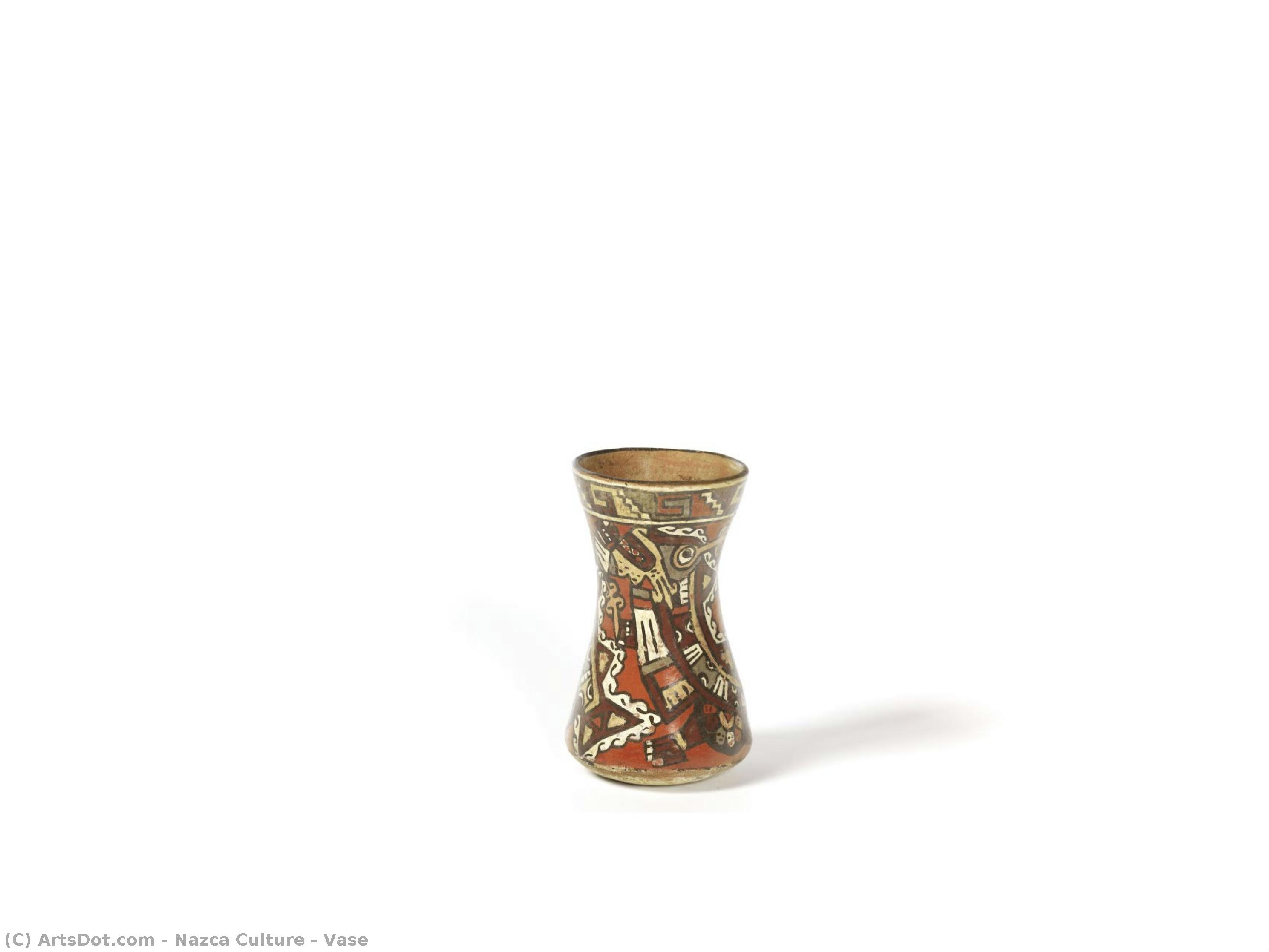
Vase


 Razviljaj več
Ročno izdelana oljna reprodukcija
Ročno slikano olje na platnu v vaši izbiri velikosti in okvirja, izdelano po naročilu naših umetnikov. ( Kupi tisk Kupi digitalno sliko)




































Izberite eno od naših vnaprej določenih velikosti, ki ustrezajo prvotnim proporcijam umetničkega dela.

Svoje dimenzije lahko vnesete tako, da se prilagodite določenemu okvirju ali prostoru. Če izbrana velikost ne ustreza razmerjem originalne slike, bomo umetniško delo obrezali ali sliko dopolnili z dodatnimi ročno naslikanimi elementi. Pred začetkom proizvodnje vam bo poslan digitalni osnutek v odobritev.
Upoštevajte, da predogled na zaslonu ne odraža dejanskega obrezovanja ali podaljšanja. Le osnutek bo natančno prikazal končno kompozicijo.
Čeprav so na voljo velikosti po meri, priporočamo izbiro dimenzije s preddefiniranega seznama, da ohranimo originalne razmere.
Po oddaji naročila bo ekipa ArtsDot.com stranki po e-pošti poslala navodila in predogled digitalnega predogleda.
Svetska dostava () za 3/4 nedelje umesto uobičajenih 5 nedelja. (23 avgust). Bez kompromisa po pitanju kvaliteta.

Brezplačna ekspresna dostava po vsem svetu

Visokokakovostno laneno platno

Popolno zavarovanje pošiljke

Garancija povračila carine in uvoznih davkov

Garancija popolnega ujemanja barv

60-dnevna politika vračanja (le v primeru napak)

Garancija 100% povračila denarja

Popust pri večjem naročilu
 Možnost stekla je na voljo le za velikosti pod 110 cm

Vase
Tehnika reprodukcije
Velikost reprodukcije
-


Skupna končna cena
$ 263
Sorodna umetniška dela


Biografija umetnika
The Enigmatic Legacy of the Nazca Culture
The Nazca culture, flourishing between 100 BC and 800 AD along the arid coast of Peru, remains one of the most enigmatic civilizations of pre-Columbian America. More than just artisans crafting beautiful ceramics and textiles—though they certainly excelled in these fields—the Nazca people possessed a profound understanding of astronomy and mathematics, reflected in their monumental geoglyphs – the Nazca Lines – which continue to fascinate scientists and historians alike. Their legacy speaks volumes about human creativity and adaptation to challenging environments.
Located in the Nazca Desert, a region characterized by extreme aridity and sparse vegetation, the Nazca culture developed in relative isolation from other Andean societies. Evidence suggests that they migrated from highland Peru around 100 BC, bringing with them agricultural knowledge—primarily maize cultivation—that allowed them to sustain a population of approximately 50,000 people. The desert landscape itself profoundly influenced their artistic expression and cosmology; the Nazca Lines are believed to align with celestial events like solstices and equinoxes, hinting at a sophisticated awareness of astronomical cycles.
Mastery of Earth and Pigment
Nazca ceramics stand out for their exceptional craftsmanship and stylistic diversity. Produced primarily from adobe clay sourced from alluvial deposits along the Rio Grande de Nazca valley, these vessels demonstrate remarkable skill in shaping, firing, and decorating surfaces. The artistry of this era is defined by a vibrant palette and a unique approach to form, where every piece serves as a vessel for both daily utility and sacred ritual.
The technical brilliance of their pottery is evident in several key areas:
- Vibrant Polychrome: The use of mineral pigments allowed for a stunning array of reds, yellows, blues, and blacks, creating high-contrast imagery that has survived centuries of desert erosion.
- Iconographic Richness: Surfaces were often adorned with stylized animals—particularly hummingbirds, lizards, and monkeys—alongside complex geometric patterns and anthropomorphic figures representing deities and rulers.
- Structural Innovation: Many pieces, such as the sculptural vase with bridge handle or the double neck vase, showcase advanced techniques in creating complex handles and structural balance.
A Civilization of Ingenuity
Beyond the visible beauty of their art, the Nazca people achieved feats of engineering that allowed life to thrive in one of the world's most inhospitable climates. Their mastery over water is perhaps as significant as their mastery over clay. Through the creation of puquios—sophisticated underground aqueducts—they managed to tap into subterranean aquifers, ensuring a steady water supply for their crops and communities despite the relentless drought of the Peruvian coast.
This profound connection between the earth, the water, and the heavens created a cohesive cultural identity. Whether through the massive geoglyphs etched into the desert floor or the delicate motifs painted onto a ceramic vase, the Nazca culture left an indelible mark on human history. Their work remains a testament to the ability of the human spirit to find beauty, order, and sustenance within the most challenging landscapes.

nazca culture
Peru
Hitri podatki
- Artistic Movement Or Style: Geoglyphs
- Artists Or Movements Influenced By This Artist: ['Paracas Culture']
- Full Name: Nazca Culture
- Nationality: Peruvian
- Notable Artworks: ['Nazca Lines']
- Place Of Birth: Peru
Sorodni članki

The Alchemy of Clay: A Collector's Guide to the Mastery, Texture, and Timeless Form of Ceramic Art
Discover the profound beauty of ceramic art. Our expert guide explores the alchemy of clay, texture, and glaze, offering collectors deep insights into mastering earth and fire to create timeless, sculptural masterpieces for any curated collection.

Geometrična Abstraktna Umetnost: 10 Mojstrovin za Vaš Dom | ArtsDot.com
Odkrijte 10 mojstrovin geometrične abstrakcije! Mondrian, Malevich, Kandinsky in drugi. Zgodbe umetnikov, tehnike ter navdih za vaš dom. Kvalitetne reprodukcije slik na ArtsDot.com. Raziskajte celotno zbirko online!

The Enduring Appeal of Geometric Patterns in Art: A Historical & Contemporary Exploration
Explore the captivating history of geometric abstraction in art, from ancient roots to contemporary masters. Expert insights for collectors & enthusiasts. Discover key artists, movements & investment potential.
Geometric Design in Art: A Historical Survey & Contemporary Appeal for Collectors
Explore the enduring legacy of geometric abstraction! Discover key artists, historical movements & investment insights for discerning art collectors. Expert guidance from ArtsDot.

Beyond Form & Color: Geometric Abstraction's Evolution in 20th/21st Century Art
Explore the evolution of geometric abstraction from Cubism to contemporary art. Discover key artists like Malevich & Mondrian, investment insights, and expert collecting advice at ArtsDot.

