


 Preverite v realnem okolju
 Pošlji kot čestitko
 Deli
Deli
 Podrobnosti
 Navodila

 Prenesi
 Podobni artefakti
 Rentgenski posnetek
 Predvajaj diaporama
 Statistika
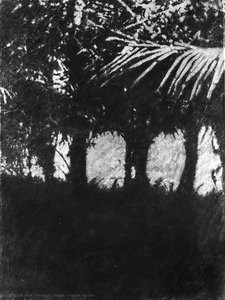
Purple Hearts
 1986
1986 76.0 x 57.0 cm
 Preberi več
Giclée tisk / Umetniški tisk
Giclée ali platnati odtis muzejske kakovosti z hitro proizvodnjo in prilagodljivimi možnostmi končne obdelave. ( Naročite ročno slikano reprodukcijo Preklop na digitalno sliko)




































Izberite eno od naših vnaprej določenih velikosti, ki ustrezajo prvotnim proporcijam umetničkega dela.

Svoje dimenzije lahko vnesete sami, da bodo ustrezne za določen okvir ali prostor. Če izbrana velikost ne bo skladna z razmerji izvirne slike, bomo umetniško delo orezali ali podaljšali s pomočjo ogledalnega odraza ali barvno polnega roba. Pred začetkom proizvodnje vam bomo poslali digitalni predogled za potrditev.
Upoštevajte, da predogled na zaslonu ne prikazuje dejanskega orezovanja ali podaljševanja. Le digitalni predogled bo natančno prikazal končno kompozicijo.
Čeprav so na voljo prilagojene velikosti, priporočamo izbiro dimenzije s predhodno določenega seznama, da ohranite prvotna razmerja.
Globalna dostava () v 2 tednih namesto standardnih 4/5 tednov. (24 september)

Brezplačna ekspresna dostava po vsem svetu

Visokokakovostno laneno platno

Popolno zavarovanje pošiljke

Garancija povračila carine in uvoznih davkov

Garancija popolnega barvnega ujemanja

Politika vračila v 100 dneh (le v primeru okvar)

Garancija 100% povračila denarja

Popust pri večjem naročilu
 Možnost stekla je na voljo le za velikosti pod 110 cm

Purple Hearts
Giclée tisk / Umetniški tisk
Velikost reprodukcije
-


Skupna cena
$ 62
Sorodna umetniška dela


Biografija umetnika
Early Life and Formation in Buffalo
Michael Zwack, born in Buffalo, New York, in 1949, emerged as a significant voice within the Pictures Generation of artists. His artistic journey began with a foundation in sculpture at Buffalo State College, where he received his BA in 1970. However, it was his collaborative spirit and intellectual curiosity that truly defined this early period. Before relocating to New York City’s burgeoning art scene in 1976, Zwack co-founded Hallwalls Contemporary Arts Center alongside fellow artists Robert Longo, Cindy Sherman, Charles Clough, and Nancy Dwyer. This wasn't merely the establishment of a gallery; it was the creation of a vital space for experimental art—a non-profit organization that continues to thrive today, fostering dialogue and innovation within the artistic community.
The Pictures Generation and Appropriation
Moving to New York City placed Zwack at the epicenter of a transformative moment in contemporary art. He became closely associated with The Pictures Generation, a group of artists who challenged traditional notions of originality by embracing appropriation—borrowing imagery from mass media, advertising, and popular culture. This approach wasn’t about simple replication; it was a critical engagement with the pervasive influence of images on society, questioning their authenticity and power. Zwack's work distinguished itself through its unique layering of text and image, often incorporating ancient symbols and references to diverse cultures—from Mayan traditions to English literary sources. He didn’t simply *use* imagery; he wove it into complex narratives that invited contemplation and reinterpretation.
Developing a Distinct Visual Language
Zwack's paintings evolved into richly textured surfaces where fragments of history, mythology, and the natural world converged. He sought to “seduce people into worlds that they may not ordinarily take themselves—into a world of morality, a world of humanity,” creating spaces imbued with potential meanings and a palpable sense of life. His canvases weren’t depictions *of* reality but rather invitations to explore alternate realities, where everything resonated with symbolic weight. This pursuit led him to delve into Haitian Vodou music and traditions in the 1990s, eventually achieving the highest level of initiation as a *houngan asogwe*, a Vodou priest. This immersion profoundly influenced his artistic practice, adding another layer of spiritual depth and cultural resonance to his work.
Exhibitions and Recognition
Throughout his career, Zwack’s art was showcased in prominent galleries including Metro Pictures and Paul Kasmin Gallery in New York, as well as Thaddaeus Ropac in Salzburg, Austria. These exhibitions provided a platform for his distinctive vision to reach a wider audience. A major milestone came with his inclusion in the landmark 2009 exhibition *The Pictures Generation* at the Metropolitan Museum of Art, curated by Douglas Eklund. This retrospective solidified his position as a key figure within this influential artistic movement. Rosetta Brooks, writing about Zwack’s 1996 exhibition at Thomas Soloman's Garage in Artforum, highlighted his ability to “reconsider the impact of the photographic on our way of seeing,” praising his work for its contemplative quality and evocative depth.
Legacy and Historical Significance
Michael Zwack’s untimely death in New York City on May 5, 2017, at the age of 67, due to lung cancer marked a loss for the art world. However, his artistic legacy continues to inspire. He was not simply an artist who appropriated images; he was a storyteller, a cultural explorer, and a spiritual seeker whose work challenged viewers to question their perceptions of reality and engage with the complex layers of history and symbolism that shape our understanding of the world. His contributions to The Pictures Generation remain vital, demonstrating the power of art to critique, provoke, and ultimately, transform our way of seeing.
michael zwack
1949 - 2017 , United States of America
Ključne informacije
- Artistic Movement Or Style: Pictures Generation
- Artists Who Influenced This Artist:
- Robert Longo
- Cindy Sherman
- Date Of Birth: 1949
- Date Of Death: May 5, 2017
- Full Name: Michael Zwack
- Nationality: American
- Notable Artworks: ['Purple Hearts']
- Place Of Birth: Buffalo, USA