
 Predogled v realnem okolju
 Pošlji
 Deli
Deli
 Podrobnosti o delu
 Priročnik

 Prenesi sliko
 Podobni izdelki
 Rentgenski posnetek
 Predvajaj diaporama
 Vprašanja in odgovori
 Statistika
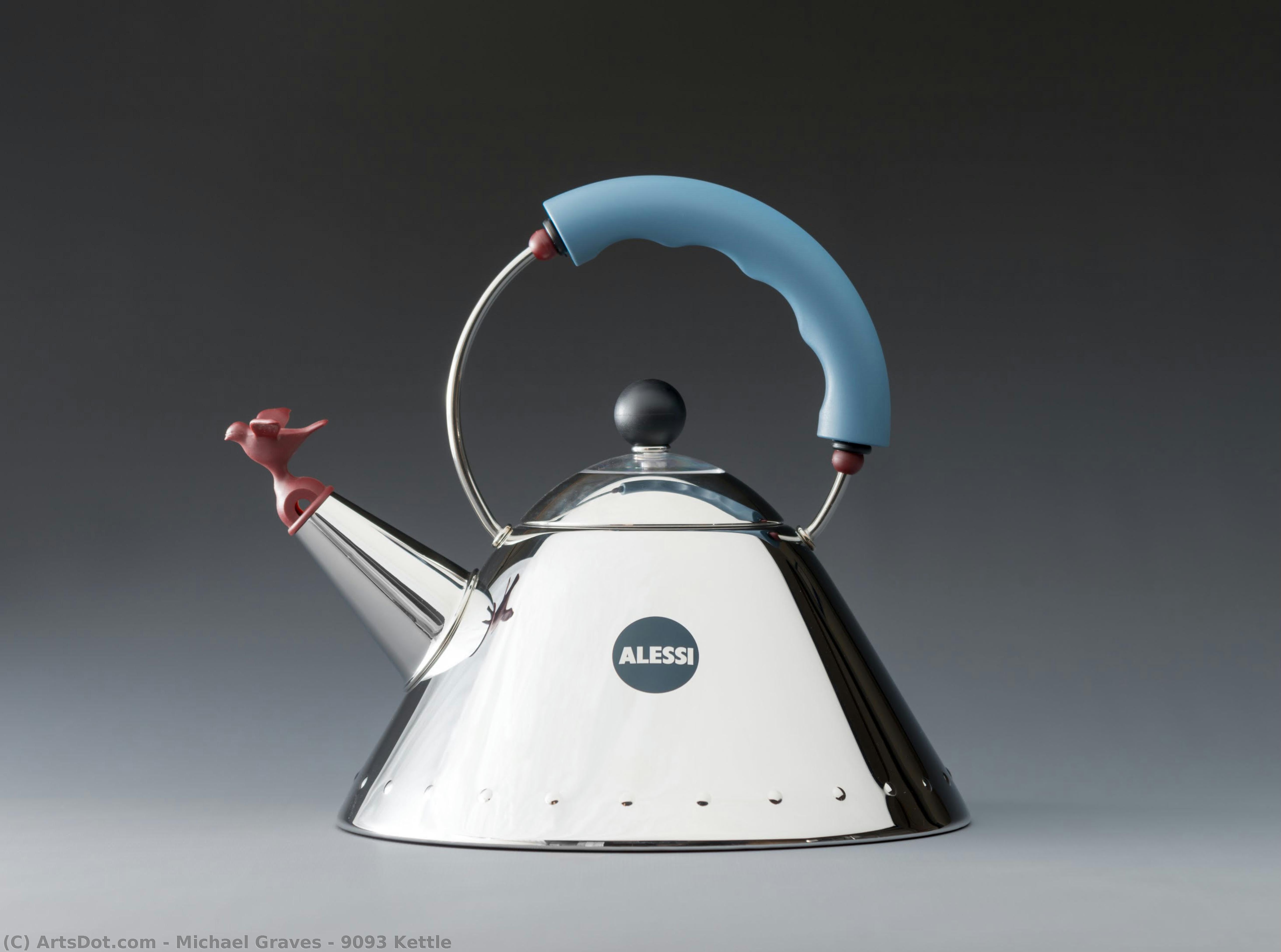
9093 Kettle

 Preberi več
Pridobite datoteko, pripravljeno za tiskanje, ki presega kakovost spletnega predogleda. Vsaka digitalna slika v naši ponudbi izvira iz visoko ločljive izvirne datoteke v naši bazi — običajno široke od 5.000 do 15.000 pikselov — zato lahko z zaupanjem tiskate v večji format, tesno izrezujete ali reproducirate fine podrobnosti.
Nobena datoteka ne zapusti našega studia nedotiknjena. Digitalni strokovnjak preveri barve v primerjavi z izvirno sliko in jih po potrebi popravi, nato pa s profesionalnimi orodji za retuširanje izboljša jasnost in podrobnosti — pri čemer vedno ostaja zvest umetnikovim potezam in slogu. Rezultat je slika, ki izgleda kot samo slikarstvo, ne pa kot le filtriran sken.
Potrditev pred dokončanjem dela: naš strokovnjak vam v roku 72 ur pošlje sliko po e-pošti na pregled. Niste zadovoljni? Zahtevajte izboljšave ali popravke ali prosite za povračilo denarja, če kakovost ni v skladu z pričakovanimi standardi.
To je kakovost, po kateri temeljijo založniki, oblikovalni studii, galerije in tiskarne.
Digitalna slika
Prenesite datoteko visoke ločljivosti za osebno uporabo, tiskanje in kreativne projekte. ( Preklop na tiskanine Kupite ročno slikano delo)
Vključeno v vsako naročilo digitalne slike
Zagotovljena strokovna digitalna dostava
Z izbiro ArtsDot.com ne prejmete le slike – prejmete profesionalno urejeno digitalno umetniško delo, izdelano z največjo natančnostjo in zavestno podprto z garancijo za zadovoljstvo. Tukaj je vse, kar bo z vašim naročilom samodejno priloženo:

Hitra dostava prek e-pošte
Vaša digitalna slika visoke ločljivosti bo na vaš e-naslov poslana v roku 72 ur od zaklopa naročila – pripravljena za takojšnjo uporabo.

Digitalna datoteka z uporabo AI
Vaše umetniško delo je strokovno optimizirano z uporabo naprednih orodij umetne inteligence in ročne obdelave, kar zagotavlja največjo stopnjo podrobnosti, jasnosti in barvne natančnosti.

Brezplačna doletna ponovna dostava
Ste datoteko zaradi nespremietne napake izgubili ali izbrisali? Ni težav – vam jo bomo ponovno poslali kadar koli in brezplačno.

Brez uvoznih pristojbin – vedno
Svoje umetniško del uživajte takoj, brez carin, davkov ali stroškov dostave – digitalni prenosi so vedno brezdavčni.

Zagotovilo natančnosti barv
Z uporabo profesionalnih orodij in procesov upravljanja barv zagotavljamo, da vaša digitalna slika čim bolj natančno odraža prvotne barve.

100-dnevna garancija zadovoljstva
Če niste zadovoljni s svojo digitalno sliko, jo bomo uredili ali vam v 100 dneh povrnili 100% denarja – brez kakršnih koli vprašanj.

100% Garancija povračila denarja
Niste zadovoljni? Zagotavljamo vam popoln povračilo sredstev v 100 dneh po prejemu digitalne datoteke – brez dodatnih vprašanj.

Popusti pri večjih naročilih
Kupite 3 slike, prihranite 10% - Kupite 5 slik, prihranite 15% - Kupite 10+ slik, prihranite 20%. Odlično za kreativne projekte, galerije in agencije.
Sorodna umetniška dela


Biografija umetnika
A Playful Rebellion: The Life and Vision of Michael Graves
Michael Graves, born in Indianapolis in 1934, emerged as a pivotal figure in late 20th and early 21st-century design—an architect who dared to challenge the austere dogma of modernism with a vibrant, often whimsical aesthetic. His journey wasn’t one of immediate rebellion, but rather a gradual evolution fueled by a growing dissatisfaction with the perceived rigidity and historical detachment of the prevailing architectural style. Initially steeped in modernist principles during his education at the University of Cincinnati and Harvard, Graves found himself increasingly drawn to the power of history, symbolism, and ornamentation—elements largely banished from the modernist lexicon. This shift wasn’t simply an aesthetic preference; it was a fundamental questioning of architecture's purpose: should buildings merely function, or should they also delight, communicate, and connect with people on a more emotional level? The seeds of this inquiry were sown during his time at the American Academy in Rome as a recipient of the prestigious Rome Prize, where he immersed himself in the rich tapestry of classical architecture. It was an experience that profoundly shaped his understanding of form, proportion, and the enduring power of architectural language.From The New York Five to Postmodern Iconoclasm
Graves’s ascent coincided with a period of significant experimentation within the architectural world. He became a key member of *The New York Five*, a group of architects—alongside Peter Eisenman, Charles Gwathmey, Richard Meier, and Robert A.M. Stern—who actively challenged modernist orthodoxy in the late 1960s and early 70s. Their work, characterized by formal complexity and a rejection of simplistic functionalism, laid the groundwork for the burgeoning postmodern movement. However, Graves’s vision extended beyond architectural boundaries. His involvement with *The Memphis Group* in the 1980s—an Italian design collective known for its boldly colored, playfully shaped furniture and objects—brought his designs to an even wider audience. This collaboration was a watershed moment, demonstrating that good design wasn't limited to buildings; it could permeate everyday life through accessible, aesthetically engaging products. It was a deliberate democratization of design, bringing artistry into the home. The influence of Robert Venturi and Denise Scott Brown’s seminal work, *Complexity and Contradiction in Architecture*, cannot be overstated. Their critique of modernist simplicity resonated deeply with Graves, encouraging him to embrace ambiguity, irony, and historical references—qualities that would become hallmarks of his style.Landmark Buildings and the Democratization of Design
Graves’s architectural portfolio is remarkably diverse, reflecting his willingness to adapt his distinctive aesthetic to a wide range of contexts. The Portland Building (1982) in Oregon remains perhaps his most iconic—and controversial—creation. Its colorful facade, adorned with oversized classical ornamentation, sparked intense debate, challenging conventional notions of what a civic building should look like. Similarly, the Humana Building in Louisville, Kentucky, is a playful and whimsical structure that incorporates exaggerated decorative elements, creating a sense of theatricality. Beyond these landmark projects, Graves demonstrated his versatility with works such as the Ministry of Culture in The Hague, Netherlands, and the Denver Public Library expansion—each showcasing his commitment to public spaces and thoughtful design solutions. But perhaps his most significant contribution was his ability to bridge the gap between high art and mass production. His collaborations with companies like Alessi resulted in iconic designs such as the 9093 Kettle, transforming a mundane kitchen object into a work of art. Further extending this philosophy, Graves partnered with Target and J.C. Penney to create affordable product lines, making stylish and well-designed items accessible to a broader audience—a truly revolutionary act that challenged the elitism often associated with design.A Legacy of Accessibility and Humanistic Design
In 2003, a life-altering event profoundly impacted Graves’s work: he suffered a partial paralysis that confined him to a wheelchair. This personal experience ignited a passionate advocacy for universal design—the principle of creating products and environments usable by all people, regardless of age, ability, or status. He recognized firsthand the challenges faced by individuals with disabilities and dedicated himself to improving healthcare environments, ensuring they were not only functional but also dignified and supportive. His later work reflected this commitment, prioritizing accessibility, comfort, and a humanistic approach to design. Throughout his illustrious career, Michael Graves received numerous accolades, including fellowships from the American Institute of Architects, the AIA Gold Medal, the National Medal of Arts, and the Driehaus Architecture Prize—testaments to his enduring influence and significant contributions to the field. He left behind a legacy that extends far beyond bricks and mortar or product designs; he challenged conventions, embraced playfulness, and championed a more inclusive and human-centered approach to design—a vision that continues to inspire generations of architects and designers today.
Michael Graves
1934 - 2015 , United States of America
Ključne informacije
- Full Name: Michael Graves
- Nationality: American
- Date Of Birth: 1934
- Date Of Death: 2015
- Place Of Birth: Indianapolis, United States of America
- Notable Artworks:
- 9093 Kettle
- Coffee pot
- Portland Building
- Humana Building
- Artistic Movement Or Style: Postmodernism
- Artists Who Influenced This Artist:
- Robert Venturi
- Denise Scott Brown
- Artists Or Movements Influenced By This Artist:
- Postmodern architecture
- New Urbanism