

 Predogled v realnem okolju
 Pošlji
 Deli
Deli
 Podrobnosti o delu
 Priročnik

 Prenesi sliko
 Podobni izdelki
 Rentgenski posnetek
 Predvajaj diaporama
 Q&A
Q&A Statistika
Presentation in the Temple

- 122.0 x 92.0 cm


 Preberi več
Giclée tisk / Umetniški tisk
Giclée ali platnati odtis muzejske kakovosti z hitro proizvodnjo in prilagodljivimi možnostmi končne obdelave. ( Kupite ročno slikano delo Preklop na digitalno sliko)




P118B €10

P118H €10

P118W €10

P438Z €10

P508JH €12

P508YH €12

P805H €10

P805Z €10

P919BZ €10

P919G €10

P919XJ €10

P959ZH €10

P968JZ €12

W106C €8

W218G €10

W218JH €8

W218Y €10

W307PJ €10

W316G €10

W316PJ €8

W316Y €10

W398PJ €8

W4111J €10

W500HY €15

W500JH €15

W692G €12

W849H €8

W940BG €15

W953PJ €8




Izberite eno od naših vnaprej določenih velikosti, ki ustrezajo prvotnim proporcijam umetničkega dela.

Vnesite širino in višino, ki jih potrebujete za svoj okvir ali steno. Tiskanje se lahko le odreže, vendar ga ni mogoče narediti večjega od slike, zato format z drugačno obliko pomeni izgubo dela slike. Pred tiskanjem vam pošljemo digitalni predogled za potrditev. Slika, prikazana na tej strani, ne prikazuje dejanskega izrezka — le predogled to omogoča.
Globalna dostava () v 2 tednih namesto standardnih 4/5 tednov. (2 november)

Brezplačna ekspresna dostava po vsem svetu

Visokokakovostno laneno platno

Popolno zavarovanje pošiljke

Garancija povračila carine in uvoznih davkov

Garancija popolnega barvnega ujemanja

100-dnevna politika vračil (le v primeru okvar)

Garancija 100% povračila denarja

Popust pri večjem naročilu
 Možnost stekla je na voljo le za velikosti pod 110 cm

Presentation in the Temple
Giclée tisk / Umetniški tisk
Velikost reprodukcije
-


Skupna cena
€ 55
A Symphony of Faith and Light
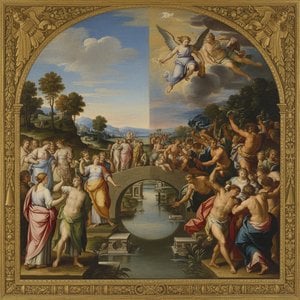
In the quiet sanctity of the Museo Thyssen-Bornemisza, there exists a moment frozen in time, a celestial encounter captured through the masterful hand of Ludovico Carracci. His Presentation in the Temple, executed around 1605, is far more than a mere religious depiction; it is a profound meditation on divinity and human devotion. The scene unfolds with a serene grace, as Mary presents the infant Jesus to the venerable Simeon and Anne within the hallowed halls of the Temple of Jerusalem. There is an immediate, palpable sense of peace that washes over the viewer, an atmosphere where the weight of sacred tradition meets the tender vulnerability of new life. For the discerning collector or lover of classical beauty, this work offers a window into a period when art served as a bridge between the earthly and the divine.
The composition is a masterclass in the Baroque aesthetic, specifically reflecting the transformative influence of the Carracci School. While many of his contemporaries sought to provoke through shock or extreme psychological tension, Ludovico Carracci pursued a harmonious balance that revitalized Italian painting. He skillfully blended the theatrical grandeur of the burgeoning Baroque era with a renewed commitment to humanist clarity. The figures are arranged with a deliberate, rhythmic elegance, guiding the eye through a narrative of reverence. This careful orchestration ensures that even as the scene possesses a dramatic scale, it never loses its intimate, spiritual core, making it an ideal centerpiece for spaces designed for contemplation and quiet sophistication.
The Mastery of Chiaroscuro and Form
Technically, the painting is a triumph of light and shadow. Carracci employs chiaroscuro—the dramatic interplay between deep, velvety shadows and brilliant highlights—to sculpt the figures with remarkable anatomical precision. This technique does not merely provide depth; it creates an ethereal glow that seems to emanate from Mary and the Christ child themselves, casting them as the luminous heart of the composition. The artist’s mastery is further revealed in the meticulous rendering of drapery, where subtle gradations of color are achieved through the delicate layering of glazes. These textures invite the eye to linger on the heavy, flowing fabrics, which possess a tactile quality that brings the historical scene into a startlingly present reality.
Beyond the technical brilliance lies a rich tapestry of symbolism that rewards deep observation. The presence of doves within the frame is not merely decorative; they serve as potent symbols of divine grace and foreshadow the future sacrifices inherent in the Christian narrative. Every element, from the soft light hitting the infant's skin to the solemn expressions of the elders, is imbued with meaning. For interior designers seeking to infuse a room with historical depth and emotional resonance, a high-quality reproduction of this masterpiece provides more than just decoration; it introduces a legacy of Bolognese Baroque excellence, offering a timeless elegance that complements both classical and contemporary environments.
Vprašanja in odgovori
Na katero obdobje v karieri Ludovico Carracci ustreza leto 1605 za delo "Presentation in the Temple"?
"Presentation in the Temple", ustvarjeno leta 1605, pripada Mature Period v karieri umetnika Ludovico Carracci.
V katero obdobje Ludovico Carracciove kariere spada delo "Presentation in the Temple"?
V okviru kariere umetnika Ludovico Carracci delo "Presentation in the Temple" pripada obdobju Mature Period, kar omogoča primerjavo z ostalimi umetnikovimi deli.
い哪種媒介是用來創作 "Presentation in the Temple" avtorja Ludovico Carracci 的?
Ludovico Carracci je za delo "Presentation in the Temple" uporabil/a tehniko Oil On Canvas. Ta tehnika opredeljuje materialno naravo izvirnega dela.
Sorodna umetniška dela


Biografija umetnika
Arhitekt bolonjskega baroka
V živahnem, intelektualnem srcu Bolonje, v mestu, kjer se je renesančna tradicija srečala z razvijajočim se duhom nove dobe, se je Ludovico Carracci pojavil kot preobrazbena sila v evropski umetnosti. Rodjen leta 1555, je bila njegova življenjska pot neločljivo povezana s samo temeljmi bolonjske šole. Kot del slavne družine Carracci, skupaj s svojimi kuzinema Annibalej in Agostinom, se Ludovico ni le udeleževal v umetniškem gibanju; pomagal je načrtovati prehod od stilizirane, pogosto umetne elegance manierizma k globokemu, čustvenemu naturalizmu baroka. Njegova mladost je bila oblikovana v delavnici njegovega očeta, Prospera Carracija, v okolju, ki je služilo kot krčelj za eksperimentiranje in zatočišče za študijo disegno—natančnega opazovanja oblike in anatomije, ki bo postalo značilnost njegove dediščine.
Medtem ko so njegovi kuzini pogosto iskali slavo na velikih dvorih v Rimu, je Ludovico ostal globoko zakoreninjen v svoji rodni Bolonji. Ta neomajna povezanost mu je omogočila, da je ustvaril edinstveno umetniško zatočišče, vodil akademijo, ki je postala svetilnik za naslednjo generacijo mojstrov, vključno z Guidom Renijem in Domenichinom. Njegovo del predstavlja popolno sintezo zgodovinskih vplivov; črpaj je iz božanske milosti Rafaelja, mehkega sijaja Correggia in bogate koloristike Titiana, a je te klasične elemente prežareli z novo, dramatično vitalnostjo. Z zavračanjem izdoljenih in pogosto napetih poz »poznega manierizma«, kot so bili umetniki pri Parmigianinu, je Ludovino sprejel bolj vizceralno realnost, pri čemer je uporabil drzne geste in trepetljivo, atmosferično svetlobo, da bi vznemiril duše svojih gledalcev.
Svetloba, senca in duhovna intenzivnost
Pravo genije Ludovica Carracija leži v njegovi sposobnosti manipulacije z chiaroscuro—dramatičnim igranjem svetlobe in sence—kot sredstvom za duhovno kontemplacijo. Njegova platna redko predstavljajo le prikaze biblijskih dogodkov; so pogるとbe izkušnje, zasnovane tako, da vzbudijo religiozen zanos. V delih, kot je Angel osvobaja duše iz purgatorija, lahko pričujemo, kako njegova uporaba svetlobe ne osvetljuje le scene, temveč aktivno sodeluje v njeni narativi, s črpanjem figur iz teme, da izpostavi trenutke božanske usmiljenosti in milosti. Ta tehnika, ki spominja na razvijajoči se naturalizem pri Caravaggiu, mu je omogočila, da je celo najsvetnejše teme prežarel z oprijemljivo, človeško čustvenostjo.
Njegovo mojstvo se je razširilo na različne medije, od monumentalnih fresk do nežne natančnosti etingov in printov. Ne glede na to, ali je zajemal spokojno svetost Predstavitve v tempu ali mišičasto, heroično napetost v svojem Moškem desnobilcu (Herkul?), skozi njegovo celotno delo teče neprekinjena nit čustvene globine. Njegove religiozne slike, kot je Bargellini Madonna, kažejo sposobnost organiziranja kompleksnih skupin svetnikov in angelov v harmonične, a dinamične kompozicije, kjer vsaka guba draperije in vsako nagib glave prispeva k širšemu občutku nebesnega gibanja.
Trajna dediščina v italijanskem kanonu
$Zgodovinski pomen Ludovica Carracija je težko prestopiti. Bil je ključna figura, ki je pomagala revitalizirati italijansko umetnost v času, ko se je zaradi težave lastnih formalističnih tradicij tiktala nevarnost stagnacije. S podpiranjem sloga, ki je prednostno dajal čustveno resnico in naturalistično opazovanje, je postavil osnutek za najslavnejše dosežke barokne dobe. Njegov vpliv se je širil iz Bolonje, oblikoval estetični jezik velike č части Evrope in postavil temelje klasičnemu naturalizmu, ki bo dominiral v 1 v¯stotnem letu.
Ko razmišljamo o njegovem življenju in delu, vidimo umetnika, ki je uspešno premostil dva sveta: strukturirano popolnost renesanse in dramatično, glediščno energijo baroka. Njegova sposobnost združevanja intelektualne rigoroznosti disegno z globokim občutkom colore in čustvenim odmevom zagotavlja njegovo mesto med najvitalnejšimi slikarji njegove dobe. Skozi svojo predanost k svoje umetnosti in zavezanost duhovni moči umetnosti je Ludovico Carracci pustil neizbrisno sled v zgodovini zahodne slikarstva ter nas opominja, da prava lepota leži na stičišču tehničnega mojstravanja in človeškega srca.

Ludovico Carracci
1555 - 1619 , Italija
Hitri podatki
- Artistic Movement Or Style: Barokno slikarstvo
- Artists Or Movements Influenced By This Artist:
- Caravaggio
- Guido Reni
- Artists Who Influenced This Artist:
- Michelangelo
- Raphael
- Date Of Birth: 21. april 1555
- Date Of Death: 1619
- Full Name: Ludovico Carracci
- Nationality: Italijanski
- Notable Artworks:
- Vizija svetnika Frančiška iz Asize
- Ludovico Carracci
- Jasonove zgodbe
- Place Of Birth: Bolonja, Italija
Sorodni članki
Annibale Carracci: Bridging Renaissance Ideals & Baroque Innovation
Explore the life & art of Annibale Carracci, a pivotal figure bridging Renaissance ideals with Baroque innovation. Discover his masterpieces and lasting influence on Italian painting.

Giuseppe Maria Crespi: Pioneering Genre Painting & the Bolognese Baroque
Explore the life & art of Giuseppe Maria Crespi, a pivotal Bolognese Baroque painter. Discover his groundbreaking genre scenes, religious works, and lasting influence on Italian art history. Learn more at ArtsDot.

The Dramatic Flourish: Exploring the Baroque Movement's Enduring Legacy in Art History
Explore the dramatic world of Baroque art! Discover iconic artists like Caravaggio & Rubens, defining techniques, and its lasting impact on art history. Expert insights for collectors & enthusiasts at ArtsDot.

Baročna Drama: Uvedba Velikosti in Čustvenosti v Sodobne Interierje
Odkrijte veličino baročne umetnosti! Nasveti za integracijo dramatičnosti in čustvenosti v vaš dom. Kvalitetne reprodukcije, naročila po meri pri ArtsDot.com – strokovno posvetovanje in vrhunska kakovost.

The Visceral Stage: Exploring Dramatic Narratives & Emotional Intensity in Baroque Art
Explore the dramatic world of Baroque art! Discover iconic masters like Caravaggio & Rembrandt, their techniques, and the movement's lasting impact. Expert insights for collectors & enthusiasts at ArtsDot.