
- Domov

- Digitalna slika
- kano motonobu
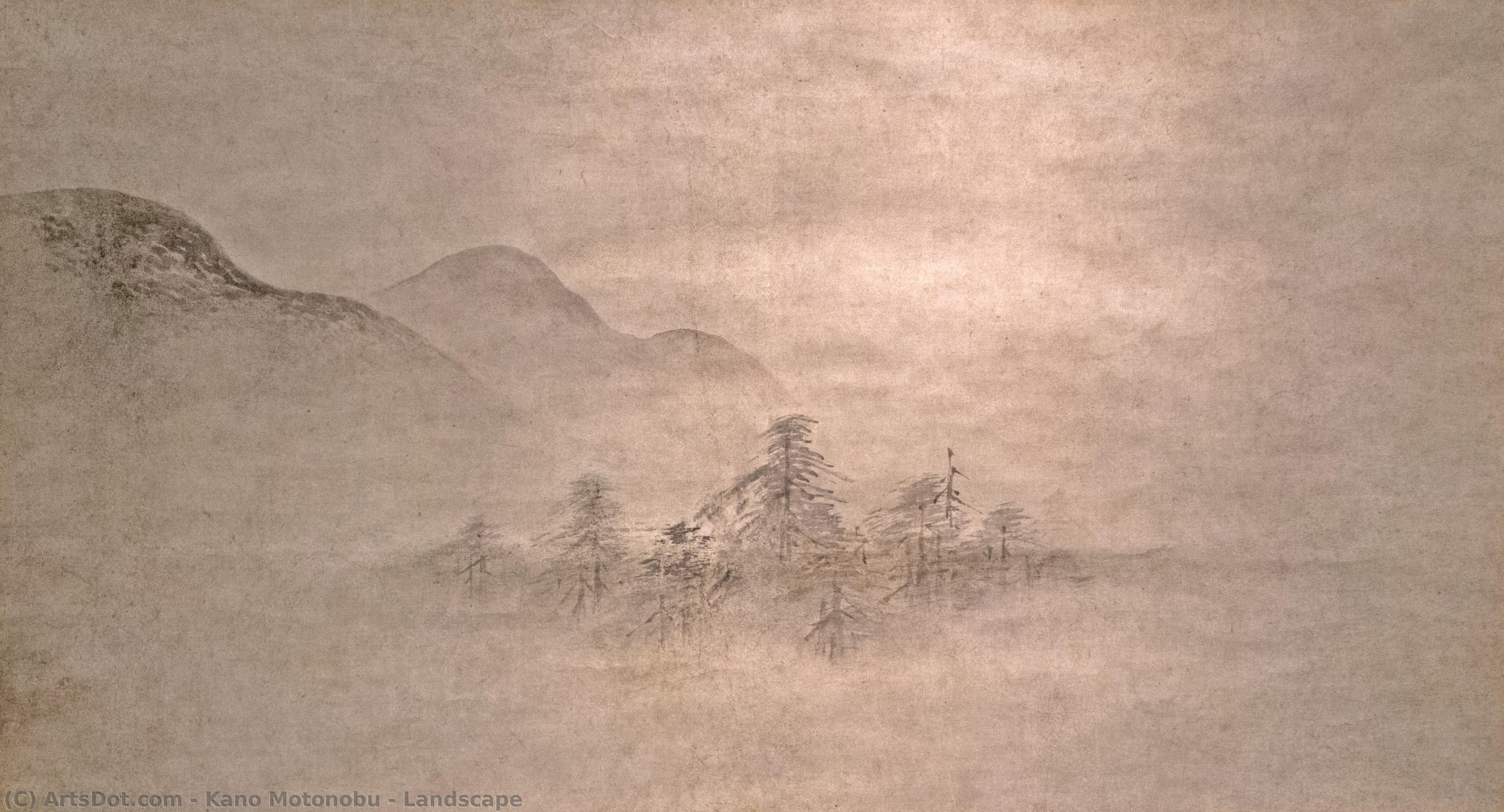
- Landscape
 Predogled
 Pošlji
 Deli
Deli
 Podrobnosti o delu

 Prenesi
 Podobni izdelki
 Rentgenski posnetek
 Predvajaj diaporama
Landscape
 501
501 59.0cm x 108.0cm
 Razviljaj več
Kupite digitalno sliko visoke ločljivosti z izboljšano kakovostjo, ki je precej boljša od spletnega predogleda.
Vsaka datoteka je pod natančnim nadzorom naših strokovnjakov, ki uporabljajo napredna orodja in strokovno ročno obdelavo. Zagotovimo, da ima vsaka slika izjemno jasnost, natančnost barv in fine podrobnosti.
Končna datoteka je po e-pošti dostavljena v 72 urah, optimizirana za takojšnjo uporabo v profesionalnem, uredniškem in tiskarskem okolju. To je kakovost, ki ji zaupajo vrhunska oblikovalna studia, založniki in galerije.
Digitalna slika
Prenesite datoteko visoke ločljivosti za osebno uporabo, tiskanje in kreativne projekte. ( Switch to Print Preklopite na ročno slikano delo)
Vključeno v vsako naročilo digitalne slike
Zagotovljena strokovna digitalna dostava
Ko izberete ArtsDot.com, ne prejmete le slike – prejmete digitalno umetniško delo, ki je profesionalno urejeno, izdelano z natančnostostjo in zavestno zagotovljeno z garancijo za zadovoljstvo. Tukaj je vse, kar samodejno prejmete z vašim naročilom:

Hitra dostava prek e-pošte
Vaša digitalna slika visoke ločljivosti bo na vaš e-naslov poslana v roku 72 ur od zaklopa naročila – pripravljena za takojšnjo uporabo.

Digitalna datoteka z umetno inteligenco
Vaše umetniško delo je strokovno optimizirano z uporabo naprednih orodij umetne inteligence in ročne obdelave, kar zagotavlja največjo stopnjo podrobnosti, jasnosti in barvne natančnosti.

Brezplačna ponovna dostava za vse življenje
Ste zaradi nespremietne napake izgubili ali izbrisali svojo datoteko? Ni težav – vam jo bomo ponovno poslali kadar koli in brezplačno.

Brez uvoznih pristojbin – vedno
Uživajte v svojem umetniškem delu takoj, brez carin, davkov ali stroškov dostave – digitalni prenosi so vedno brezdavčni.

Zagotovilo natančnosti barv
Z uporabo profesionalnih orodij in upravljanja barv zagotavljamo, da vaša digitalna slika čim bolj natančno odraža prvotne barve.

60-dnevna garancija zadovoljstva
Če niste zadovoljni s svojo digitalno sliko, jo bomo uredili ali vam v 60 dneh povrnili 100% denarja – brez kakršnih koli vprašanj.

100% Garancija povračila denarja
Niste zadovoljni? Zagovрите popoln povračilo sredstev v 60 dneh po prejemu digitalne datoteke – brez kakršnih koli vprašanj.

Popusti pri večjem številu naročil
Kupite 3 slike, prihranite 10% - Kupite 5 slik, prihranite 15% - Kupite 10+ slik, prihranite 20%. Odlično za kreativne projekte, galerije in agencije.
Opis digitalnega artefakta
Sorodna umetniška dela


Biografija umetnika
Kanō Motonobu: Architect of a Japanese Aesthetic
The world of Japanese art owes an immense debt to Kanō Motonobu (1476-1559), a figure whose influence reverberates through centuries of painting. More than simply a painter, Motonobu was the architect of the Kanō School, a dynasty that shaped the very definition of Japanese aesthetics and profoundly impacted the course of art history. His life unfolded during a turbulent period – the late Muromachi and early Azuchi-Momoyama eras – marked by political upheaval, warring states, and shifting cultural currents. Yet, within this chaos, Motonobu’s artistic vision flourished, establishing a system that would dominate Japanese painting for over three hundred years.
Born into a family deeply intertwined with the imperial court and the powerful Ashikaga shogunate, Motonobu's lineage traced back to Kanō Kagenobu, a warrior-artist who had gained favor by painting a landscape of Mount Fuji for Shogun Ashikaga Yoshinori in 1432. This connection provided a crucial foundation for the school’s early success. His father, Kanō Masanobu (1434–1530), is widely considered the founder of the Kanō School, establishing it as a professional atelier in Kyoto and adopting the Chinese painting style favored by the Ashikaga shogunate. Masanobu's influence was particularly significant; he skillfully blended the refined brushwork and monochromatic palette of Chinese ink paintings with the emerging Japanese aesthetic sensibilities.
The Synthesis: Bridging East and West
Motonobu’s genius lay in his ability to synthesize these disparate influences. Unlike earlier artists who simply copied Chinese styles, Motonobu didn't merely replicate; he adapted and transformed them into something uniquely Japanese. He inherited his father’s foundation of Chinese-style painting but skillfully integrated elements of *Yamato-e*, the native Japanese style characterized by a focus on nature, human figures, and vibrant colors. This fusion resulted in a distinctive visual language—bold brushstrokes, dramatic contrasts between light and shadow, and a masterful use of color that was both refined and expressive.
Crucially, Motonobu’s artistic development was shaped by his marriage to Tosa Mitsunobu's daughter, a union that brought him into contact with the Tosa School, renowned for its depictions of native Japanese subjects. This exchange broadened his repertoire and provided him with new techniques and perspectives. He wasn’t simply a follower; he actively absorbed and reinterpreted these influences, creating a synthesis that was both innovative and deeply rooted in tradition.
A Patron's Legacy: The Kanō School Takes Shape
Motonobu’s influence extended far beyond his own artistic output. He wasn’t just a painter; he was a shrewd administrator and organizer, transforming the Kanō School into a highly structured and influential institution. He established a system of apprenticeships, meticulously documented techniques in *kōrō* (sketchbooks), and oversaw the production of countless works for wealthy patrons – including the Ashikaga shogunate, the imperial court, Kyoto merchant class, and major shrines and temples.
His workshop, typically comprising around ten individuals—including himself, his three sons Shōei, Yusetsu, and Joshin, his younger brother Yukinobu, and various assistants—operated as a sophisticated production center. The hierarchy within the studio was carefully defined: Motonobu oversaw the overall design and direction, while his sons and apprentices specialized in different tasks – grinding pigments, preparing paper, executing backgrounds, and adding details. This collaborative approach ensured both quality control and efficient production, allowing the school to meet the demands of its diverse clientele.
Iconic Works and Enduring Influence
Among Motonobu’s most celebrated works are the “49 Landscapes with Flowers and Birds” (Shiki-sansui-zu) executed for the *houjou* (abbot's chamber) of the former Daisen-in monastery in Kyoto. These monumental hanging scrolls, now housed at the Philadelphia Museum of Art, exemplify his mastery of composition, color, and brushwork. They represent a pivotal moment in the development of the Kanō School’s style, foreshadowing the grand decorative panels that would characterize later generations.
Motonobu's legacy extends far beyond these individual masterpieces. He established a system of training that produced countless skilled artists who carried on the school’s traditions for over three centuries. The Kanō School’s influence permeated Japanese art, shaping not only painting but also calligraphy, ceramics, and lacquerware. Kanō Motonobu's contributions are therefore indispensable to understanding the evolution of Japanese aesthetics and the enduring power of his artistic vision.

kano motonobu
1476 - 1559
Ključne informacije
- Artistic Movement Or Style: Kanō School, Monochrome ink painting
- Artists Or Movements Influenced By This Artist:
- Tosa School
- Yamato-e
- Artists Who Influenced This Artist: ['Kanō Masanobu']
- Date Of Birth: August 28, 1476
- Date Of Death: November 5, 1559
- Full Name: Kanō Motonobu
- Nationality: Japanese
- Notable Artworks:
- 49 Landscapes with Flowers and Birds
- Dragon descending from clouds
- Place Of Birth: Kyoto, Japan

