


 Preverite v realnem okolju
 Pošlji kot čestitko
 Deli
Deli
 Podrobnosti
 Priročnik

 Prenesi
 Podobni artefakti
 Rentgenski posnetek
 Predvajaj diaporama
 Statistika
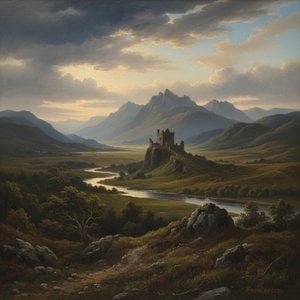
Deer Forest
 Romanticism
 1845
1845 25.0 x 40.0 cm
 The National Trust For Scotland
 Preberi več
Ročno izdelana oljna reprodukcija
Ročno slikano olje na platnu v vaši izbiri velikosti in okvirja, izdelano po naročilu naših umetnikov. ( Preklop na tiskanine Preklop na digitalno sliko)




































Izberite eno od naših vnaprej določenih velikosti, ki ustrezajo prvotnim proporcijam umetničkega dela.

Vnesite širino in višino, ki jih potrebujete, da se slika prilega vašemu okviru ali steni. Ker je delo ročno slikano, lahko umetnik pri različnih oblikih slik pri robovih doda malo več barve ali pa jih malo odreže — izberite sami. Pred začetkom slikanja vam pošljemo digitalni predogled za potrditev. Slika, prikazana na tej strani, ni končni rezultat — le predogled prikazuje dejansko podobo.
Po oddaji naročila bo ekipa ArtsDot.com stranki po e-pošti poslala navodila in predogled digitalnega predogleda.
Mednarodna dostava () v 3/4 tednih namesto običajnih 5 tednov. (22 oktober). Brez kompromisov pri kakovosti.

Brezplačna ekspresna dostava po vsem svetu

Visokokakovostno laneno platno

Popolno zavarovanje pošiljke

Garancija povračila carine in uvoznih davkov

Garancija popolnega barvnega ujemanja

Politika vračila v 100 dneh (le v primeru okvar)

Garancija 100% povračila denarja

Popust pri večjem naročilu
 Možnost stekla je na voljo le za velikosti pod 110 cm

Deer Forest
Tehnika reprodukcije
Velikost reprodukcije
-


Skupna cena
€ 230
Composition and Style
The composition of the painting is characterized by the use of tall trees with green leaves, creating a lush atmosphere. In the background, a mountain range adds to the picturesque scene, while the cloudy sky above contributes to the overall mood of the painting. The combination of these elements creates a sense of tranquility and natural beauty that is characteristic of James Giles' artwork. For more information on James Giles and his paintings, visit /art/list/?Filter=AQSALF-James-Giles-Deer-Forest.Similar Artists and Paintings
Other artists, such as Asher Brown Durand, have also created notable landscape paintings. For example, Asher Brown Durand's Shandaken Range, Kingston is a masterpiece of American landscape art. To learn more about Asher Brown Durand and his work, visit /art/list/?Filter=asher+brown+durand,asher,brown,durand&.- Handmade oil paintings reproductions of famous artworks like Deer Forest can be found on https://ArtsDot.com.
- Discover the artworks of other notable artists, such as Archibald Henry Swinton, at https://ArtsDot.com/@/Archibald-Henry-Swinton.
The Deer Forest painting by James Giles is a remarkable piece of art that showcases the artist's skill in capturing the beauty of nature. With its serene landscape and picturesque composition, this painting is a must-see for anyone interested in landscape art.
Vprašanja in odgovori
Ali so barve dela "Deer Forest" avtorja James Giles nasičene ali utemeljene?
Barve dela "Deer Forest" avtorja James Giles imajo Subtle Color zasičenost. Zasičenost opisuje, kako živahne ali utišane so barve.
Kako "Deer Forest" uravновеža svetlo in temno?
"Deer Forest" avtorja James Giles je zabeležen z jasnostjo shadow in luminanco Soft Shadow.
V katero obdobje James Gilesove kariere spada "Deer Forest", glede na datum njegove powstale?
"Deer Forest", ustvarjeno leta 1845, pripada Mature Period v karieri umetnika James Giles.
Sorodna umetniška dela


Biografija umetnika
James Giles: Vizionarski umetnik서서늘한서늘한Highlands
Ime James William Giles (1801–1870) ni bilo tisto, ki bi prevladovalo v veličastnih dvoranah Kraljeve akademije v Londonu, niti so njegova platna takoj pritegnila pozornost pariznega sveta umetnosti. Vendar pa je v srcu Škotske, še posebej v Aberdeenu, negoval edinstven in globoko vzburjljiv slog – slog, ki je s skoraj melankolično eleganco zajel neukostno lepoto서서늘한Highlands. V svojem bistvu je bil slikar atmosfere, svetlobe, ki se prežira skozi gore zavite v meglo, in tihe dostojnosti starodavnih grajev, ki stojijo kot stražarji pred neskončnostjo škotske pokrajine. Njegovo dedstvo ne leži v grozljivih izpostavah ali slavnih pokroviteljstvih, temveč v globoko osebni in izjemno dosledni tvorbi, ki še danes odmeva v dušah gledalcev.
Giles je bil leta 1801 rojen v Glasgowu, njegovo zgodnje življenje pa je po očetovi smrti zaznamovalo težko obdobje. Zaradi potrebe po prispevku v družinski proračun že v mladosti je svoje umetniške veščine izpiloval skozi samostojno učenje in zasebne pouke, s čemer je pokazal vroden talent, ki je hitro presegel zgolj tehnično dovršenost. Njegova povezava z tekstilno industrijo – njegov oče je delal kot oblikovalec za platno – mu je vplivala izrazito oko za barvo in vzorec, kar je kasneje njegove pejzažne slike obogatilo z subtilnimi premiki odtenkov in tekstur. Ko se je okoli leta 1805 preselil v Aberdeen, je tam našel plodno tla za umetniški razvoj, se poglobil v živahno kulturno dogajanje mesta in ustanovil studio, kjer se je začel razvijati njegov prepoznavni slog.
Vpliv Italije in pejzaža서서늘한Highlands
Gilesovo umetniško pot je ključno spremenila potovanje v Italijo sredini 20. let. Ta dolgotrajna izkušnja se je izkazala za preobrazbno, saj ga je približila vrhunskim delom starih mojstrov – Rafaelu, Michelangelu in Tizianu – ter globoko vplivala na njegov pristop k kompoziciji, barvi in svetlobi. Z gosto kopiranjem številnih slik ni izvajal le tehničnih vaj, temveč je skozi to absorbiral njihovo bistvo ter se učil, kako so prikazovali vzdušje in čustva. Ob vrnitvi v Škotsko je prinesel obnovljeno smiselnost in izboljšano sposobnost, da je dramatično pokrajino서서늘한Highlands prenese na platno. Ključno je bilo, da njegova italijanska izkušnja ni vodila v slepo imitacijo klasičnih slogov; namesto tega mu je nudila sofisticirano razumevanje umetniških načel, ki jih je nato unikatno uporabil pri svojih škotskih motivih.
Njegove teme so bile predvsem pejzaži – neukostne gore Deeside, valoviti griči Aberdeenshireja in dramatična obala. Ni bila njegova zanimanje velike razglede ali heroične scene; raje je iskal intimne trenutke – samotnega pastirja pod nebeom, ki se vre«, uničen grad zavit v meglo ali potok, ki se vije skozi glog. Pogosto je te prizore prikazoval v obdobjih slabega vremena – v dežju, megli in snegu – s čimer jim je podelil občutek osamljenosti in melanholije. Ta prednost atmosfere je postala značilnost njegovega sloga in prisadka k nepozabni lepoti njegovih slik.
Kralni posegi in umetniško priznanje
Gilesov talent je hitro dobil priznanje v aristokratskih krogih Škotske. Obzadana je bila za slikanje številnih pejzažev za prestižne družine, vključno z grofi iz Aberdeena in Sutherlanda, kar mu je zagotovilo udobno življenje in utrdilo ugled spretnega ter zanesljivega umetnika. Morda najpomembnejše pa je, da je sama kraljica Victoria postala njegova pokroviteljka, saj je naročila več slik gradu Balmoral – posestv, ki jo je pridobila leta 1848. Gilesov prikaz starega gradu, ki predhaja velikemu viktorijanskemu preoblikovanju, je posebej vreden pozornosti zaradi svoje zvestobe prvotni strukturi in evokativnega prikaza okolice. To kraljevsko pokroviteljstvo je utrdilo njegov položaj med najbolj spoštovanimi škotskimi umetniki.
Leta 1829 je bil izvoljen za akademičnika Kralne škotske akademije, kar je bila prestižna čast, ki je še dodatno potrdila njegove umetniške dosežke. Skozi svojo kariero je še naprej razstavljal svoja dela tako v Kralni škotski akademiji kot v Britanski instituciji v Londonu, pri čemer je stalno prejemal pozitivne kritike za svoje atmosferične pejzaže in spretno prikazovanje svetlobe in barve. Njegove pozne leta so zaznamala predanost dokumentiranju starodavnih grajev Aberdeenshireja, kar je vrhunec predstavljalo objavo zbirke »Risbe grajev Aberdeenshireja« (138-1855), kolekcije natančno izdelanih akvaretnih skic, ki so še danes visoko cenjene zaradi svoje umetnične vrednosti in zgodovinske pomembnosti.
Trajna dediščina
James Giles je v Aberdeenu umrl leta 1870, za seboj pa je pustil obsežno tvorbo, ki odraža njegovo globoko povezanost s škotsko pokrajino. Čeprav morda ni tako široko slavljen kot nekateri njegovi sodobniki, imajo njegove slike tiho moč in čustveno resonanco, ki še danes očarajo gledalce. Njegova sposobnost zajema bistva vzdušja서서늘한Highlands – gora zavitih v meglo, vreajočega neba in občutka brezčasne osamljenosti – ga postavlja med najpomembnejše škotske pejzažne slikarje. Njegovo del stoji kot spomenik trajni lepoti škotskih서서늘한Highlands in umetniški viziji človeka, ki je svoje življenje posvetil zajemanju njihovega duha na platno.

James Giles
1801 - 1870 , Škotija
Ključne informacije
- Artistic Movement Or Style: Predmetno slikarstvo
- Artists Or Movements Influenced By This Artist: ['Turner']
- Artists Who Influenced This Artist: ['Jean-François Regnault']
- Date Of Birth: 4. januar 1801
- Date Of Death: 6. oktober 1870
- Full Name: James William Giles
- Nationality: Škotski
- Notable Artworks:
- Slika gradu Balmoral
- Risbe zamkov v Aberdeenu
- Place Of Birth: Glasgow, Škotska
Sorodni članki

Romantična pokrajina: 10 mojstrovin, ki so definirale gibanje | Umetnost za vaš dom z ArtsDot.com
Odkrijte 10 mojstrovin romantizma v slikarstvu! Caspar David Friedrich, Turner in drugi. Preučite zgodbe, tehnike in čustva teh ikoničnih krajinskih slik. Kvalitetne reprodukcije za vaš dom na ArtsDot.com
Alexander Nasmyth: Picturing Scotland's Romantic Landscape – Innovation & Identity
Explore the life & art of Alexander Nasmyth, a pivotal figure in Scottish Romantic landscape painting. Discover his iconic works, including portraits of Robert Burns, and learn about his lasting influence on national identity. Fine art reproductions available.

James Abbott McNeill Whistler: 25 Mojstrovskih Del za Navdih v Vašem Domu
Odkrijte 25 mojstrovskih del Jamesa Abbotta McNeilla Whistlerja! Preučite zgodbe, tehnike in navdih za njegove ikonične nocturne, portrete in dela estetizma. Najboljše reprodukcije slik online na ArtsDot.com – umetnost za vaš dom.

Sir Alfred Munnings' Masterpieces: 25 Paintings That Define Equine Art | ArtsDot
Explore 25 iconic Sir Alfred Munnings paintings! Discover the beauty of British Impressionism, equine art & rural England. Find museum-quality reproductions and elevate your home decor with ArtsDot. Explore the full collection online.

James Giles: Capturing Scottish Life Through the Lens of British Realism
Explore the life & work of James Giles (1801-1870), a master of Scottish landscape painting and favored artist of Queen Victoria. Discover his atmospheric realism & royal commissions.