


 Preverite v realnem okolju
 Pošlji kot čestitko
 Deli
Deli
 Podrobnosti
 Priročnik

 Prenesi
 Podobni artefakti
 Rentgenski posnetek
 Predvajaj diaporama
 Statistika
The lamps

 Preberi več
Ročno izdelana oljna reprodukcija
Ročno slikano olje na platnu v vaši izbiri velikosti in okvirja, izdelano po naročilu naših umetnikov. ( Preklop na tiskanine Preklop na digitalno sliko)




P118B €10

P118H €10

P118W €10

P438Z €10

P508JH €12

P508YH €12

P805H €10

P805Z €10

P919BZ €10

P919G €10

P919XJ €10

P959ZH €10

P968JZ €12

W106C €8

W218G €10

W218JH €8

W218Y €10

W307PJ €10

W316G €10

W316PJ €8

W316Y €10

W398PJ €8

W4111J €10

W500HY €15

W500JH €15

W692G €12

W849H €8

W940BG €15

W953PJ €8




Izberite eno od naših vnaprej določenih velikosti, ki ustrezajo prvotnim proporcijam umetničkega dela.

Vnesite širino in višino, ki jih potrebujete, da se slika prilega vašemu okviru ali steni. Ker je delo ročno slikano, lahko umetnik pri različnih oblikih slik pri robovih doda malo več barve ali pa jih malo odreže — izberite sami. Pred začetkom slikanja vam pošljemo digitalni predogled za potrditev. Slika, prikazana na tej strani, ni končni rezultat — le predogled prikazuje dejansko podobo.
Po oddaji naročila bo ekipa ArtsDot.com stranki po e-pošti poslala navodila in predogled digitalnega predogleda.
Mednarodna dostava () v 3/4 tednih namesto običajnih 5 tednov. (24 oktober). Brez kompromisov pri kakovosti.

Brezplačna ekspresna dostava po vsem svetu

Visokokakovostno laneno platno

Popolno zavarovanje pošiljke

Garancija povračila carine in uvoznih davkov

Garancija popolnega barvnega ujemanja

Politika vračila v 100 dneh (le v primeru okvar)

Garancija 100% povračila denarja

Popust pri večjem naročilu
 Možnost stekla je na voljo le za velikosti pod 110 cm

The lamps
Tehnika reprodukcije
Velikost reprodukcije
-


Skupna cena
€ 231
James Ensor’s “The Lamps”: A Study in Unease and Symbolism
James Ensor (1860-1949), a Belgian painter who irrevocably shaped the landscape of Expressionist art, remains an artist whose unsettling visions continue to fascinate audiences today. His oeuvre is characterized by a preoccupation with masks—both literal and figurative—and imbued with a palpable sense of melancholy and psychological depth. “The Lamps,” completed in 1880, exemplifies Ensor’s distinctive style and offers a compelling glimpse into his artistic concerns during the formative years of his career. This unassuming depiction of a domestic interior belies a profound exploration of themes relating to mortality, isolation, and the anxieties inherent in modern life.Composition and Technique: A Deliberate Discomfort
The painting presents a starkly lit room dominated by a central table upon which several objects are arranged—a table that immediately draws the eye with its carefully positioned lamps. Two lamps stand on either side of it, one slightly to the left and another towards the right, casting pools of light that illuminate the surrounding space. Scattered around the table are three bottles – one centrally located, another at the far right, and a third subtly above the middle—creating an asymmetrical composition that contributes to the overall feeling of unease. A single chair sits close to the left edge of the canvas, anchoring the scene but simultaneously emphasizing the emptiness within it. Ensor employed oil paint on cardboard, applying thick impasto strokes with meticulous attention to detail. The textured surface captures the play of light and shadow, enhancing the dramatic effect of the artwork. This technique—characteristic of Ensor’s style—was instrumental in conveying his emotional intensity and reinforcing the painting's unsettling atmosphere.Historical Context: Impressionism’s Shadow
“The Lamps” emerged during a period marked by significant artistic experimentation following the Impressionist movement. While Impressionists sought to capture fleeting moments of beauty and sensory experience, Ensor deliberately rejected this aesthetic ideal, opting instead for a darker, more psychologically charged vision. Influenced by Symbolist artists like Gustave Moreau and Edvard Munch—artists who similarly explored themes of darkness, fear, and psychological torment—Ensor pushed the boundaries of artistic convention. The painting reflects anxieties prevalent in late Victorian society regarding death, decay, and the loss of innocence – concerns that resonated deeply with Ensor’s own worldview.Symbolism: Masks Beneath the Surface
Beyond its formal qualities, “The Lamps” is laden with symbolic significance. The lamps themselves represent illumination—but not necessarily enlightenment—suggesting a futile attempt to dispel darkness or confront uncomfortable truths. Their positioning contributes to the painting's claustrophobic atmosphere and underscores the isolation of the depicted figure. The bottles could symbolize containment – perhaps representing bottled-up emotions or repressed desires. Furthermore, Ensor’s masterful use of chiaroscuro—the dramatic contrast between light and dark—amplifies these symbolic resonances. Like many of Ensor’s paintings, “The Lamps” invites contemplation on the darker aspects of human experience and challenges viewers to confront their own anxieties about mortality and existence.Emotional Impact: A Portrait of Existential Dread
“The Lamps” possesses a visceral emotional impact that transcends its seemingly simple subject matter. The painting evokes feelings of melancholy, apprehension, and profound solitude—themes central to Ensor’s artistic exploration of the human condition. It is not merely a depiction of a room; it's a psychological portrait capturing the pervasive sense of dread that characterizes modern life. Viewing “The Lamps” compels us to confront uncomfortable questions about our place in the universe and acknowledges the inescapable presence of darkness within even the most familiar surroundings. Its enduring power lies in its ability to unsettle viewers while simultaneously prompting reflection on fundamental existential concerns—a testament to James Ensor’s genius as a visionary artist.Vprašanja in odgovori
Kakšno vzdušje in čustvo se prepletata v "The lamps"?
Zapisani vzdušje dela "The lamps" avtorja James Ensor je Dramatic, njegov čustveni ton pa je Somber.
Katera velikost reprodukcije se priporoča za "The lamps" avtorja James Ensor?
Za delo "The lamps" priporočamo tisk v velikosti Large. Na voljo so tudi druge velikosti z istimi proporcijami.
Za katero so "The lamps" avtorja James Ensor priporočena?
Priporočena prostorina za "The lamps" avtorja James Ensor je Living Room. Ta predlog je lahko seveda prilagojen vašemu notranjemu opremanju.
Sorodna umetniška dela


Biografija umetnika
James Ensor: A Pioneer of Expressionism and Surrealism
James Sidney Edouard Ensor (Ostend, 13 April 1860-19 November 1949) was a Belgian painter and printmaker who stands as one of the most influential figures in the development of Expressionism and Surrealism. Born into an English father and Belgian mother—a duality that profoundly shaped his artistic worldview—Ensor defied convention from the outset, rejecting academic formalism and embracing unsettling imagery rooted in psychological exploration.
Early Influences and Artistic Training
His formative years were marked by exposure to Ostend’s vibrant seaside atmosphere and his parents’ souvenir shop, which stocked exotic objects and carnival masks – stimuli that ignited his imagination and instilled a lifelong fascination with disguise. Ensor pursued formal artistic training at the Académie Royale des Beaux-Arts in Brussels, where he encountered fellow artists like Fernand Khnopff and Theo Van Rysselberghe—connections that fostered intellectual debate and propelled him beyond traditional boundaries.
A Shift Towards Grotesque Visionary Art
Around 1886-1889 Ensor embarked on a transformative stylistic journey, abandoning Impressionistic ideals for Expressionist techniques characterized by bold brushwork and vibrant color palettes. Influenced by Rembrandt’s masterful use of chiaroscuro, Francisco Goya’s unflinching depictions of human suffering, and Japanese woodcuts—a fascination with visual symbolism—Ensor developed a distinctive iconography focused on grotesque figures and unsettling narratives.
Key Masterpieces and Recurring Themes
His most celebrated works – including *Christ's Entry into Brussels* (1888-1889), *The Scandalized Masks* (1883) and *Skeletons Fighting over a Hanged Man* (1891) – exemplify Ensor’s commitment to confronting uncomfortable truths about human psychology and societal hypocrisy. Recurring themes throughout his oeuvre include death, decay, social critique, religious satire, and the boundless potential of imagination—elements that continue to resonate with audiences today.
Legacy and Influence
James Ensor's uncompromising artistic vision solidified his position as a pivotal innovator in modern art, paving the way for Expressionist artists like Edvard Munch and Surrealists like René Magritte. His rejection of academic conventions and embrace of psychological depth profoundly impacted subsequent generations of painters—establishing him as an enduring symbol of artistic rebellion and intellectual courage.

James Ensor
1860 - 1949 , Belgija
Ključne informacije
- Artistic Movement Or Style: Expressionism, Surrealism
- Artists Who Influenced This Artist:
- Pieter Bruegel the Elder
- Francisco Goya
- Whistler
- Date Of Birth: April 13, 1860
- Date Of Death: November 19, 1949
- Full Name: James Sidney Edouard Ensor
- Nationality: Belgian
- Notable Artworks:
- The Scandalized Masks
- Skeletons Fighting...
- Christ's Entry into Brussels
- Place Of Birth: Ostend, Belgium
Sorodni članki

James Abbott McNeill Whistler: 25 Mojstrovskih Del za Navdih v Vašem Domu
Odkrijte 25 mojstrovskih del Jamesa Abbotta McNeilla Whistlerja! Preučite zgodbe, tehnike in navdih za njegove ikonične nocturne, portrete in dela estetizma. Najboljše reprodukcije slik online na ArtsDot.com – umetnost za vaš dom.

Unlocking Emotion: A Beginner's Guide to the Raw Power of Symbolic Expressionism Art
Discover the raw emotion of Symbolic Expressionism. Our expert guide explores how masters like Munch use color and form to convey inner feelings, offering inspiration for collectors looking to bring powerful, soulful art into their modern homes.

Sir Alfred Munnings' Masterpieces: 25 Paintings That Define Equine Art | ArtsDot
Explore 25 iconic Sir Alfred Munnings paintings! Discover the beauty of British Impressionism, equine art & rural England. Find museum-quality reproductions and elevate your home decor with ArtsDot. Explore the full collection online.

James Ensor's Grotesque Visions: Social Commentary & Artistic Innovation
Explore the unsettling yet captivating world of James Ensor, a pioneer of Expressionism. Discover his satirical masterpieces, symbolic imagery & lasting influence on modern art. High-quality reproductions available at ArtsDot.
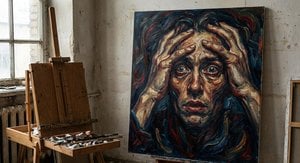
Figurative Expressionism: Emotional Intensity & Subjective Reality in 20th-Century Art
Explore the powerful world of Figurative Expressionism with ArtsDot. Discover key artists like Kirchner & Beckmann, understand its emotional depth, and learn how to collect this influential 20th-century art movement.


