


 Preverite v realnem okolju
 Pošlji kot čestitko
 Deli
Deli
 Podrobnosti
 Priročnik

 Prenesi
 Podobni artefakti
 Rentgenski posnetek
 Predvajaj diaporama
 Statistika
The Bourgeois Salon

 Preberi več
Giclée tisk / Umetniški tisk
Giclée ali platnati odtis muzejske kakovosti z hitro proizvodnjo in prilagodljivimi možnostmi končne obdelave. ( Naročite ročno slikano reprodukcijo Preklop na digitalno sliko)




P118B €10

P118H €10

P118W €10

P438Z €10

P508JH €12

P508YH €12

P805H €10

P805Z €10

P919BZ €10

P919G €10

P919XJ €10

P959ZH €10

P968JZ €12

W106C €8

W218G €10

W218JH €8

W218Y €10

W307PJ €10

W316G €10

W316PJ €8

W316Y €10

W398PJ €8

W4111J €10

W500HY €15

W500JH €15

W692G €12

W849H €8

W940BG €15

W953PJ €8




Izberite eno od naših vnaprej določenih velikosti, ki ustrezajo prvotnim proporcijam umetničkega dela.

Vnesite širino in višino, ki jih potrebujete za svoj okvir ali steno. Tiskanje se lahko le odreže, vendar ga ni mogoče narediti večjega od slike, zato format z drugačno obliko pomeni izgubo dela slike. Pred tiskanjem vam pošljemo digitalni predogled za potrditev. Slika, prikazana na tej strani, ne prikazuje dejanskega izrezkov — le predogled to omogoča.
Globalna dostava () v 2 tednih namesto standardnih 4/5 tednov. (22 oktober)

Brezplačna ekspresna dostava po vsem svetu

Visokokakovostno laneno platno

Popolno zavarovanje pošiljke

Garancija povračila carine in uvoznih davkov

Garancija popolnega barvnega ujemanja

Politika vračila v 100 dneh (le v primeru okvar)

Garancija 100% povračila denarja

Popust pri večjem naročilu
 Možnost stekla je na voljo le za velikosti pod 110 cm

The Bourgeois Salon
Giclée tisk / Umetniški tisk
Velikost reprodukcije
-


Skupna cena
€ 54
A Portrait of Domestic Tranquility Disrupted: James Ensor’s The Bourgeois Salon
James Ensor's “The Bourgeois Salon,” painted in 1881, isn’t merely a depiction of an interior; it’s a meticulously crafted meditation on societal anxieties and the suffocating constraints of bourgeois respectability. This striking oil painting exemplifies Expressionism, prioritizing raw emotion over photographic realism—a bold departure from the prevailing artistic trends of its time. As showcased prominently on ArtsDot.com, Ensor presents us with a scene bathed in muted light, dominated by a woman seated alone in a chair, absorbed in reading. The room itself is furnished with understated elegance – pale textiles, velvety blues, and gilded accents – yet beneath the veneer of refinement lurks an unsettling stillness.- Composition & Style: Ensor’s masterful use of light—primarily emanating from a window—creates a dramatic interplay between illumination and shadow. This technique isn't simply decorative; it serves to heighten the psychological tension within the canvas. The diffused light casts elongated shadows, emphasizing the woman’s isolation and subtly hinting at hidden anxieties.
- Technique: Ensor employed a thick impasto brushstroke—a hallmark of Expressionist painting—to build up layers of pigment onto the surface. This textural approach lends physicality to the scene, mirroring the emotional intensity he sought to convey. The artist’s meticulous attention to detail is evident in the rendering of fabrics and furnishings, contributing to the overall sense of realism despite its emotionally charged atmosphere.
Historical Context: Embracing Discomfort – Ensor's Place Within Expressionism
James Ensor stands as a pivotal figure in the burgeoning Expressionist movement, alongside artists like Edvard Munch and Ernst Ludwig Kirchner. Influenced by Impressionism’s exploration of light and color, Ensor pushed beyond mere visual representation to delve into the subconscious mind—a preoccupation that would characterize much of his oeuvre. The painting emerged during a period marked by social upheaval and intellectual ferment; anxieties surrounding societal norms and the pressures of conformity fueled artistic experimentation. As documented in scholarly articles published by the Royal Museum of Fine Arts Antwerp, Ensor’s work resonated deeply with audiences grappling with similar concerns.- Influence: Ensor's stylistic choices—particularly his distorted figures and unsettling color palettes—directly challenged the conventions of academic art. He sought to capture not just what he saw but how he *felt*, reflecting a broader cultural shift toward psychological exploration.
- Reception: Initially met with skepticism, Ensor’s paintings gradually gained recognition for their uncompromising honesty and artistic innovation. His work was acquired by prestigious institutions like the Royal Museums of Fine Arts of Belgium, cementing his legacy as one of the most important artists of his generation.
Symbolism Beneath the Surface: Masks and Isolation
The woman reading in “The Bourgeois Salon” is arguably Ensor’s central motif—a figure draped in shadow, embodying both vulnerability and detachment. The mask she wears isn't a literal one but represents the hidden anxieties and unspoken truths concealed beneath the façade of bourgeois respectability. This recurring symbol reflects Ensor’s broader preoccupation with identity and disguise, themes that permeate his entire artistic output. As explored on ArtsDot.com, the painting invites contemplation about the human condition—the yearning for connection juxtaposed against the pervasive sense of isolation.- Interpretation: The woman's downward gaze symbolizes introspection and a retreat from external pressures. Her solitary presence underscores the stifling atmosphere of the salon, highlighting the psychological toll exacted by societal expectations.
- Overall Mood: Ensor’s masterful manipulation of light and color contributes to an unsettling mood—one that lingers long after viewing the artwork. It's a portrait not just of a room but of a state of mind—a poignant reminder of the anxieties inherent in striving for social acceptance.
Emotional Resonance: An Invitation to Reflection
“The Bourgeois Salon” transcends mere visual representation; it compels viewers to confront uncomfortable truths about human behavior and societal dynamics. Its enduring appeal lies in its ability to evoke a profound emotional response—a feeling of unease mingled with empathy for the woman’s predicament. As celebrated by art critics and historians alike, Ensor's painting continues to inspire artists and collectors who appreciate its uncompromising vision. A high-quality reproduction offers an opportunity to immerse oneself in this captivating artwork and contemplate its timeless themes.Vprašanja in odgovori
Ali je "The Bourgeois Salon" avtorja James Ensor portretna, krajinska ali kvadratna kompozicija?
"The Bourgeois Salon" avtorja James Ensor je Portrait kompozicija. Pred izbiro velikosti tiska je priporočljivo preveriti njene proporcije.
Ali so barve dela "The Bourgeois Salon" močne ali nežne?
"The Bourgeois Salon" avtorja James Ensor prikazuje Monochromatic intenzivnost barv.
Kaj prikazuje "The Bourgeois Salon" avtorja James Ensor in kakšen vzdušje prizadeva?
"The Bourgeois Salon" avtorja James Ensor združuje salon interior, dim lighting, woman reading, furniture arrangement, carnival masks, belgium art, symbolism, domestic scene z Dramatic vzdušjem.
Sorodna umetniška dela


Biografija umetnika
James Ensor: A Pioneer of Expressionism and Surrealism
James Sidney Edouard Ensor (Ostend, 13 April 1860-19 November 1949) was a Belgian painter and printmaker who stands as one of the most influential figures in the development of Expressionism and Surrealism. Born into an English father and Belgian mother—a duality that profoundly shaped his artistic worldview—Ensor defied convention from the outset, rejecting academic formalism and embracing unsettling imagery rooted in psychological exploration.
Early Influences and Artistic Training
His formative years were marked by exposure to Ostend’s vibrant seaside atmosphere and his parents’ souvenir shop, which stocked exotic objects and carnival masks – stimuli that ignited his imagination and instilled a lifelong fascination with disguise. Ensor pursued formal artistic training at the Académie Royale des Beaux-Arts in Brussels, where he encountered fellow artists like Fernand Khnopff and Theo Van Rysselberghe—connections that fostered intellectual debate and propelled him beyond traditional boundaries.
A Shift Towards Grotesque Visionary Art
Around 1886-1889 Ensor embarked on a transformative stylistic journey, abandoning Impressionistic ideals for Expressionist techniques characterized by bold brushwork and vibrant color palettes. Influenced by Rembrandt’s masterful use of chiaroscuro, Francisco Goya’s unflinching depictions of human suffering, and Japanese woodcuts—a fascination with visual symbolism—Ensor developed a distinctive iconography focused on grotesque figures and unsettling narratives.
Key Masterpieces and Recurring Themes
His most celebrated works – including *Christ's Entry into Brussels* (1888-1889), *The Scandalized Masks* (1883) and *Skeletons Fighting over a Hanged Man* (1891) – exemplify Ensor’s commitment to confronting uncomfortable truths about human psychology and societal hypocrisy. Recurring themes throughout his oeuvre include death, decay, social critique, religious satire, and the boundless potential of imagination—elements that continue to resonate with audiences today.
Legacy and Influence
James Ensor's uncompromising artistic vision solidified his position as a pivotal innovator in modern art, paving the way for Expressionist artists like Edvard Munch and Surrealists like René Magritte. His rejection of academic conventions and embrace of psychological depth profoundly impacted subsequent generations of painters—establishing him as an enduring symbol of artistic rebellion and intellectual courage.

James Ensor
1860 - 1949 , Belgija
Ključne informacije
- Artistic Movement Or Style: Expressionism, Surrealism
- Artists Who Influenced This Artist:
- Pieter Bruegel the Elder
- Francisco Goya
- Whistler
- Date Of Birth: April 13, 1860
- Date Of Death: November 19, 1949
- Full Name: James Sidney Edouard Ensor
- Nationality: Belgian
- Notable Artworks:
- The Scandalized Masks
- Skeletons Fighting...
- Christ's Entry into Brussels
- Place Of Birth: Ostend, Belgium
Sorodni članki

Sir Alfred Munnings' Masterpieces: 25 Paintings That Define Equine Art | ArtsDot
Explore 25 iconic Sir Alfred Munnings paintings! Discover the beauty of British Impressionism, equine art & rural England. Find museum-quality reproductions and elevate your home decor with ArtsDot. Explore the full collection online.

James Abbott McNeill Whistler: 25 Mojstrovskih Del za Navdih v Vašem Domu
Odkrijte 25 mojstrovskih del Jamesa Abbotta McNeilla Whistlerja! Preučite zgodbe, tehnike in navdih za njegove ikonične nocturne, portrete in dela estetizma. Najboljše reprodukcije slik online na ArtsDot.com – umetnost za vaš dom.

The Raw Emotion of Expressionism: A Deep Dive into its History, Characteristics & Enduring Influence
Explore the raw emotion of Expressionism with ArtsDot. Discover its history, key artists like Kirchner & Munch, and lasting influence on modern art. Expert insights for collectors & enthusiasts.

James Ensor's Grotesque Visions: Social Commentary & Artistic Innovation
Explore the unsettling yet captivating world of James Ensor, a pioneer of Expressionism. Discover his satirical masterpieces, symbolic imagery & lasting influence on modern art. High-quality reproductions available at ArtsDot.
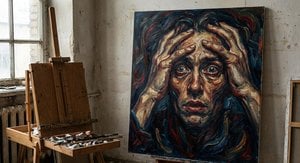
Figurative Expressionism: Emotional Intensity & Subjective Reality in 20th-Century Art
Explore the powerful world of Figurative Expressionism with ArtsDot. Discover key artists like Kirchner & Beckmann, understand its emotional depth, and learn how to collect this influential 20th-century art movement.


