

 Predogled v realnem okolju
 Pošlji
 Deli
Deli
 Podrobnosti o delu
 Priročnik

 Prenesi sliko
 Podobni izdelki
 Rentgenski posnetek
 Predvajaj diaporama
 Vprašanja in odgovori
 Statistika
Squelette regardant des chinoiseries


 Preberi več
Giclée tisk / Umetniški tisk
Giclée ali platnati odtis muzejske kakovosti z hitro proizvodnjo in prilagodljivimi možnostmi končne obdelave. ( Kupite ročno slikano delo Preklop na digitalno sliko)




P118B €10

P118H €10

P118W €10

P438Z €10

P508JH €12

P508YH €12

P805H €10

P805Z €10

P919BZ €10

P919G €10

P919XJ €10

P959ZH €10

P968JZ €12

W106C €8

W218G €10

W218JH €8

W218Y €10

W307PJ €10

W316G €10

W316PJ €8

W316Y €10

W398PJ €8

W4111J €10

W500HY €15

W500JH €15

W692G €12

W849H €8

W940BG €15

W953PJ €8




Izberite eno od naših vnaprej določenih velikosti, ki ustrezajo prvotnim proporcijam umetničkega dela.

Vnesite širino in višino, ki jih potrebujete za svoj okvir ali steno. Tiskanje se lahko le odreže, vendar ga ni mogoče narediti večjega od slike, zato format z drugačno obliko pomeni izgubo dela slike. Pred tiskanjem vam pošljemo digitalni predogled za potrditev. Slika, prikazana na tej strani, ne prikazuje dejanskega izrezka — le predogled to omogoča.
Globalna dostava () v 2 tednih namesto standardnih 4/5 tednov. (4 november)

Brezplačna ekspresna dostava po vsem svetu

Visokokakovostno laneno platno

Popolno zavarovanje pošiljke

Garancija povračila carine in uvoznih davkov

Garancija popolnega barvnega ujemanja

100-dnevna politika vračil (le v primeru okvar)

Garancija 100% povračila denarja

Popust pri večjem naročilu
 Možnost stekla je na voljo le za velikosti pod 110 cm

Squelette regardant des chinoiseries
Giclée tisk / Umetniški tisk
Velikost reprodukcije
-


Skupna cena
€ 56
A Haunting Encounter with Mortality
In the quiet, monochrome depths of James Ensor’s "Squelette regardant des chinoiseries," we are invited into a space that feels simultaneously intimate and profoundly unsettling. Painted around 1908, this masterful composition transcends a mere depiction of a domestic interior to become a psychological landscape. At first glance, the viewer encounters a room furnished with the familiar comforts of a bourgeois home—a couch, a chair, and the silent companionship of two dogs. Yet, as the eye adjusts to the starkness of the scene, the presence of a skeletal figure emerges, gazing intently at decorative chinoiserie panels. This juxtaposition of the domestic and the macabre creates a tension that is quintessential to Ensor’s vision, forcing us to confront the inescapable reality of death amidst the fleeting beauty of worldly possessions.
The technique employed here is nothing short of hypnotic. Eschewing the vibrant palettes often associated with late 19th-century art, Ensor utilizes a bold black ink wash that lends the work an almost sculptural quality. The absence of color serves to amplify the emotional weight of the subject matter; without the distraction of hue, the viewer is left to navigate the textures of light and shadow. The artist’s hand is visible in the varying gradations of the wash, ranging from smooth, ghostly transitions to jagged, anxious lines that mirror the internal unrest of the scene. For the collector or designer, this piece offers a sophisticated monochromatic elegance, providing a focal point that commands attention through its depth and structural intensity rather than through overt ornamentation.
The Intersection of Tradition and Modern Anxiety
To understand the profound impact of this work, one must look toward the cultural ferment of the early 20th century. Ensor was working during an era of immense transition, where the fascination with Eastern aesthetics—specifically chinoiserie—acted as a decorative counterpoint to Western traditions. By placing a skeletal figure in contemplation of these exotic, delicate patterns, Ensor highlights a poignant dialogue between the permanent and the ephemeral. The chinoiserie represents the height of ornamental luxury and cultural curiosity, while the skeleton serves as a memento mori, a stark reminder that even the most exquisite human creations are subject to the passage of time.
This thematic duality makes the artwork an extraordinary choice for those looking to infuse a space with intellectual and emotional resonance. It is not merely a decoration but a conversation piece that explores themes of isolation, memory, and the gaze. The way the skeletal figure is positioned—centrally yet subtly off-kilter—suggests a world slightly out of balance, inviting the observer to reflect on their own relationship with the transient nature of life. Whether placed in a contemporary gallery setting or a classic study, this reproduction carries with it the heavy, beautiful shadows of Ensor’s Belgian heritage, offering a timeless window into the human condition.
Vprašanja in odgovori
Kakšna je svetlobnost dela "Squelette regardant des chinoiseries" avtorja James Ensor?
Barve dela "Squelette regardant des chinoiseries" izkazujejo Soft Shadow luminanco.
Iz katerega zgodovinskega obdobja je "Squelette regardant des chinoiseries" avtorja James Ensor?
Delo "Squelette regardant des chinoiseries" avtorja James Ensor izvira iz obdobja Modern, ki predstavlja zgodovinski kontekst umetninine.
Ali je za "Squelette regardant des chinoiseries" avtorja James Ensor na voljo diaporama?
Na voljo je diaporama: stran Slidešov za delo "Squelette regardant des chinoiseries" avtorja James Ensor.
Sorodna umetniška dela


Biografija umetnika
James Ensor: A Pioneer of Expressionism and Surrealism
James Sidney Edouard Ensor (Ostend, 13 April 1860-19 November 1949) was a Belgian painter and printmaker who stands as one of the most influential figures in the development of Expressionism and Surrealism. Born into an English father and Belgian mother—a duality that profoundly shaped his artistic worldview—Ensor defied convention from the outset, rejecting academic formalism and embracing unsettling imagery rooted in psychological exploration.
Early Influences and Artistic Training
His formative years were marked by exposure to Ostend’s vibrant seaside atmosphere and his parents’ souvenir shop, which stocked exotic objects and carnival masks – stimuli that ignited his imagination and instilled a lifelong fascination with disguise. Ensor pursued formal artistic training at the Académie Royale des Beaux-Arts in Brussels, where he encountered fellow artists like Fernand Khnopff and Theo Van Rysselberghe—connections that fostered intellectual debate and propelled him beyond traditional boundaries.
A Shift Towards Grotesque Visionary Art
Around 1886-1889 Ensor embarked on a transformative stylistic journey, abandoning Impressionistic ideals for Expressionist techniques characterized by bold brushwork and vibrant color palettes. Influenced by Rembrandt’s masterful use of chiaroscuro, Francisco Goya’s unflinching depictions of human suffering, and Japanese woodcuts—a fascination with visual symbolism—Ensor developed a distinctive iconography focused on grotesque figures and unsettling narratives.
Key Masterpieces and Recurring Themes
His most celebrated works – including *Christ's Entry into Brussels* (1888-1889), *The Scandalized Masks* (1883) and *Skeletons Fighting over a Hanged Man* (1891) – exemplify Ensor’s commitment to confronting uncomfortable truths about human psychology and societal hypocrisy. Recurring themes throughout his oeuvre include death, decay, social critique, religious satire, and the boundless potential of imagination—elements that continue to resonate with audiences today.
Legacy and Influence
James Ensor's uncompromising artistic vision solidified his position as a pivotal innovator in modern art, paving the way for Expressionist artists like Edvard Munch and Surrealists like René Magritte. His rejection of academic conventions and embrace of psychological depth profoundly impacted subsequent generations of painters—establishing him as an enduring symbol of artistic rebellion and intellectual courage.

James Ensor
1860 - 1949 , Belgija
Hitri podatki
- Artistic Movement Or Style: Expressionism, Surrealism
- Artists Who Influenced This Artist:
- Pieter Bruegel the Elder
- Francisco Goya
- Whistler
- Date Of Birth: April 13, 1860
- Date Of Death: November 19, 1949
- Full Name: James Sidney Edouard Ensor
- Nationality: Belgian
- Notable Artworks:
- The Scandalized Masks
- Skeletons Fighting...
- Christ's Entry into Brussels
- Place Of Birth: Ostend, Belgium
Sorodni članki

James Ensor's Grotesque Visions: Social Commentary & Artistic Innovation
Explore the unsettling yet captivating world of James Ensor, a pioneer of Expressionism. Discover his satirical masterpieces, symbolic imagery & lasting influence on modern art. High-quality reproductions available at ArtsDot.

Unlocking Emotion: A Beginner's Guide to the Raw Power of Symbolic Expressionism Art
Discover the raw emotion of Symbolic Expressionism. Our expert guide explores how masters like Munch use color and form to convey inner feelings, offering inspiration for collectors looking to bring powerful, soulful art into their modern homes.
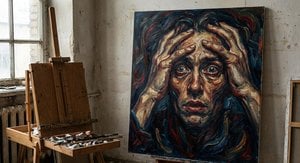
Figurative Expressionism: Emotional Intensity & Subjective Reality in 20th-Century Art
Explore the powerful world of Figurative Expressionism with ArtsDot. Discover key artists like Kirchner & Beckmann, understand its emotional depth, and learn how to collect this influential 20th-century art movement.

Masterpieces of the English Countryside: Top 25 Sir Alfred James Munnings Artworks
Explore 25 iconic Sir Alfred James Munnings masterpieces. Discover timeless equine art on ArtsDot.com.

James Abbott McNeill Whistler: 25 Mojstrovskih Del za Navdih v Vašem Domu
Odkrijte 25 mojstrovskih del Jamesa Abbotta McNeilla Whistlerja! Preučite zgodbe, tehnike in navdih za njegove ikonične nocturne, portrete in dela estetizma. Najboljše reprodukcije slik online na ArtsDot.com – umetnost za vaš dom.


