


 Preverite v realnem okolju
 Pošlji kot čestitko
 Deli
Deli
 Podrobnosti
 Priročnik

 Prenesi
 Podobni artefakti
 Rentgenski posnetek
 Predvajaj diaporama
 Statistika
Pivoines et pavots


 Preberi več
Ročno izdelana oljna reprodukcija
Ročno slikano olje na platnu v vaši izbiri velikosti in okvirja, izdelano po naročilu naših umetnikov. ( Preklop na tiskanine Preklop na digitalno sliko)




P118B €10

P118H €10

P118W €10

P438Z €10

P508JH €12

P508YH €12

P805H €10

P805Z €10

P919BZ €10

P919G €10

P919XJ €10

P959ZH €10

P968JZ €12

W106C €8

W218G €10

W218JH €8

W218Y €10

W307PJ €10

W316G €10

W316PJ €8

W316Y €10

W398PJ €8

W4111J €10

W500HY €15

W500JH €15

W692G €12

W849H €8

W940BG €15

W953PJ €8




Izberite eno od naših vnaprej določenih velikosti, ki ustrezajo prvotnim proporcijam umetničkega dela.

Vnesite širino in višino, ki jih potrebujete, da se slika prilega vašemu okviru ali steni. Ker je delo ročno slikano, lahko umetnik pri različnih oblikih slik pri robovih doda malo več barve ali pa jih malo odreže — izberite sami. Pred začetkom slikanja vam pošljemo digitalni predogled za potrditev. Slika, prikazana na tej strani, ni končni rezultat — le predogled prikazuje dejansko podobo.
Po oddaji naročila bo ekipa ArtsDot.com stranki po e-pošti poslala navodila in predogled digitalnega predogleda.
Mednarodna dostava () v 3/4 tednih namesto običajnih 5 tednov. (24 oktober). Brez kompromisov pri kakovosti.

Brezplačna ekspresna dostava po vsem svetu

Visokokakovostno laneno platno

Popolno zavarovanje pošiljke

Garancija povračila carine in uvoznih davkov

Garancija popolnega barvnega ujemanja

Politika vračila v 100 dneh (le v primeru okvar)

Garancija 100% povračila denarja

Popust pri večjem naročilu
 Možnost stekla je na voljo le za velikosti pod 110 cm

Pivoines et pavots
Tehnika reprodukcije
Velikost reprodukcije
-


Skupna cena
€ 231
A World of Masks and Shadows: Unveiling “Pivoines et Pavots”
James Ensor’s “Pivoines et pavots” (1893) isn't merely a still life; it’s a meticulously constructed stage for unsettling beauty, a window into the artist’s uniquely fractured psyche. Painted during a period of intense experimentation and social commentary, this work embodies the core tenets of Ensor’s artistic vision – a deliberate blurring of reality and dream, a fascination with masks and disguise, and a subtle yet potent critique of bourgeois society. The painting depicts an arrangement of vases overflowing with vibrant flowers—red poppies (pavots) and delicate pink peonies (pivoines)—a seemingly idyllic scene rendered through Ensor’s signature dark palette and unsettling juxtapositions. Yet, beneath the surface blooms a sense of unease, a feeling that something is profoundly *off*.The Artist's Context: Ostend and the Carnival Spirit
Born in Ostend, Belgium, in 1860, James Ensor’s artistic development was inextricably linked to his childhood environment. His father operated a souvenir shop brimming with exotic objects – masks, shells, and curiosities – that served as a constant source of inspiration. The annual carnival season in Ostend, a bustling hub of revelry and disguise, profoundly shaped Ensor's imagination. He frequently incorporated elements from the carnival—masks, puppets, skeletons—into his work, transforming everyday objects into symbols of hidden identities and societal anxieties. This connection to the theatrical world is powerfully evident in “Pivoines et pavots,” where the masks, though not explicitly visible, seem to permeate the entire composition, suggesting a layer of concealed meaning beneath the floral display. The painting was created during a time when Ensor was actively rejecting academic art traditions and forging his own distinct style—a style characterized by bold colors, distorted forms, and a deliberate rejection of naturalism.Symbolic Language: Flowers, Masks, and Mortality
The choice of flowers themselves is laden with symbolic weight. Red poppies, traditionally associated with remembrance and mortality, stand in stark contrast to the delicate pink peonies, representing beauty and fleeting youth. The presence of vases—one large, one smaller—could be interpreted as a commentary on social hierarchy or perhaps simply an arrangement reflecting Ensor’s own artistic control over his subject matter. Crucially, the inclusion of a potted plant adds another layer of complexity, suggesting a connection to nature that is both alluring and ultimately unsettling. The masks, though absent in their literal form, are powerfully evoked through the overall atmosphere of concealment and deception. Skeletons, frequently appearing in Ensor’s work, serve as potent reminders of mortality and the fragility of human existence—a theme subtly woven into the vibrant colors and carefully constructed arrangement of flowers.Technique and Emotional Impact: A Masterclass in Expression
Ensor's technique in “Pivoines et pavots” is a masterful blend of observation and distortion. He employs a rich, dark palette—deep blues, greens, and browns—to create a sense of claustrophobia and unease. The flowers are rendered with meticulous detail, yet their colors are intensified and slightly unnatural, contributing to the painting’s dreamlike quality. The composition is carefully balanced, but there's an underlying tension, a feeling that the scene is poised on the brink of collapse. This deliberate manipulation of color and form reflects Ensor’s Expressionist approach—a rejection of objective representation in favor of conveying subjective emotions and psychological states. “Pivoines et pavots” isn’t simply a pretty still life; it's an emotionally charged exploration of themes such as identity, mortality, and the anxieties of modern society. It invites viewers to confront their own perceptions of beauty and reality, prompting reflection on the hidden meanings beneath the surface.ArtsDot offers high-quality hand-painted reproductions of James Ensor’s “Pivoines et pavots,” allowing you to bring this captivating artwork into your home or office. Experience the unsettling beauty and profound symbolism of Ensor's masterpiece firsthand.
Vprašanja in odgovori
Kakšno vzdušje izraža "Pivoines et pavots" avtorja James Ensor znotraj sloga Expressionism & Surrealism?
V okviru gibanja Expressionism & Surrealism je "Pivoines et pavots" zabeleženo z Melancholic tonom.
Kakšno vzdušje prinaša "Pivoines et pavots" avtorja James Ensor v prostor?
Dramatic vzdušje dela "Pivoines et pavots" avtorja James Ensor se ujema z priporočenim prostorom: Living Room.
Koliko ljudi ogleda "Pivoines et pavots"?
Statistika za "Pivoines et pavots" avtorja James Ensor je na strani Statistika umetninine: mesečni obisk umetninine, obiski umetninikovih del ter razdelitev nedavnih obiskovalcev po državah in jezikih.
Sorodna umetniška dela


Biografija umetnika
James Ensor: A Pioneer of Expressionism and Surrealism
James Sidney Edouard Ensor (Ostend, 13 April 1860-19 November 1949) was a Belgian painter and printmaker who stands as one of the most influential figures in the development of Expressionism and Surrealism. Born into an English father and Belgian mother—a duality that profoundly shaped his artistic worldview—Ensor defied convention from the outset, rejecting academic formalism and embracing unsettling imagery rooted in psychological exploration.
Early Influences and Artistic Training
His formative years were marked by exposure to Ostend’s vibrant seaside atmosphere and his parents’ souvenir shop, which stocked exotic objects and carnival masks – stimuli that ignited his imagination and instilled a lifelong fascination with disguise. Ensor pursued formal artistic training at the Académie Royale des Beaux-Arts in Brussels, where he encountered fellow artists like Fernand Khnopff and Theo Van Rysselberghe—connections that fostered intellectual debate and propelled him beyond traditional boundaries.
A Shift Towards Grotesque Visionary Art
Around 1886-1889 Ensor embarked on a transformative stylistic journey, abandoning Impressionistic ideals for Expressionist techniques characterized by bold brushwork and vibrant color palettes. Influenced by Rembrandt’s masterful use of chiaroscuro, Francisco Goya’s unflinching depictions of human suffering, and Japanese woodcuts—a fascination with visual symbolism—Ensor developed a distinctive iconography focused on grotesque figures and unsettling narratives.
Key Masterpieces and Recurring Themes
His most celebrated works – including *Christ's Entry into Brussels* (1888-1889), *The Scandalized Masks* (1883) and *Skeletons Fighting over a Hanged Man* (1891) – exemplify Ensor’s commitment to confronting uncomfortable truths about human psychology and societal hypocrisy. Recurring themes throughout his oeuvre include death, decay, social critique, religious satire, and the boundless potential of imagination—elements that continue to resonate with audiences today.
Legacy and Influence
James Ensor's uncompromising artistic vision solidified his position as a pivotal innovator in modern art, paving the way for Expressionist artists like Edvard Munch and Surrealists like René Magritte. His rejection of academic conventions and embrace of psychological depth profoundly impacted subsequent generations of painters—establishing him as an enduring symbol of artistic rebellion and intellectual courage.

James Ensor
1860 - 1949 , Belgija
Ključne informacije
- Artistic Movement Or Style: Expressionism, Surrealism
- Artists Who Influenced This Artist:
- Pieter Bruegel the Elder
- Francisco Goya
- Whistler
- Date Of Birth: April 13, 1860
- Date Of Death: November 19, 1949
- Full Name: James Sidney Edouard Ensor
- Nationality: Belgian
- Notable Artworks:
- The Scandalized Masks
- Skeletons Fighting...
- Christ's Entry into Brussels
- Place Of Birth: Ostend, Belgium
Sorodni članki
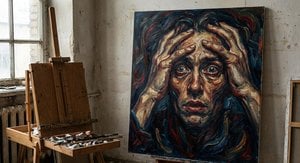
Figurative Expressionism: Emotional Intensity & Subjective Reality in 20th-Century Art
Explore the powerful world of Figurative Expressionism with ArtsDot. Discover key artists like Kirchner & Beckmann, understand its emotional depth, and learn how to collect this influential 20th-century art movement.

The Raw Emotion of Expressionism: A Deep Dive into its History, Characteristics & Enduring Influence
Explore the raw emotion of Expressionism with ArtsDot. Discover its history, key artists like Kirchner & Munch, and lasting influence on modern art. Expert insights for collectors & enthusiasts.
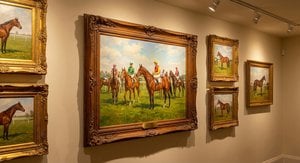
Sir Alfred Munnings' Masterpieces: 25 Paintings That Define Equine Art | ArtsDot
Explore 25 iconic Sir Alfred Munnings paintings! Discover the beauty of British Impressionism, equine art & rural England. Find museum-quality reproductions and elevate your home decor with ArtsDot. Explore the full collection online.

James Ensor's Grotesque Visions: Social Commentary & Artistic Innovation
Explore the unsettling yet captivating world of James Ensor, a pioneer of Expressionism. Discover his satirical masterpieces, symbolic imagery & lasting influence on modern art. High-quality reproductions available at ArtsDot.

James Abbott McNeill Whistler: 25 Mojstrovskih Del za Navdih v Vašem Domu
Odkrijte 25 mojstrovskih del Jamesa Abbotta McNeilla Whistlerja! Preučite zgodbe, tehnike in navdih za njegove ikonične nocturne, portrete in dela estetizma. Najboljše reprodukcije slik online na ArtsDot.com – umetnost za vaš dom.


