

 Predogled v realnem okolju
 Pošlji
 Deli
Deli
 Podrobnosti o delu
 Priročnik

 Prenesi sliko
 Podobni izdelki
 Rentgenski posnetek
 Predvajaj diaporama
 Q&A
Q&A Statistika
Le marche a Ostende


 Preberi več
Giclée tisk / Umetniški tisk
Giclée ali platnati odtis muzejske kakovosti z hitro proizvodnjo in prilagodljivimi možnostmi končne obdelave. ( Kupite ročno slikano delo Preklop na digitalno sliko)




P118B €10

P118H €10

P118W €10

P438Z €10

P508JH €12

P508YH €12

P805H €10

P805Z €10

P919BZ €10

P919G €10

P919XJ €10

P959ZH €10

P968JZ €12

W106C €8

W218G €10

W218JH €8

W218Y €10

W307PJ €10

W316G €10

W316PJ €8

W316Y €10

W398PJ €8

W4111J €10

W500HY €15

W500JH €15

W692G €12

W849H €8

W940BG €15

W953PJ €8




Izberite eno od naših vnaprej določenih velikosti, ki ustrezajo prvotnim proporcijam umetničkega dela.

Vnesite širino in višino, ki jih potrebujete za svoj okvir ali steno. Tiskanje se lahko le odreže, vendar ga ni mogoče narediti večjega od slike, zato format z drugačno obliko pomeni izgubo dela slike. Pred tiskanjem vam pošljemo digitalni predogled za potrditev. Slika, prikazana na tej strani, ne prikazuje dejanskega izrezka — le predogled to omogoča.
Globalna dostava () v 2 tednih namesto standardnih 4/5 tednov. (3 november)

Brezplačna ekspresna dostava po vsem svetu

Visokokakovostno laneno platno

Popolno zavarovanje pošiljke

Garancija povračila carine in uvoznih davkov

Garancija popolnega barvnega ujemanja

100-dnevna politika vračil (le v primeru okvar)

Garancija 100% povračila denarja

Popust pri večjem naročilu
 Možnost stekla je na voljo le za velikosti pod 110 cm

Le marche a Ostende
Giclée tisk / Umetniški tisk
Velikost reprodukcije
-


Skupna cena
€ 55
A World Masked: James Ensor’s “Le Marche a Ostende”
James Ensor's "Le Marche a Ostende" – "The Market at Ostend" – isn’t merely a depiction of a Belgian seaside town; it’s a meticulously constructed psychological landscape, a vibrant tableau brimming with unsettling detail and profound social commentary. Painted in 1883, this oil on canvas offers a glimpse into the heart of Ostend, Ensor's birthplace and lifelong home, but filtered through an intensely personal and often darkly humorous lens. The scene unfolds along a bustling street, populated by figures caught in moments of quiet contemplation, hurried movement, and veiled observation – all rendered with a distinctive palette and a masterful command of form that firmly establishes Ensor as a pioneer of Expressionism. The painting’s power lies not just in its visual richness but in the palpable sense of unease it evokes, hinting at hidden anxieties and the complexities of human interaction beneath the surface of everyday life.The Artist's Context: Ostend and the Carnival Spirit
Ensor’s artistic development was inextricably linked to his upbringing in Ostend, a town renowned for its annual carnival – a riot of masks, costumes, and theatrical spectacle. His parents operated a souvenir shop overflowing with these very objects, providing him with an unparalleled visual vocabulary and a lifelong fascination with disguise and the performative aspects of identity. This constant exposure to the paraphernalia of carnival profoundly shaped his artistic vision, informing his choice of subject matter – particularly masks – and influencing his distinctive style. The painting itself can be seen as a distillation of this carnival atmosphere, capturing not just the physical setting but also its underlying spirit of illusion and hidden meanings. The figures in "Le Marche a Ostende" are themselves wearing metaphorical masks, concealing their true emotions and intentions behind carefully constructed facades.A Symphony of Color and Form: Ensor’s Technique
Ensor's technique is immediately recognizable – bold, expressive brushstrokes layered upon one another to create a textured surface that seems to vibrate with energy. He employs a deliberately flattened perspective, pushing figures forward into the foreground while simultaneously creating a sense of depth through carefully considered color relationships and subtle variations in tone. The palette is rich and saturated, dominated by deep blues, greens, and reds, punctuated by flashes of brighter hues – yellows, oranges, and pinks – that draw the eye to key elements within the composition. Notice how he uses impasto—thickly applied paint—to emphasize certain areas, particularly the faces of the figures, lending them a heightened sense of presence and emotional intensity. The use of contrasting colors and textures creates a dynamic visual experience, mirroring the chaotic energy of the bustling market scene.Symbolism and Social Commentary: Unmasking Ostend
Beyond its immediate visual appeal, "Le Marche a Ostende" is laden with symbolic meaning. The two principal figures – one gazing down at an unseen object, the other walking away – represent a fundamental disconnect between individuals, a sense of isolation within a crowd. The bench occupied by the seated couple suggests a fleeting moment of connection amidst the anonymity of the market. The presence of skeletons subtly hints at mortality and the ephemeral nature of human existence. More broadly, the painting can be interpreted as a critique of Ostend’s burgeoning bourgeois society – a society obsessed with appearances and preoccupied with superficial displays of wealth and status. Ensor's use of masks, both literal and figurative, serves to expose the hidden anxieties and contradictions that lie beneath the veneer of respectability. The painting is not simply a record of a street scene; it’s an invitation to delve deeper into the complexities of human nature and the social dynamics of a rapidly changing world.Bringing “Le Marche a Ostende” Home: A ArtsDot Reproduction
ArtsDot offers meticulously crafted, hand-painted reproductions of James Ensor's "Le Marche a Ostende," allowing you to experience this iconic artwork in stunning detail and vibrant color. Our skilled artists replicate Ensor’s distinctive brushwork and nuanced palette with the utmost precision, ensuring that your reproduction captures the painting’s original emotional impact. We offer various framing options to complement your personal style and décor, from classic wooden frames to contemporary metal designs. Invest in a ArtsDot reproduction of "Le Marche a Ostende" – not just an image, but a tangible connection to one of the most important figures in modern art. Explore our selection today and bring Ensor’s unsettling yet captivating vision into your home.Vprašanja in odgovori
Za katero so "Le marche a Ostende" avtorja James Ensor priporočena?
Za Living Room priporočamo "Le marche a Ostende" avtorja James Ensor. Ta predlog temelji na tematiki, barvah in vzdušju dela.
Ali ima "Le marche a Ostende" močne svetlo-temne kontraste?
Stopnja kontrasta dela "Le marche a Ostende" avtorja James Ensor je Balanced.
Kakšen čustveni izraz prenosi "Le marche a Ostende" avtorja James Ensor?
"Le marche a Ostende" je povezano z Melancholic občutkom. Čustveni ton opisuje vtis, ki ga delo pusti.
Sorodna umetniška dela


Biografija umetnika
James Ensor: A Pioneer of Expressionism and Surrealism
James Sidney Edouard Ensor (Ostend, 13 April 1860-19 November 1949) was a Belgian painter and printmaker who stands as one of the most influential figures in the development of Expressionism and Surrealism. Born into an English father and Belgian mother—a duality that profoundly shaped his artistic worldview—Ensor defied convention from the outset, rejecting academic formalism and embracing unsettling imagery rooted in psychological exploration.
Early Influences and Artistic Training
His formative years were marked by exposure to Ostend’s vibrant seaside atmosphere and his parents’ souvenir shop, which stocked exotic objects and carnival masks – stimuli that ignited his imagination and instilled a lifelong fascination with disguise. Ensor pursued formal artistic training at the Académie Royale des Beaux-Arts in Brussels, where he encountered fellow artists like Fernand Khnopff and Theo Van Rysselberghe—connections that fostered intellectual debate and propelled him beyond traditional boundaries.
A Shift Towards Grotesque Visionary Art
Around 1886-1889 Ensor embarked on a transformative stylistic journey, abandoning Impressionistic ideals for Expressionist techniques characterized by bold brushwork and vibrant color palettes. Influenced by Rembrandt’s masterful use of chiaroscuro, Francisco Goya’s unflinching depictions of human suffering, and Japanese woodcuts—a fascination with visual symbolism—Ensor developed a distinctive iconography focused on grotesque figures and unsettling narratives.
Key Masterpieces and Recurring Themes
His most celebrated works – including *Christ's Entry into Brussels* (1888-1889), *The Scandalized Masks* (1883) and *Skeletons Fighting over a Hanged Man* (1891) – exemplify Ensor’s commitment to confronting uncomfortable truths about human psychology and societal hypocrisy. Recurring themes throughout his oeuvre include death, decay, social critique, religious satire, and the boundless potential of imagination—elements that continue to resonate with audiences today.
Legacy and Influence
James Ensor's uncompromising artistic vision solidified his position as a pivotal innovator in modern art, paving the way for Expressionist artists like Edvard Munch and Surrealists like René Magritte. His rejection of academic conventions and embrace of psychological depth profoundly impacted subsequent generations of painters—establishing him as an enduring symbol of artistic rebellion and intellectual courage.

James Ensor
1860 - 1949 , Belgija
Hitri podatki
- Artistic Movement Or Style: Expressionism, Surrealism
- Artists Who Influenced This Artist:
- Pieter Bruegel the Elder
- Francisco Goya
- Whistler
- Date Of Birth: April 13, 1860
- Date Of Death: November 19, 1949
- Full Name: James Sidney Edouard Ensor
- Nationality: Belgian
- Notable Artworks:
- The Scandalized Masks
- Skeletons Fighting...
- Christ's Entry into Brussels
- Place Of Birth: Ostend, Belgium
Sorodni članki
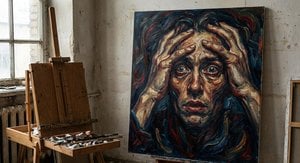
Figurative Expressionism: Emotional Intensity & Subjective Reality in 20th-Century Art
Explore the powerful world of Figurative Expressionism with ArtsDot. Discover key artists like Kirchner & Beckmann, understand its emotional depth, and learn how to collect this influential 20th-century art movement.

James Abbott McNeill Whistler: 25 Mojstrovskih Del za Navdih v Vašem Domu
Odkrijte 25 mojstrovskih del Jamesa Abbotta McNeilla Whistlerja! Preučite zgodbe, tehnike in navdih za njegove ikonične nocturne, portrete in dela estetizma. Najboljše reprodukcije slik online na ArtsDot.com – umetnost za vaš dom.

James Ensor's Grotesque Visions: Social Commentary & Artistic Innovation
Explore the unsettling yet captivating world of James Ensor, a pioneer of Expressionism. Discover his satirical masterpieces, symbolic imagery & lasting influence on modern art. High-quality reproductions available at ArtsDot.

German Expressionism's 10 Defining Masterpieces | Art for Your Home
Explore 10 defining German Expressionism masterpieces – from Munch's 'The Scream' to Kandinsky’s abstracts. Discover the artists, stories & bold colors behind this powerful art movement. Find museum-quality reproductions at ArtsDot.com.

Masterpieces of the English Countryside: Top 25 Sir Alfred James Munnings Artworks
Explore 25 iconic Sir Alfred James Munnings masterpieces. Discover timeless equine art on ArtsDot.com.


