


 Preverite v realnem okolju
 Pošlji kot čestitko
 Deli
Deli
 Podrobnosti
 Priročnik

 Prenesi
 Podobni artefakti
 Rentgenski posnetek
 Predvajaj diaporama
 Statistika
Tea
 Oil On Canvas
- WallArt
- Realism
 1872
1872- 19th Century
 66.0 x 48.0 cm
 Metropolitanski muzej umetnosti
 Preberi več
Ročno izdelana oljna reprodukcija
Ročno slikano olje na platnu v vaši izbiri velikosti in okvirja, izdelano po naročilu naših umetnikov. ( Preklop na tiskanine Preklop na digitalno sliko)




P118B €10

P118H €10

P118W €10

P438Z €10

P508JH €12

P508YH €12

P805H €10

P805Z €10

P919BZ €10

P919G €10

P919XJ €10

P959ZH €10

P968JZ €12

W106C €8

W218G €10

W218JH €8

W218Y €10

W307PJ €10

W316G €10

W316PJ €8

W316Y €10

W398PJ €8

W4111J €10

W500HY €15

W500JH €15

W692G €12

W849H €8

W940BG €15

W953PJ €8




Izberite eno od naših vnaprej določenih velikosti, ki ustrezajo prvotnim proporcijam umetničkega dela.

Vnesite širino in višino, ki jih potrebujete, da se slika prilega vašemu okviru ali steni. Ker je delo ročno slikano, lahko umetnik pri različnih oblikih slik pri robovih doda malo več barve ali pa jih malo odreže — izberite sami. Pred začetkom slikanja vam pošljemo digitalni predogled za potrditev. Slika, prikazana na tej strani, ni končni rezultat — le predogled prikazuje dejansko podobo.
Po oddaji naročila bo ekipa ArtsDot.com stranki po e-pošti poslala navodila in predogled digitalnega predogleda.
Mednarodna dostava () v 3/4 tednih namesto običajnih 5 tednov. (23 oktober). Brez kompromisov pri kakovosti.

Brezplačna ekspresna dostava po vsem svetu

Visokokakovostno laneno platno

Popolno zavarovanje pošiljke

Garancija povračila carine in uvoznih davkov

Garancija popolnega barvnega ujemanja

Politika vračila v 100 dneh (le v primeru okvar)

Garancija 100% povračila denarja

Popust pri večjem naročilu
 Možnost stekla je na voljo le za velikosti pod 110 cm

Tea
Tehnika reprodukcije
Velikost reprodukcije
-


Skupna cena
€ 231
A Moment Frozen in Victorian Elegance
In the quiet, sun-dappled atmosphere of James Jacques Joseph Tissot’s Tea, we are invited into a private sanctuary of nineteenth-century refinement. This exquisite oil painting, dating from 1872, serves as more than just a depiction of a domestic ritual; it is a window into the soul of the Victorian era. The scene centers on a woman poised with grace in a tea room, her presence commanding yet serene. Clad in a sophisticated black dress accented by a delicate yellow ribbon at her throat, she embodies the meticulous fashion and social etiquette of her time. As she tends to the teapot, surrounded by the fine porcelain of cups and bowls, there is an intimate sense of stillness, as if the bustling world outside has momentarily ceased to exist.
The composition masterfully balances the intimacy of the interior with a breathtaking glimpse of the wider world. Beyond the immediate warmth of the tea service, the eye is drawn through the window to the dense, sprawling cityscape and the shimmering waters of the Thames. This juxtaposition between the sheltered, domestic sphere and the industrial vitality of London creates a profound narrative tension. It reminds the viewer that even in our most private moments of repose, the pulse of the modern city beats just beyond the glass. The inclusion of a distant boat on the river adds a layer of movement and life, grounding this elegant portrait within the real, breathing geography of Tissot’s adopted home.
Mastery of Realism and Light
Tissot, a painter who bridged the gap between the meticulous detail of Realism and the atmospheric light of Impressionism, demonstrates his technical prowess through the textures present in this work. Every element—from the reflective surface of the tea service to the heavy, luxurious fabric of the woman’s gown—is rendered with an almost tactile precision. His ability to capture the play of light across different surfaces creates a sense of depth that draws the collector into the room. The artist uses light not merely to illuminate, but to sculpt the scene, highlighting the delicate contours of the porcelain and the soft shadows that dance within the tea room.
For the discerning art lover or interior designer, Tea offers a versatile emotional resonance. It possesses a quiet dignity that can anchor a sophisticated living space, providing a focal point of calm and historical depth. The painting’s palette, rich with deep blacks, warm yellows, and the soft blues of the distant London sky, makes it an ideal piece for those looking to introduce a sense of timeless luxury and narrative complexity into a room. To possess a reproduction of this work is to hold a fragment of history—a beautifully preserved moment of Victorian grace that continues to inspire awe and contemplation in the modern age.
Vprašanja in odgovori
Kakšen je vzdušje v delu "Tea" avtorja Jacques Joseph (James) Tissot?
Splošni vzdug umetninine "Tea" avtorja Jacques Joseph (James) Tissot je Elegant. Ta vzdug opisuje splošno atmosfero dela.
Kako se delo "Tea" vklapa v tematiko in slog umetnika Jacques Joseph (James) Tissot?
"Tea" z ostalimi deli Jacques Joseph (James) Tissot deli svoj Realism slog in zastopljene teme: realism and impressionism, victorian social elegance, london urban life, domestic genre painting, refined society scenes.
Kolikšno je intenzivno barvno dojemanje v delu "Tea" avtorja Jacques Joseph (James) Tissot?
Intenzivnost barv dela "Tea" je Monochromatic. Intenzivnost opisuje, kako močne se zameščajo barve.
Sorodna umetniška dela


Biografija umetnika
James Jacques Joseph Tissot (1836–1902): Viktorijanski vizionar na premoju realizma in impresionizma
James Jacques Joseph Tissot, rojen 15. oktobra 1836 v Parizu, je bil plodovit slikar, katerega je njegova večdecna kariera uveljavila med najslavnejšimi umetniki viktorijske dobe. Čeprav se je sprva šolal za arhitekta, je Tissot hitro zapustil to pot zaradi očarljive privlačnosti slikarstva, kjer se je posvetil zajemanju veličastnosti in zapletenosti parizkega družbenega življenja ter globokih bibličnih pripovestij. Njegov edinstven slog—občudovito zlitje realizma in impresionističnih tehnik—še vedno fascinira zgodovinske umetnosti in zbiratelje po vsem svetu.- Tissotove formative leta je zaznamalo privilegirano otroštvo v bogati družini, kar mu je omogočilo dostop do izjemnega umetniškega pouka. Arhitekturo je študiral na École Polytechnique, nato pa je prešel k risanju pod mentorstvo Alexandrea Cabanela in Jean-Léona Gérômeja, pri čemer je vpojil slogovne vlive akademskega realizma, ki jePrevladoval v njegovem času. Te temeljne izkušnje so v njega vdelo natančno pozornost do detajlov in discipliniran pristop k kompoziciji—lastnosti, ki bodo zaznamovale celotno njegovo delo.
- Tissotov umetniški preboj se je zgodil z njegovimi slikami parizkega življenja v obdobju Belle Époque. Z nepopustljivo natančnostjo je dokumentiral prizore iz teatrjev, oper in modnih druženj, pri čemer ni zajemal le vizualne veličastnosti, temveč tudi subtilne nuanse družbenega vedenja. Njegova platna—kot sta »Rubensova kapa« in »Čaj«—so postala ikonična predstavitev viktorijske elegance in sofisticiranosti, ki odražajo teskobo in aspiracije hitro spreminjajočega se družbnega stanja.
- Po zunanjih urbanih pokrajavah je Tissot izstopal tudi pri prikazovanju bibličnih zgodb z izjemno teatralko. Tem pripovestijam se je približal z neomajno predanostjo zgodovinski natančnosti, hkrati pa jih dopolnil z ekspresivnimi potezami črte—načrtom impresionizma—kar je ustvarilo čustveno močne slike, ki so očarvale gledalce. Med najbolj izstopajočimi deli sta »Iskanje Svetega grala« in »Zadnja večerja«, ki dokazujata njegovo sposobnost prenosa duhovne globine ob hkrati vizualni dinamiki.
- Tissotova umetniška tehnika se je skozi kariero znatno razvijala. Na začetku, ko je raje izbiral akademski realizem, je postopoma sprejel impresionistične vlive, s čimer je eksperimentiral z lažjimi potezami črte in zajemanjem bežnih trenutkov svetlobe in barve. Ta slogovna sprememba mu je omogočila, da je svojim slikam podelil oprijemljiv občutek atmosfere in čustev—odstop od statične formalnosti njegovih zgodnejših del.
- Jacques Joseph Tissot je umrl 8. avgusta 1902, za pustil pa izredno obsežno delo, ki še vedno navdihuje občudovanja. Njegove slike so shranjene v prestižnih muzejih po vsem svetu, vključno z Bibliothèque Nationale Centrale in Getty Museum, kar je dokaz njegove trajne umetniške dediščine. Tissot ni le dokumentiral svoje dobe; on je slikarstvo dvignil na raven pripovedovanja—močnega zlitja opazovanja in domišljije, ki je utrdilo njegov položaj med najvplivnejšimi umetniki viktorijske obdobja.
Daljnje raziskovanje
V svojo umetniško pot Tissota lahko poglobite z obiskom naslednjih virov:- James Tissot - Wikipedia: https://en.wikipedia.org/wiki/James_Tissot
- Jacques Joseph Tissot - Getty Museum: https://www.getty.edu/art/collection/person/103KY1
- Jacques Joseph Tissot: Kronika parizkega življenja in razvoj pripovedi: /en/articles/jacques-joseph-tissot-a-chronicle-of-parisian-life-narrative-evolution-en/
- James Tissot (1836–1902), dvomno moder | Musée d’Orsay: https://www.musee-orsay.fr/en/whats-on/exhibitions/presentation/james-tissot-1836-1902-ambiguously-modern

Jacques Joseph (James) Tissot
1836 - 1902 , Francija
Ključne informacije
- Artistic Movement Or Style: Realizem in impresionizem
- Artists Or Movements Influenced By This Artist: ['Impresionizem']
- Artists Who Influenced This Artist:
- Gustave Courbet
- Jean-François Millet
- Date Of Birth: 15. oktober 1836
- Date Of Death: 8. avgust 1902
- Full Name: Jacques Joseph Tissot
- Nationality: Francoz
- Notable Artworks:
- Rubensova klobuk
- Čaj
- Place Of Birth: Pariz, Francija
Sorodni članki

James Abbott McNeill Whistler: 25 Mojstrovskih Del za Navdih v Vašem Domu
Odkrijte 25 mojstrovskih del Jamesa Abbotta McNeilla Whistlerja! Preučite zgodbe, tehnike in navdih za njegove ikonične nocturne, portrete in dela estetizma. Najboljše reprodukcije slik online na ArtsDot.com – umetnost za vaš dom.

Romantic Realism's Finest: 10 Masterpieces for Your Home | ArtsDot
Explore 10 defining masterpieces of Romantic Realism! Discover Courbet, Millet & Daumier's powerful paintings—capturing emotion and social realities. Find museum-quality reproductions for your home at ArtsDot.com.

Sir Alfred Munnings' Masterpieces: 25 Paintings That Define Equine Art | ArtsDot
Explore 25 iconic Sir Alfred Munnings paintings! Discover the beauty of British Impressionism, equine art & rural England. Find museum-quality reproductions and elevate your home decor with ArtsDot. Explore the full collection online.
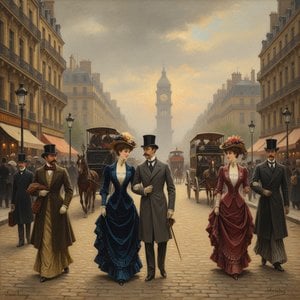
Jacques Joseph Tissot: A Chronicle of Parisian Life & Narrative Evolution
Explore the captivating world of Jacques Joseph Tissot, a master painter of Belle Époque society. Discover his realism, Impressionistic style, and lasting influence on art history. Learn more at ArtsDot.

The Gaze of a Changing World: Victorian Realism & Modern Life
Explore the captivating world of Victorian Realism! Discover genre painting's rise, social commentary in art, & masters like Fedotov and Wilkie. Expert analysis & high-quality reproductions at ArtsDot.