

 Predogled v realnem okolju
 Pošlji
 Deli
Deli
 Podrobnosti o delu
 Priročnik

 Prenesi sliko
 Podobni izdelki
 Rentgenski posnetek
 Predvajaj diaporama
 Vprašanja in odgovori
 Statistika
Grainfields

- 47.0 x 57.0 cm


 Preberi več
Giclée tisk / Umetniški tisk
Giclée ali platnati odtis muzejske kakovosti z hitro proizvodnjo in prilagodljivimi možnostmi končne obdelave. ( Kupite ročno slikano delo Preklop na digitalno sliko)




P118B €10

P118H €10

P118W €10

P438Z €10

P508JH €12

P508YH €12

P805H €10

P805Z €10

P919BZ €10

P919G €10

P919XJ €10

P959ZH €10

P968JZ €12

W106C €8

W218G €10

W218JH €8

W218Y €10

W307PJ €10

W316G €10

W316PJ €8

W316Y €10

W398PJ €8

W4111J €10

W500HY €15

W500JH €15

W692G €12

W849H €8

W940BG €15

W953PJ €8




Izberite eno od naših vnaprej določenih velikosti, ki ustrezajo prvotnim proporcijam umetničkega dela.

Vnesite širino in višino, ki jih potrebujete za svoj okvir ali steno. Tiskanje se lahko le odreže, vendar ga ni mogoče narediti večjega od slike, zato format z drugačno obliko pomeni izgubo dela slike. Pred tiskanjem vam pošljemo digitalni predogled za potrditev. Slika, prikazana na tej strani, ne prikazuje dejanskega izrezka — le predogled to omogoča.
Globalna dostava () v 2 tednih namesto standardnih 4/5 tednov. (5 november)

Brezplačna ekspresna dostava po vsem svetu

Visokokakovostno laneno platno

Popolno zavarovanje pošiljke

Garancija povračila carine in uvoznih davkov

Garancija popolnega barvnega ujemanja

100-dnevna politika vračil (le v primeru okvar)

Garancija 100% povračila denarja

Popust pri večjem naročilu
 Možnost stekla je na voljo le za velikosti pod 110 cm

Grainfields
Giclée tisk / Umetniški tisk
Velikost reprodukcije
-


Skupna cena
€ 56
A Moment Frozen in Time: Exploring Jacob van Ruisdael’s “Grainfields”
Jacob van Ruisdael's "Grainfields," painted around 1665, isn’t merely a depiction of a rural Dutch landscape; it’s a profound meditation on the relationship between humanity and nature, a quiet drama unfolding beneath an expansive sky. This remarkable work, now housed within the Metropolitan Museum of Art in New York, offers a glimpse into the heart of the Dutch Golden Age – a period defined by burgeoning prosperity, artistic innovation, and a deep appreciation for the beauty of the natural world. Ruisdael, considered the pre-eminent landscape painter of his era, masterfully captures not just the visual elements of the scene but also an underlying sense of serenity and timelessness that continues to resonate with viewers today.The Canvas as Window: Composition and Technique
Ruisdael’s genius lies in his ability to create a remarkably immersive experience within the confines of a canvas. The composition is deceptively simple, yet profoundly effective. A gently sloping road, barely discernible amidst the undulating grainfields, draws the eye into the heart of the scene. Two figures – likely laborers tending their harvest – stand at the field’s edge, small and unassuming against the vastness of the landscape. Their presence isn't intrusive; rather, they serve as anchors, grounding us in this world while simultaneously emphasizing its scale and solitude. The artist employs a technique characterized by subtle gradations of light and shadow, creating an atmospheric depth that is both realistic and dreamlike. Notice how he uses broken brushstrokes to suggest the texture of the earth, the rustle of the grain, and the hazy distance of the horizon. Crucially, Ruisdael’s decision to dominate the composition with the sky – occupying nearly two-thirds of the canvas – elevates the scene beyond a simple depiction of farmland. It imbues the landscape with a sense of grandeur and spiritual significance, echoing the vastness of God's creation.Echoes of History: Context and Influences
To understand “Grainfields,” it’s essential to consider its historical context. The Dutch Golden Age witnessed an unprecedented economic boom fueled by trade and agriculture. Landscapes like this one weren’t simply decorative; they reflected a national identity deeply rooted in the land. Ruisdael, influenced by earlier landscape painters such as Cornelis Vroom and Allart van Everdingen, built upon established traditions while forging his own distinctive style. His trip to Germany in 1650 exposed him to new artistic influences, particularly the dramatic lighting and atmospheric perspective of Northern European masters. The painting also reflects a broader shift in Dutch society – a growing interest in secular subjects alongside traditional religious themes. The focus on everyday life, as depicted here, signaled a move away from solely didactic art towards works that celebrated beauty and offered moments of contemplation.Symbolism and Emotional Resonance
Beyond its technical brilliance, “Grainfields” is rich in symbolic meaning. The figures at the edge of the field represent humanity’s connection to the land – a relationship built on labor, resilience, and an understanding of nature's rhythms. The windmill, a ubiquitous symbol of Dutch ingenuity and prosperity, stands as a testament to human adaptation and mastery over the environment. However, there is also a sense of melancholy in the scene, perhaps reflecting the hardships of rural life or the fleeting nature of time. The overcast sky hints at an impending storm, suggesting that even in this seemingly idyllic landscape, forces beyond our control are always present. Ultimately, “Grainfields” evokes a feeling of quiet contemplation – a reminder to appreciate the beauty and fragility of the natural world and to find solace in its enduring presence.Bringing Ruisdael Home: Reproductions and Interior Design
Reproductions of "Grainfields" offer a remarkable opportunity to bring this iconic work into your home or office. When selecting a print, consider the quality of the reproduction – seek out options that accurately capture the subtle nuances of Ruisdael’s brushwork and atmospheric effects. The painting's muted palette—dominated by earthy browns, greens, and grays—works beautifully in a variety of interior settings. It complements both rustic and contemporary styles, adding a touch of timeless elegance and contemplative serenity to any space. Whether displayed as a statement piece or incorporated into a larger gallery wall, “Grainfields” is sure to become a cherished focal point, inviting viewers to pause, reflect, and connect with the enduring beauty of the Dutch countryside.Vprašanja in odgovori
Kakšna je barvna identiteta dela "Grainfields" avtorja Jacob Isaackszoon Van Ruisdael?
"Grainfields" avtorja Jacob Isaackszoon Van Ruisdael uporablja paleto Earthy, kjer prevladuje barva Celadon (#beb8bc).
Ali obstajajo dela, podobna delu "Grainfields"?
Podobna dela delu "Grainfields" si lahko ogledate na strani Podobna dela.
Kakšen je format dela "Grainfields"?
"Grainfields" avtorja Jacob Isaackszoon Van Ruisdael je Landscape kompozicija. Pred izbiro velikosti tiska je priporočljivo preveriti njene proporcije.
Sorodna umetniška dela


Biografija umetnika
rano življenje in kariera
Jacob isaackszoon van ruisdael, izjemno nizozemski namalovnik, risanec in graver, je bil rojen leta 1628 v Nizozemskem. Široko ga smatrujajo za najpomembnejšega namalovnika zlatih nizozemskih let, obdobje, značilno za veliko bogastvo in kulturni dosežek.
umetniški stil in prispevek
Delo van Ruisdaela se venezi zaradi svoje prilagodljivosti in obilnega prirody, saj prikazuje široko paleto namalovnih motivov. Od leta 1646 je slikal izjemne nizozemske krajine, ki so kasneje pridobile bolj herojski značaj po njegovem potovanju v Nemčijo leta 1650. Njegovo kasnejše delo, ustvarjeno med življenjem in delovanjem v Amsterdamu, je prikazovalo panorame mest in pomorske razglednice, pogosto z nebesjem, ki zajema dve tretjini platna.
- vodopad v skalnati in gorski krajini, ki kaže njegovo majstorstvo svetlobe in kompozicije.
- razgled na Haarlem z sušiliščami, ki prikazuje njegovo sposobnost ujetja same duše nizozemske krajine.
- razgled na Dam in Damrak v Amsterdamu, ki poudarja njegovo veščino pri slikarstvu mestnih razglednic.
muzejji in zbirke
Delo van Ruisdaela je razpršeno po zasebnih in institucionalnih zbirkah po vsej sveti, z najboljšimi ohranjami na:
- Naravni galeriji v Londonu
- Rijksmuseum v Amsterdamu
- Hermitajjev muzej v Sankt Peterpolju
vpliv in dediščina
Vpliv van Ruisdaela na tradicije namalovnega slikarstva je globok; oblikoval je angleške romantične umetnike, Barbizon šolo v Franciji in Hudsonjev rečni šolnik v ZDA. Navdih je bil tudi za generacije nizozemskih namalovnikov. Značilna dela:
- Razgled na Haarlem z sušiliščami
- Vodopad v skalnati in gorski krajini
- Razgled na Dam in Damrak v Amsterdamu
Profil umetnika na ArtsDot: Jacob isaackszoon van ruisdael

Jacob Isaackszoon Van Ruisdael
1628 - 1682 , Netherlands
Hitri podatki
- Artistic Movement Or Style: Nizozemska zlata doba, Barok
- Artists Or Movements Influenced By This Artist:
- Angleški romantičari
- Šola Barbizon
- Artists Who Influenced This Artist: ['Hendrick Vroom']
- Date Of Birth: 1628/1629, Haarlem
- Date Of Death: 1682, Amsterdam
- Full Name: Jacob Isaackszoon van Ruisdael
- Nationality: Nizozemski
- Notable Artworks:
- Razgled v Haarlemu
- Vodopadni krajinski namalje
- Amsterdamski mestni pejzaž
- Place Of Birth: Haarlem, Nizozemska
Sorodni članki

Jacob van Ruisdael: Master of Dutch Landscape & the Evocation of National Identity
Explore the life & work of Jacob van Ruisdael, the preeminent Dutch landscape painter. Discover his technical brilliance, symbolic depth, and lasting influence on art history. Learn about collecting Ruisdael's masterpieces.

10 Mojstrovin Nizozemske Zlate dobe: Umjetnost, ki je definirala svojo dobo
Odkrijte 10 mojstrovin Nizozemske zlate dobe! Rembrandt, Vermeer & več – spoznajte zgodbe za temi ikoničnih umetnin. Inspirirajte se za notranji dizajn in poiščite reprodukcije na ArtsDot.com!

Golden Light & Dutch Skies: Bringing the Magic of Dutch Golden Age Landscapes into Your Home
Transform your home with the breathtaking light of Dutch Golden Age landscapes. Discover how hand-painted oil reproductions of masterworks like Ruisdael and Vermeer bring timeless elegance, atmosphere, and soulful texture to modern interiors. Elevate your space with museum-quality art.
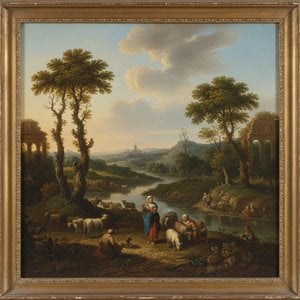
Nicolaes Berchem: Dutch Golden Age Pastoralism & the Evolution of Landscape Painting
Explore the captivating world of Nicolaes Berchem, a leading Dutch Golden Age painter. Discover his idyllic landscapes, masterful technique & lasting influence on art history. Learn more at ArtsDot.

Charles Leickert: Capturing the Dutch Golden Age Light – A Comprehensive Study of Technique, Context, and Legacy
Explore the captivating winter landscapes of Charles Leickert, a master of Dutch Golden Age light & atmosphere. Discover his techniques, symbolism, and lasting legacy – a comprehensive study for art enthusiasts and collectors.

