- Domov

- Tiskanje na platnu
- Jheronimus Bosch
- Prekusa svetega Antonija

 Naročite reprodukcijo Kupi digitalno sliko
 Pošlji
 Deli
Deli
 Details
 Dodaj v priljubljene

 Prenesi
 Podobni izdelki
 X-Ray
X-Ray
 Predvajaj diaporama
Prekusa svetega Antonija
 Akril na platnu
- Stenska umetnost
- Severna renesanca
 70.0 x 51.0 cm
 Muzej Prado
Giclée tisk / Umetniški tisk
Giclée ali platnati odtis muzejske kakovosti z hitro proizvodnjo in prilagodljivimi možnostmi končne obdelave.
 Preberi več



P118B $10

P118H $10

P118W $10

P438Z $10

P508JH $12

P508YH $12

P805H $10

P805Z $10

P919BZ $10

P919G $10

P919XJ $10

P959ZH $10

P968JZ $12

W106C $8

W218G $10

W218JH $8

W218Y $10

W307PJ $10

W316G $10

W316PJ $8

W316Y $10

W398PJ $8

W4111J $10

W500HY $15

W500JH $15

W692G $12

W849H $8

W940BG $15

W953PJ $8




Izberite eno od naših vnaprej določenih velikosti, ki ustrezajo prvotnim proporcijam umetničkega dela.

Svoje dimenzije lahko vnesete sami, da bodo ustrezne za določen okvir ali prostor. Če izbrana velikost ne bo skladna z razmerji izvirne slike, bomo umetniško delo orezali ali podaljšali s pomočjo ogledalnega odraza ali barvno polnega roba. Pred začetkom proizvodnje vam bomo poslali digitalni predogled za potrditev.
Upoštevajte, da predogled na zaslonu ne prikazuje dejanskega orezovanja ali podaljševanja. Le digitalni predogled bo natančno prikazal končno kompozicijo.
Čeprav so na voljo prilagojene velikosti, priporočamo izbiro dimenzije s predhodno določenega seznama, da ohranite prvotna razmerja.
Globalna dostava () v 2 tednih namesto standardnih 4/5 tednov. (1 julij)

Brezplačna ekspresna dostava po vsem svetu

Visokokakovostno laneno platno

Popolno zavarovanje pošiljke

Garancija povračila carine in uvoznih davkov

Garancija popolnega ujemanja barv

60-dnevna politika vračanja (le v primeru napak)

Garancija 100% povračila denarja

Popust pri večjem naročilu
 Možnost stekla je na voljo le za velikosti pod 110 cm

Prekusa svetega Antonija
Giclée tisk / Umetniški tisk
Velikost reprodukcije
-


Skupna končna cena
-
Opis zbirateljskega predmeta
Spust v surrealno temo: Raziskovanje Boschove »Skuskanje svetnika Antonija«
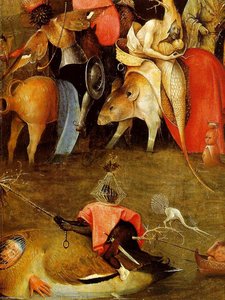
Boschovo »Skuskanje svetnika Antonija« stoji kot ena najbolj pretresljivih in trajavih slik severne renesančne umetnosti, slika, ki še stoletja po svojem nastanku fascinira raziskovalce in očaruje gledalce. Ta monumentalni triptih, izdelan okoli leta 1510–1515 in velik približno 70 x 51 cm, je shranjen v muzeju Museo del Prado v Madridu, obiskovalcem pa ponuja neprepodobno vpogled v Boschovo edinstveno vizijo človeškega stanja. Več kot le religiozna pripoved je to globoka meditacija o skušavi, moraliVizualna narrativa: Razglednica psihološke vrznotnosti
Bosch je z neizmerno natančnostjo oblikoval prizor, ki presega zgolj predstavljanje; zaveda nas v halucinogno pokrajino, polno grotesknih figur in simboličnih elementov. V središču je svetnik Antonij, prikazan na klecanju v beznadaji med pustim gozdom – vizualna podoba duhovne borbe. Okoli njega so demoni – ne zverine po popolni možni predstavi iz ljudske domišljije, temveč subtilno motne humanoidne 존재, okranjene s perjem in maskami, ki aktivno poskušajo odвлеči Antonija od njegove pobožnosti. Prisotnost ptic – ena na deblu drevesa in druga, ki grozljivo kroži – doda plast interpretacij, saj predstavljajo gordost in privlačnost svetnih motenj. Boschova mojstren uporaba perspektive ustvarja poglobljeno izkušnjo, ki gledalca povleče v to nemirno podobo.Zgodovinski kontekst: Pozno srednjevečne strahove in umetniška inovativnost
»Skuskanje svetnika Antonija« se je pojavilo v obdobju, ki so zaznačevale tesnobe okoli verskih dogm in družbenih prevratov. Boschovo del odraža vseprez presence srednjevečnega folklora in demonologije, skupaj z razvijajočim se humanističnim zanimanjem za raziskovanje kompleksnosti človeške psihologije. Za razliko od mnogih umetnikov svojega časa, ki so se držali strogih teoloških konvencij, se je Bosch upal soočiti z motečimi temami – grehom, korupcijo in neizogibno prisotnostjo zla – ter s tem izzval gledalce, da razmislijo o svojem lastnem moralnem kompasu. Ta drzna umetniška drža je utrdila Boschovo mesto inovatorja, čija je vizija predvidela tesnobe, ki bodo odmevale skozi prihodnja stoletja.Simbolika: Razkodiranje plasti pomenov
Slika je polna simbolov, zasnovanih za sprožanje razmišljanja. Sam gozd predstavlja divjino duše, medtem ko drža svetnika Antonija označuje ponižnost in ranljivost pred skušavo. Maske demonov simbolizirajo zavajač most in pretvarjanje – pod površjem človeške oblike skrivajo svoje prave namene. Poleg tega ptice personificirajo gordost in svetne želje, kar izpostavlja nevarnosti, ki so vključene v odstopanje od duhovne predanosti. Boschova mojsterna uporaba simbolike dviguje »Skuskanje svetnika Antonija« nad preprosto pripovedno ilustracijo in ga transformira v trajno meditacijo o bitki med dobom in zlom – brezčasno mojstrovino, ki še vedno navdihuje čuden in sproža debate.Sorodna umetniška dela




Biografija umetnika
Hieronymus Bosch - Jheronimus van Aken
Bosch was born around 1450 in the vibrant, bustling town of ’s-Hertogenbosch in the Netherlands—then part of Brabant—Hieronymus Bosch, originally Jheronimus van Aken, remains one of art history’s most compelling and mysterious figures. His world was steeped in late medieval religious fervor, folklore, and a growing sense of societal unease, all of which would profoundly shape his uniquely unsettling artistic vision. Coming from a family with a long tradition of painting—his grandfather, Jan van Aken, and father, Anthonius van Aken, were both artists—Bosch likely received his earliest training within the family workshop, absorbing the techniques and conventions of Netherlandish painting. However, even in his formative years, he began to diverge from established norms, hinting at the extraordinary imagination that would define his career. Biographical details are frustratingly scarce; records are fragmented, leaving much open to speculation and interpretation, adding to the aura of mystique surrounding both the man and his work. He married Aleyt Goyaerts van den Meerveen sometime before 1481, a union that provided him with some financial security through her family’s holdings, but little else is known about their personal life. Bosch's artistic style is instantly recognizable—a captivating blend of meticulous detail and wildly imaginative imagery. He primarily worked with oil on oak panels, demonstrating a masterful command of the medium, achieving luminous colors and intricate textures. While his early works show influences from traditional Netherlandish painting, particularly in their realism and attention to detail, he quickly moved beyond mere imitation, developing a profoundly original vision. His paintings are not simply representations of reality; they are allegorical landscapes populated by bizarre creatures, hybrid beings, and unsettling scenes that seem plucked from dreams—or nightmares. Religious themes form the core of much of his work, but these are rarely straightforward depictions of biblical stories. Instead, Bosch uses symbolism to explore complex moral and theological concepts, often focusing on the dangers of sin, the fragility of earthly pleasures, and the inevitability of divine judgment. His creatures—grotesque demons, fantastical animals, and strangely human figures—are not merely decorative elements; they are embodiments of vice, temptation, and spiritual corruption. The blending of the sacred and the profane, the beautiful and the grotesque, creates a uniquely unsettling effect that continues to captivate viewers centuries later. Bosch’s most acclaimed works consist of three triptychs, particularly *The Garden of Earthly Delights* (c. 1490-1510), which remains one of the most enigmatic and debated works in art history. When opened, it presents a panoramic vision of paradise, earthly life, and hell—a complex allegorical representation of humanity’s fall from grace. The left panel depicts the Garden of Eden, teeming with fantastical creatures and lush vegetation; the central panel portrays a world consumed by sensual pleasure and unrestrained desire; and the right panel offers a terrifying glimpse into the torments of hell. The Last Judgement (c. 1480-1490) is another powerful example of his skill in portraying both heavenly bliss and infernal torment, while *Ascent of the Blessed* (c. 1480-1490) demonstrates his ability to create ethereal and dreamlike scenes. These paintings are characterized by a rough surface from the application of paint; this contrasts with the traditional Flemish style of paintings, where the smooth surface attempts to hide the fact that the painting is man-made. Little is known about Bosch's life or training. He spent most of it in and near ‘s-Hertogenbosch, where he was born in his grandfather’s house. The roots of his forefathers are in Nijmegen and Aachen (which is visible in his surname: Van Aken). His father, Anthonius van Aken (died c. 1478) acted as artistic adviser to the Brotherhood of Our Lady. It is generally assumed that either Bosch's father or one of his uncles taught the artist to paint, however none of their works survive. Bosch joined the Illustrious Brotherhood of Our Lady in 1486/87 (fol. 42v), and he received many requests to make paintings for noblemen and clergymen, which made him a well known and respected name during his lifetime. He died in 1516, leaving behind a body of work that continues to fascinate and provoke debate, solidifying his place as one of art history’s most singular and unforgettable voices. ## Notable Artworks * **The Garden of Earthly Delights:** This masterpiece depicts paradise with Adam and Eve and many wondrous animals on the left panel, the earthly delights with numerous nude figures and tremendous fruit and birds on the middle panel, and hell with depictions of fantastic punishments of the various types of sinners on the right panel. * **Last Judgement Triptych:** A monumental depiction of divine judgment, showcasing angels and saints overseeing the souls of the righteous and damned. * **Ascent of the Blessed:** An ethereal scene portraying the soul’s journey to heaven—characterized by luminous colors and intricate textures. ## Influences & Legacy Bosch's work profoundly impacted subsequent artists, notably Pieter Bruegel the Elder, who adopted similar themes and compositional techniques. His unsettling visions continue to inspire debate and fascination today, cementing his place as a master of Netherlandish painting and a visionary artist whose influence transcends time.
Jheronimus Bosch
1450 - 1516 , Nizozemska
Hitri podatki
- Artistic Movement Or Style: Surrealism, Symbolism
- Artists Or Movements Influenced By This Artist: ['Pieter Bruegel the Elder']
- Date Of Birth: c. 1450
- Date Of Death: 1516
- Full Name: Hieronymus Bosch
- Nationality: Dutch
- Notable Artworks:
- The Garden of Earthly Delights
- Last Judgement Triptych
- Place Of Birth: 's-Hertogenbosch, Netherlands
Sorodni članki
Hieronymus Bosch: 25 Mojstrovin za Navdih v Vašem Domu | ArtsDot
Odkrijte 25 mojstrovin Hieronymusa Boscha – nizozemskega slikarja renesanse! Globoke zgodbe, simbolizem in fantastična umetnost. Reprodukcije slik za vaš dom na ArtsDot.com. Raziskajte zdaj!


Jan van Eyck: Innovation, Symbolism & the Dawn of Early Netherlandish Painting
Explore the revolutionary art of Jan van Eyck! Discover his groundbreaking oil painting techniques, hidden symbolism, and lasting impact on the Early Netherlandish Renaissance. A deep dive for art enthusiasts.

Early Netherlandish Masters: 10 Paintings That Revolutionized Art & Decor
Journey into the Early Netherlandish Renaissance! Explore 10 iconic paintings by Jan van Eyck, Rogier van der Weyden & more. Discover stunning detail, symbolism, and oil painting techniques. Find museum-quality art reproductions for your home at ArtsDot.com.

Oil on Panel Masters: 10 Paintings That Revolutionized Art |
Journey through 10 legendary 'Oil on Panel' masterpieces by Van Eyck, Bosch & Bruegel. Explore the stories behind these iconic Renaissance & Baroque paintings and find museum-quality art reproductions to elevate your home decor. Discover all masterpieces on !

Gerard David: Bridging Late Medieval Tradition with Early Renaissance Humanism
Explore the captivating world of Gerard David, a pivotal figure bridging late medieval artistry with the Early Renaissance. Discover his innovative techniques, religious masterpieces, and enduring legacy – a must-read for discerning art collectors.