

 Predogled
 Pošlji
 Deli
Deli
 Podrobnosti o delu

 Prenesi
 Podobni izdelki
 Rentgenski posnetek
 Predvajaj diaporama
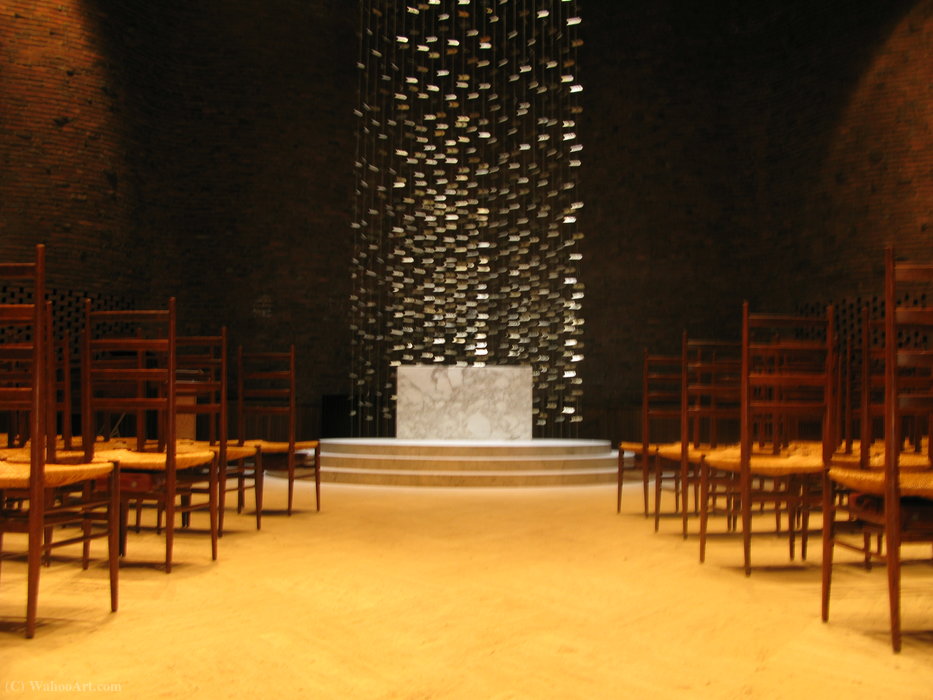
Mit chapel (2)
 Razviljaj več
Kupite digitalno sliko visoke ločljivosti z izboljšano kakovostjo, ki je precej boljša od spletnega predogleda.
Vsaka datoteka je pod natančnim nadzorom naših strokovnjakov, ki uporabljajo napredna orodja in strokovno ročno obdelavo. Zagotovimo, da ima vsaka slika izjemno jasnost, natančnost barv in fine podrobnosti.
Končna datoteka je po e-pošti dostavljena v 72 urah, optimizirana za takojšnjo uporabo v profesionalnem, uredniškem in tiskarskem okolju. To je kakovost, ki ji zaupajo vrhunska oblikovalna studia, založniki in galerije.
Digitalna slika
Prenesite datoteko visoke ločljivosti za osebno uporabo, tiskanje in kreativne projekte. ( Kupi tisk Kupi ročno naslikano sliko)
Vključeno v vsako naročilo digitalne slike
Zagotovljena strokovna digitalna dostava
Ko izberete ArtsDot.com, ne prejmete le slike – prejmete digitalno umetniško delo, ki je profesionalno urejeno, izdelano z natančnostostjo in zavestno zagotovljeno z garancijo za zadovoljstvo. Tukaj je vse, kar samodejno prejmete z vašim naročilom:

Hitra dostava prek e-pošte
Vaša digitalna slika visoke ločljivosti bo na vaš e-naslov poslana v roku 72 ur od zaklopa naročila – pripravljena za takojšnjo uporabo.

Digitalna datoteka z umetno inteligenco
Vaše umetniško delo je strokovno optimizirano z uporabo naprednih orodij umetne inteligence in ročne obdelave, kar zagotavlja največjo stopnjo podrobnosti, jasnosti in barvne natančnosti.

Brezplačna ponovna dostava za vse življenje
Ste zaradi nespremietne napake izgubili ali izbrisali svojo datoteko? Ni težav – vam jo bomo ponovno poslali kadar koli in brezplačno.

Brez uvoznih pristojbin – vedno
Uživajte v svojem umetniškem delu takoj, brez carin, davkov ali stroškov dostave – digitalni prenosi so vedno brezdavčni.

Zagotovilo natančnosti barv
Z uporabo profesionalnih orodij in upravljanja barv zagotavljamo, da vaša digitalna slika čim bolj natančno odraža prvotne barve.

60-dnevna garancija zadovoljstva
Če niste zadovoljni s svojo digitalno sliko, jo bomo uredili ali vam v 60 dneh povrnili 100% denarja – brez kakršnih koli vprašanj.

100% Garancija povračila denarja
Niste zadovoljni? Zagovрите popoln povračilo sredstev v 60 dneh po prejemu digitalne datoteke – brez kakršnih koli vprašanj.

Popusti pri večjem številu naročil
Kupite 3 slike, prihranite 10% - Kupite 5 slik, prihranite 15% - Kupite 10+ slik, prihranite 20%. Odlično za kreativne projekte, galerije in agencije.
Biografija umetnika
A Life Forged in Metal: The Artistic Journey of Harry Bertoia
Born under the Italian sun in San Lorenzo d'Arzene, Pordenone, on March 10th, 1915, Harry Bertoia’s life was a testament to the transformative power of artistic vision. His early years were steeped in the traditions of his homeland, where he began drawing classes even before immigrating with his brother Oreste to Detroit, Michigan, at the tender age of fifteen. This relocation marked not an abandonment of his artistic inclinations, but rather a bold leap into a new world brimming with industrial possibility. Detroit’s vibrant art scene and technical schools provided fertile ground for Bertoia's burgeoning talent; he quickly immersed himself in studies at Cass Technical High School, honing skills in jewelry making that would later inform his sculptural explorations. His formal training continued at the Detroit Society of Arts and Crafts, culminating in a pivotal scholarship to Cranbrook Academy of Art in 1937. Cranbrook proved to be an intellectual crucible, bringing him into contact with luminaries like Charles and Ray Eames, Eero Saarinen, and Florence Knoll – figures who would shape not only his career but the landscape of mid-century modern design itself. It was at Cranbrook that Bertoia began teaching metalworking, sharing his passion and expertise while simultaneously refining his own artistic voice.From Furniture to Sonic Landscapes
Bertoia’s professional trajectory took a significant turn in 1943 when he moved to California to collaborate with Charles and Ray Eames at the Molded Plywood Division of the Evans Product Company. While often informally credited with the ingenious metal spine and leg structure of their iconic plywood chairs, his contributions extended beyond mere technical assistance; it was here that Bertoia began to truly understand the interplay between form, function, and material. This experience paved the way for his association with Knoll Associates in 1949, a partnership that would yield some of his most celebrated designs. The “Diamond Chair,” unveiled in 1952, became an instant landmark – a sculptural marvel crafted from welded steel rods, simultaneously elegant and industrial, comfortable yet undeniably artistic. Its success allowed Bertoia the financial freedom to dedicate himself fully to sculpture by the early 1960s, a dream long held within his creative spirit. He didn’t simply create furniture; he sculpted inhabitable spaces, blurring the lines between design disciplines. This transition wasn't abrupt but rather a natural evolution, driven by an insatiable curiosity and a desire to explore the expressive potential of metal in its purest form. He secured numerous large-scale architectural commissions, leaving his mark on institutions like the General Motors Tech Center, Dulles International Airport, and Philadelphia’s Civic Center – testaments to his ability to translate artistic vision into monumental public works.The Poetry of Sound: Sonambient Sculptures
However, Bertoia's artistic exploration didn’t end with visual form. In the 1970s, he embarked on a fascinating and largely uncharted path – the creation of “sounding sculptures.” These weren’t merely objects to be seen; they were instruments designed to be *heard*. Constructed from rods of varying lengths and widths, these delicate metal structures produced an ethereal range of tones when touched or brushed. Bertoia wasn't interested in creating traditional musical instruments but rather in evoking a sense of atmosphere, a sonic landscape that resonated with the natural world. He meticulously documented these sounds, resulting in a series of eleven albums titled “Sonambient.” These recordings weren’t polished studio productions; they were raw, organic expressions of the sculptures themselves, often incorporating ambient sounds like wind and rain to create immersive auditory experiences. This pioneering work firmly established Bertoia as a forerunner of sound art, anticipating contemporary explorations of the relationship between sculpture, music, and environmental acoustics. He intentionally eschewed titles for his artworks, believing that they should exist beyond categorization, speaking directly to the viewer’s or listener's experience without the constraints of linguistic definition.Legacy and Enduring Influence
Harry Bertoia passed away on November 6th, 1978, in Barto, Pennsylvania, leaving behind a body of work that continues to inspire awe and provoke contemplation. His influence permeates both design and sculpture. The Diamond Chair remains an enduring icon of mid-century modernism, endlessly replicated and admired for its innovative form and masterful craftsmanship. His large-scale public sculptures grace civic spaces across the United States, offering moments of quiet reflection amidst the bustle of urban life. But perhaps his most profound legacy lies in his pioneering exploration of sound art – a field that has blossomed in recent decades, owing much to Bertoia’s early experiments. He demonstrated that sculpture could be more than just an object; it could be an experience, a catalyst for emotional resonance, and a conduit to the unseen forces of nature. His work embodies a rare synthesis of artistic vision, technical skill, and philosophical inquiry – qualities that ensure his place as one of the most significant artists of the 20th century. The Harry Bertoia Foundation continues to preserve and promote his legacy, ensuring that future generations will continue to be captivated by the poetry forged in metal and sound.A Family Tradition Continues
- Harry’s son, Val Bertoia (b. 1949), carries on his father's artistic legacy.
- Val creates kinetic, sound sculptures inspired by nature and music.
- His work has been featured in major museums like MoMA and the Metropolitan Museum of Art.

Harry Bertoia
1915 - 1978 , Italy
Ključne informacije
- Artistic Movement Or Style: Mid-century modern
- Artists Or Movements Influenced By This Artist:
- Val Bertoia
- Sound art pioneers
- Artists Who Influenced This Artist:
- Charles Eames
- Ray Eames
- Walter Gropius
- Date Of Birth: March 10, 1915
- Date Of Death: November 6, 1978
- Full Name: Harry Bertoia
- Nationality: Italian-American
- Notable Artworks:
- Diamond Chair
- Sonambient sculptures
- Untitled (1970)
- Chairs by Harry Bertoia
- Place Of Birth: San Lorenzo, Italy

