
- Domov

- Digitalna slika
- gianfranco baruchello
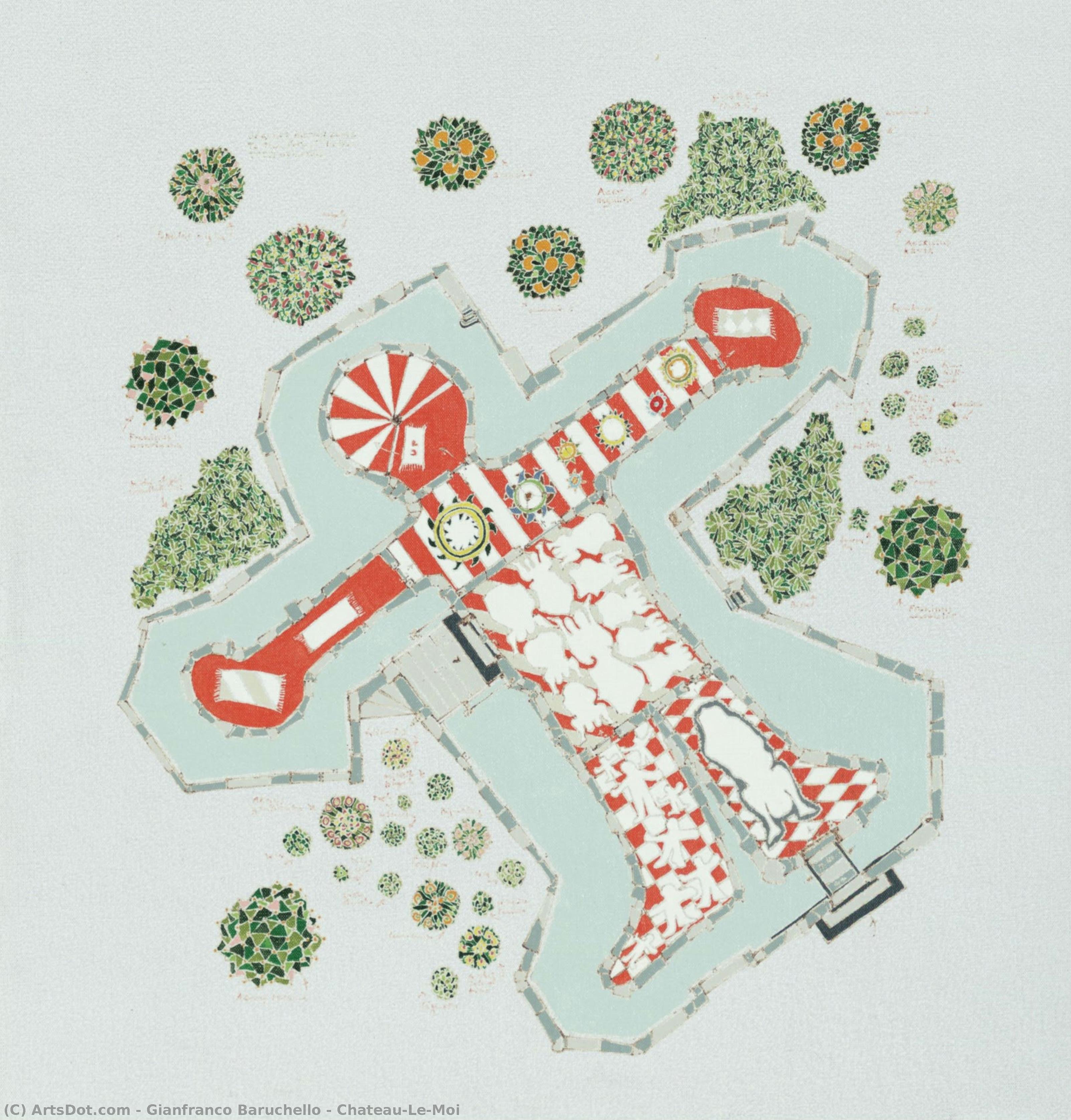
- Chateau-Le-Moi
 Preview
 Kupi tiskanino Naročite reprodukcijo
 Pošlji
 Deli
Deli
 Podrobnosti o delu
 Dodaj v priljubljene

 Prenesi
 Podobni izdelki
 Rentgenski posnetek
 Predvajaj diaporama
Chateau-Le-Moi

 Razviljaj več
Kupite digitalno sliko visoke ločljivosti z izboljšano kakovostjo, ki je precej boljša od spletnega predogleda.
Vsaka datoteka je pod natančnim nadzorom naših strokovnjakov, ki uporabljajo napredna orodja in strokovno ročno obdelavo. Zagotovimo, da ima vsaka slika izjemno jasnost, natančnost barv in fine podrobnosti.
Končna datoteka je po e-pošti dostavljena v 72 urah, optimizirana za takojšnjo uporabo v profesionalnem, uredniškem in tiskarskem okolju. To je kakovost, ki ji zaupajo vrhunska oblikovalna studia, založniki in galerije.
Digitalna slika
Prenesite datoteko visoke ločljivosti za osebno uporabo, tiskanje in kreativne projekte.
Vključeno v vsako naročilo digitalne slike
Zagotovljena strokovna digitalna dostava
Ko izberete ArtsDot.com, ne prejmete le slike – prejmete digitalno umetniško delo, ki je profesionalno urejeno, izdelano z natančnostostjo in zavestno zagotovljeno z garancijo za zadovoljstvo. Tukaj je vse, kar samodejno prejmete z vašim naročilom:

Hitra dostava prek e-pošte
Vaša digitalna slika visoke ločljivosti bo na vaš e-naslov poslana v roku 72 ur od zaklopa naročila – pripravljena za takojšnjo uporabo.

Digitalna datoteka z umetno inteligenco
Vaše umetniško delo je strokovno optimizirano z uporabo naprednih orodij umetne inteligence in ročne obdelave, kar zagotavlja največjo stopnjo podrobnosti, jasnosti in barvne natančnosti.

Brezplačna ponovna dostava za vse življenje
Ste zaradi nespremietne napake izgubili ali izbrisali svojo datoteko? Ni težav – vam jo bomo ponovno poslali kadar koli in brezplačno.

Brez uvoznih pristojbin – vedno
Uživajte v svojem umetniškem delu takoj, brez carin, davkov ali stroškov dostave – digitalni prenosi so vedno brezdavčni.

Zagotovilo natančnosti barv
Z uporabo profesionalnih orodij in upravljanja barv zagotavljamo, da vaša digitalna slika čim bolj natančno odraža prvotne barve.

60-dnevna garancija zadovoljstva
Če niste zadovoljni s svojo digitalno sliko, jo bomo uredili ali vam v 60 dneh povrnili 100% denarja – brez kakršnih koli vprašanj.

100% Garancija povračila denarja
Niste zadovoljni? Zagovрите popoln povračilo sredstev v 60 dneh po prejemu digitalne datoteke – brez kakršnih koli vprašanj.

Popusti pri večjem številu naročil
Kupite 3 slike, prihranite 10% - Kupite 5 slik, prihranite 15% - Kupite 10+ slik, prihranite 20%. Odlično za kreativne projekte, galerije in agencije.
Opis digitalnega artefakta
Biografija umetnika
Gianfranco Baruchello: Architect of the Unseen
Gianfranco Baruchello’s life and art represent a profound, almost hermetic engagement with the complexities of modern existence – a relentless interrogation of language, perception, and the very nature of representation. Born in Livorno, Italy, in 1924, into a family steeped in both legal and industrial tradition, Baruchello’s early years were shaped by the turbulent backdrop of post-war Italy and the lingering shadow of Fascism. His father, a prominent figure in the General Fascist Confederation for Italian Industry, instilled in him a critical awareness of societal structures, while his mother's role as an elementary school teacher fostered a deep appreciation for the power of communication. This confluence of influences would profoundly shape Baruchello’s artistic trajectory, leading him to develop a uniquely challenging and intellectually rigorous practice. Early experimentation in the late 1950s saw Baruchello navigating the currents of informal and neo-Dada movements, exploring themes of word, object, and painting – all within the context of burgeoning dialogues between art and everyday life. He moved fluidly between Rome, Paris, and New York, immersing himself in a vibrant intellectual landscape populated by writers like Calvino and Sanguineti, philosophers such as Lyotard, and artists including Marcel Duchamp, Roberto Matta, and Alan Jouffroy. The encounter with Duchamp proved particularly transformative, establishing a foundational relationship built on shared skepticism towards traditional artistic conventions and a fascination with the conceptual underpinnings of art itself. This period laid the groundwork for Baruchello’s distinctive approach – one characterized by a deliberate blurring of boundaries between disciplines and a constant questioning of established systems. A pivotal moment in his career arrived in 1962, when he was invited to participate in “New Realists,” a landmark exhibition at Sidney Janis Gallery in New York. This inclusion marked Baruchello’s entry onto the international stage and solidified his position within the burgeoning movement that sought to redefine the role of art in a rapidly changing world. The exhibition showcased his early explorations with black stripes, canvases imbued with fragmented symbols and seemingly random geometric lines – works that reflected a deep engagement with the anxieties and uncertainties of the era. Simultaneously, he began a series of ambitious projects, most notably *Artiflex* (1968), a fictitious company designed to expose the mechanics of the art market and challenge conventional notions of authorship and ownership. Through this provocative undertaking, Baruchello critiqued consumerism, industrial production, and the commodification of artistic labor – themes that would continue to resonate throughout his career. Baruchello’s practice extended far beyond painting, encompassing film, literature, happenings, and even agricultural experimentation. His 1973 establishment of *Agricola Cornelia SpA* on the outskirts of Rome represents a particularly fascinating chapter in his artistic journey. This venture wasn't merely a foray into farming; it was a meticulously constructed allegory – a microcosm reflecting broader societal concerns about land ownership, economic systems, and the relationship between humanity and nature. The farm became a site for experimentation, critique, and ultimately, a profound meditation on the complexities of existence. He described his work as “to make sense of the *use*and *maintenance*of concepts starting from the *percepti*, considering the error and the loss of quality as a *motif*for the discovery of the diversity.” In later years, Baruchello shifted his focus to architecture and living spaces, culminating in the creation of gardens and forests – environments that served as extensions of his artistic investigations. His work consistently prioritized the exploration of uncertainty, embracing ambiguity and challenging viewers to actively engage with the inherent contradictions within his creations. Gianfranco Baruchello’s legacy lies not simply in a collection of artworks, but in a profound philosophical approach to art-making – one that continues to inspire artists and thinkers today. He died in 2023 at the age of ninety-eight, leaving behind a body of work characterized by its intellectual rigor, emotional depth, and unwavering commitment to challenging conventional modes of thought.
gianfranco baruchello
1924 -
Ključne informacije
- Artistic Movement Or Style: Surrealism, experimental art
- Artists Or Movements Influenced By This Artist:
- Neo-Dada
- Pop Art
- Artists Who Influenced This Artist:
- Marcel Duchamp
- John Cage
- Date Of Birth: August 24, 1924
- Date Of Death: January 14, 2023
- Full Name: Gianfranco Baruchello
- Nationality: Italian
- Notable Artworks:
- Zero Has No Counterpart
- Chateau-Le-Moi
- The Much Beloved Brother
- Place Of Birth: Livorno, Italy

