


 Preverite v realnem okolju
 Pošlji kot čestitko
 Deli
Deli
 Podrobnosti
 Priročnik

 Prenesi
 Podobni artefakti
 Rentgenski posnetek
 Predvajaj diaporama
 Statistika
The Studio (III)
 Oil On Canvas
- WallArt
- Cubist Still Life
 1949
1949- Modern
 144.0 x 174.0 cm
 Preberi več
Umetniška dela, prikazana na tej strani, so zaščitena z avtorskimi pravicami, kar pomeni, da po zakonu ne moremo ustvarjati ali prodajati identičnih reprodukcij. Ta zaščita se izvaja v skladu z mednarodnimi sporazumi, kot so Bernska konvencija in po nacionalnih zakonih, vključno s tistimi, ki jih določa Zakon o avtorskih pravicah ZDA – naslov 17.
Ta način v celoti upošteva zakonodajo o avtorskih pravicah, saj ne vključuje kopiranja ali podvajanja zaščitena umetniškega dela. Namesto tega gre za kreativno preinterpretacijo – novo sliko, ki je navdihnjen rezultat originala, vendar ni z njim identična.
Giclée tisk / Umetniški tisk
Giclée ali platnati odtis muzejske kakovosti z hitro proizvodnjo in prilagodljivimi možnostmi končne obdelave. ( Naročite ročno slikano reprodukcijo Preklop na digitalno sliko)




P118B €10

P118H €10

P118W €10

P438Z €10

P508JH €12

P508YH €12

P805H €10

P805Z €10

P919BZ €10

P919G €10

P919XJ €10

P959ZH €10

P968JZ €12

W106C €8

W218G €10

W218JH €8

W218Y €10

W307PJ €10

W316G €10

W316PJ €8

W316Y €10

W398PJ €8

W4111J €10

W500HY €15

W500JH €15

W692G €12

W849H €8

W940BG €15

W953PJ €8




Izberite eno od naših vnaprej določenih velikosti, ki ustrezajo prvotnim proporcijam umetničkega dela.

Vnesite širino in višino, ki jih potrebujete za svoj okvir ali steno. Tiskanje se lahko le odreže, vendar ga ni mogoče narediti večjega od slike, zato format z drugačno obliko pomeni izgubo dela slike. Pred tiskanjem vam pošljemo digitalni predogled za potrditev. Slika, prikazana na tej strani, ne prikazuje dejanskega izrezkov — le predogled to omogoča.
Globalna dostava () v 2 tednih namesto standardnih 4/5 tednov. (22 oktober)

Brezplačna ekspresna dostava po vsem svetu

Visokokakovostno laneno platno

Popolno zavarovanje pošiljke

Garancija povračila carine in uvoznih davkov

Garancija popolnega barvnega ujemanja

Politika vračila v 100 dneh (le v primeru okvar)

Garancija 100% povračila denarja

Popust pri večjem naročilu
 Možnost stekla je na voljo le za velikosti pod 110 cm

The Studio (III)
Giclée tisk / Umetniški tisk
Velikost reprodukcije
-


Skupna cena
€ 54
A Fragmented Workspace
The painting The Studio (III), executed by Georges Braque in 1949, presents a room viewed through a fractured lens. The composition is built from geometric planes, primarily rectangular and angular shapes that overlap to reconstruct the interior of an artist's workspace. Within this space, several objects are discernible: a chair, a table, a window, knives, and a clock. These elements do not appear as unified, continuous forms but are instead dissected into intersecting fragments. The palette is restrained, consisting largely of browns, ochres, and creams. This choice of color emphasizes the materiality of the scene. A person is positioned within the room, appearing to observe or interact with the surrounding objects.
The technique utilizes the principles of Cubism to reject traditional illusionistic perspective. Instead of a single, static viewpoint, the artist employs multiple perspectives simultaneously. The window and the furniture are broken into shapes that create spatial ambiguity. This method focuses on the underlying structure of the subject matter rather than its surface appearance. The light in the studio is subdued, contributing to a sense of quietude within the composition.
Symbolism and Historical Context
The objects placed throughout the studio carry specific weight within the 1949 composition. The scattered knives represent the tools used in the process of creation and destruction. A clock hangs near the center of the painting, marking the passage of time and the persistence of the creative process. These items are integrated into the geometric structure to define the atmosphere of focused observation. The stillness of the still life setting allows for a contemplation of the act of making art.
This work emerged from a period of significant artistic development in Paris. Braque's approach in this mature period reflects his earlier involvement with Fauvism and his subsequent development of both Analytical and Synthetic Cubism alongside Pablo Picasso. While his earlier collaborations focused on flattening planes and monochromatic tones, this 1949 work demonstrates a refined use of form. The painting captures the tension between the physical reality of the studio tools and the intellectual experimentation of the artist's vision.
Vprašanja in odgovori
V katero obdobje kariere Žorž Braq pripada delo "The Studio (III)"?
V okviru kariere umetnika Žorž Braq velja, da delo "The Studio (III)" pripada obdobju Mature Cubism. Ta faza omogoča primerjavo z ostalimi umetnikovimi deli.
Kje lahko kupim tiskanino dela "The Studio (III)" avtorja Žorž Braq?
Če želite naročiti tiskanino dela "The Studio (III)" avtorja Žorž Braq, jo preprosto naročite na njegovi strani Kakovostna tiskanina: umjetnička grafika na bombažnem platnu ali arhivskem papirju za platno.
Pri katerih dimenzijah se priporoča tiskanje dela "The Studio (III)"?
Za "The Studio (III)" avtorja Žorž Braq priporočamo reprodukcijo v velikosti Large. Velikost je mogoče prilagoditi, pri čemer se ohranijo razmerja.
Sorodna umetniška dela


Biografija umetnika
Zgodna mladost in umetniške temelji
Georges Braque, rojen v Argenteuilu v Franciji leta 1882, se je odzivno vključil v pot, ki je bila globoko prepletena z razvijajočo se pokrajino moderne umetnosti. Njegovo vzgojeno okolje v družini molerjev in dekoraterjev mu ni podarilo le tehničnega znanja o materialih, temveč tudi zgodnje razumevanje forme in strukture. Čeprav je sprva sledil očetovem poklicu, so ga Braqueove naravne umetniške nagnjenosti kmalu vodile na formalno izobraževanje na École des Beaux-ts-Arts v Le Havreju, kar je označilo začetek njegove poti do postajanja enega najvplivnejših slikarjev 20. stoletja. Ta temelj—mešanica praktičnega krojevanja in akademskega študija—se bo kasneje izkazal ključnega, ko bo dekonstruiral in ponovno zamislil tradicionalne umetnostne konvencije.
Z preselitvom v Par way leta 1902 je Braque nadaljeval svoje študije na Académie Humbert in se potopil v živahno umetniško okolje mesta. Prav tukaj je spoznal umetnike, kot sta Marie Laurencin in Francis Picabia, ter vzpostavil povezave, ki bodo oblikovale njegov zgodnji razvoj. Njegova začetna dela so odražala prevladujoče vlive impresionizma in postimpresionizma, toda ključni srečanje z drznimi barvami in izrazno svobodo fauvizma leta eksplicitno je v njegovo umetniško raziskovanje vneslo novo smer.
Objem fauvizma in vprašanje kubizma
Braqueova sprejetje načel fauvizma—ki jih zaznamujejo intenzivne, nenaturalistične barve in čustvena ekspresija—je živopisno prikazano v slikah, kot je Potrpežljivost. V tem obdobju je sodeloval z umetniki, kot sta Henri Matisse in André Derain, pri eksperimentiranju z živahnimi paletami in poenostavljenimi oblikami. Vendar Braqueova vpletenost v fauvizm ni bila zgolj imitativna; v hareket je vnesel edinstveno občutljivost, s čimer je neobazano obilje gibanja ublažil z bolj vzdržnim in analitičnim pristopom.
Prelomnica je prišla leta 1907 z izpostavljenostjo retrospektivne izložbe dela Paula Cézanneja. Cézannejev poudarek na geometričnih oblikah in več perspektiv je globoko vplivnal na Braqueja in postavil odro v njegovo revolucionarno sodelovanje s Pablo Picasssom. Od leta _1908_ sta ta dva umetniška titan začela obdobje intenzivnega intelektualnega izmenjavanja, ki se je rodilo v kubizmu—revolucionarnem gibanju, ki je razbilo tradicionalne predstave。
Skupaj sta Braque in Picasso razvijala analitični kubizem, s čimer so razložili predmete v razdrobljene geometrične oblike in hkrati predstavljali več pogledov. Dela, kot so Hiše pri L'Estaque, prikazujejo to zgodnjo fazo, ki kaže radikalno odstopanje od konvencionalne perspektive in osredotočenost na podložno strukturo oblik. Njuna paleta je postala namerno utišana, s poudarkom na formi namesto barve, saj sta želela predstaviti celovitost prisotnosti predmeta namesto le njegovega videza.
Inovacija skozi fragmentacijo in kolaž
Partnerstvo med Braqueom in Picasssom je še naprej premikalo meje umetniške izraznosti, kar je vodilo do razvoja sintetičnega kubizma okoli leta 1912. Ta faza je prinesla uvedbo kolaža—vključevanje materialov iz realnega sveta, kot so koščki časopisov, tapete in tkanine, v slike. Ta inovacija je izzivala tradicionalno hierarhijo med slikarstvom in kiparstvom ter zameglila meje med umetnostjo in življenjem.
Braqueova pionirska uporaba *papier collé* (lepljen papir) je označila pomembno obr_{[n]t_v} v njegovi umetniški evoluciji. Z integracijo fragmentov vsakdanjih predmetov v svoje kompozicije je pretrgel iluzionistični prostor tradicionalnega slikarstva in uvedel novo raven materialnosti in teksture. Ta tehnika ni le razširila formalnih možnosti umetnosti, temveč je odražala tudi naraščajoče zanimanje za odnos med predstavljanjem in realnostjo.
Izbruh Prve svetovne vojne leta 1914 je prinesel prekinitev te intenzivne sodelovanja, saj je bil Braque poklican v vojski. Njegove vojenjske izkušnje so globoko vplivale na njegovo umetniško vizijo in ga vodile k raziskovanju bolj osebnih in lirskih tem v njegovemdovojnem delu.
Pozne leta in trajna dediščina
Po vojni se je Braqueov slog razvijal dlje od strogih okvirov kubizma, vključujoč elemente klasične kompozicije in obnovljeno zanimanje za življenjsko sliko. Čeprav je ohranil geometrične vlive, ki so definirali njegovo zgodnje delo, je razvil bolj poglobljen in kontemplativen pristop k slikarstvu. Njegove pozne pejzage in notranji prostori so značilni po svojem mirnem vzdušju in subtilnih harmonijah barv.
skozi celotno svojo kariero je Braque ostal predan raziskovanju temeljnih načel forme, prostora in predstavljanja. Nadaljeval je z eksperimentiranjem z različnimi materiali in tehnikami ter premikal meje umetniške izraznosti vse do svoje smrti leta _1963_. Njegov vpliv na naslednje generacije umetnikov je neizmeren; oblikoval je pot moderne umetnosti in navdihoval štejne slikarje, kiparje in kolažiste.
Dediščina Georges Braquea presega njegova individualna dela; fundamentalno je spremenil naše razumevanje tega, kako zaznavamo in predstavljamo svet okoli nas. Njegov sodelovalni duh s Picasssom, v kombinaciji z njegovo lastno edinstveno umetniško vizijo, je utrdil njegovo mesto pravega pionirja moderne umetnosti—mojstra, ki se je upal izzvati konvencije in ponovno definirati možnosti slikarstva.
Vplivi in pomembna dela
- Vplivavali mu: Henri Matisse, André Derain, Paul Cézanne
- Ključna dela: Houses at L'Estaque, The Patience, Violin and Palette, Mandola
- Vpliv na umetnostno zgodovino: Revolucioniral umetnost 20. stoletja skozi kubizem; izzval tradicionalne predstave perspektive in predstavljanja.
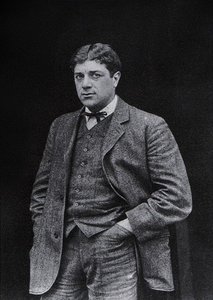
Žorž Braq
1882 - 1963 , Francija
Ključne informacije
- Artistic Movement Or Style: Kubizem
- Artists Who Influenced This Artist:
- Henri Matisse
- André Derain
- Paul Cézanne
- Date Of Birth: 13 maj 1882
- Date Of Death: 31 avgust 1963
- Full Name: Georges Braque
- Nationality: Francoz
- Notable Artworks:
- Živali na L'Estaque
- Četrtičje
- Violino in pipa
- Place Of Birth: Argenteuil, Francija
Sorodni članki

Giclée Prints: Archival Quality & Aesthetic Nuances for the Discerning Collector
Explore the world of giclée prints with ArtsDot. Learn about archival quality, aesthetic nuances & investment potential. Expert guidance for discerning art collectors seeking museum-quality reproductions and lasting value.

Georges Braque: 25 Mojstrovinskih Del za Navdih v Vašem Domu | ArtsDot
Odkrijte 25 mojstrovinskih del Georgesa Braqueja – pionirja kubizma! Preberite zgodbe za vsako sliko, tehnike in navdih. Reprodukcije slik visoke kakovosti za vaš dom na ArtsDot.com.

Deconstructing Reality: Cubism's Revolutionary Impact on 20th-Century Art
Explore the revolutionary world of Cubism with ArtsDot. Discover Picasso & Braque's groundbreaking techniques, its philosophical roots, and lasting impact on modern art. Expert insights for collectors.

Deconstructing Identity: A Comprehensive Exploration of Cubist Portraiture
Explore the revolutionary world of Cubist portraiture with our comprehensive guide. Discover Picasso, Braque, Gris & the movement's impact on modern art. Expert analysis for collectors and enthusiasts.

Cubism's Revolution: 10 Masterpieces That Redefined Modern Art | ArtsDot
Explore 10 Cubist masterpieces by Picasso, Braque & more! Delve into the history of this revolutionary art movement. Find museum-quality reproductions and elevate your home decor with ArtsDot. Discover all masterpieces on ArtsDot.com


