


 Predogled
 Pošlji
 Deli
Deli
 Podrobnosti o delu

 Prenesi
 Podobni izdelki
 Rentgenski posnetek
 Predvajaj diaporama
Patience


 Razviljaj več
Ročno izdelana oljna reprodukcija
Ročno slikano olje na platnu v vaši izbiri velikosti in okvirja, izdelano po naročilu naših umetnikov. ( Kupi tisk Kupi digitalno sliko)




P118B $10

P118H $10

P118W $10

P438Z $10

P508JH $12

P508YH $12

P805H $10

P805Z $10

P919BZ $10

P919G $10

P919XJ $10

P959ZH $10

P968JZ $12

W106C $8

W218G $10

W218JH $8

W218Y $10

W307PJ $10

W316G $10

W316PJ $8

W316Y $10

W398PJ $8

W4111J $10

W500HY $15

W500JH $15

W692G $12

W849H $8

W940BG $15

W953PJ $8




Izberite eno od naših vnaprej določenih velikosti, ki ustrezajo prvotnim proporcijam umetničkega dela.

Svoje dimenzije lahko vnesete tako, da se prilagodite določenemu okvirju ali prostoru. Če izbrana velikost ne ustreza razmerjem originalne slike, bomo umetniško delo obrezali ali sliko dopolnili z dodatnimi ročno naslikanimi elementi. Pred začetkom proizvodnje vam bo poslan digitalni osnutek v odobritev.
Upoštevajte, da predogled na zaslonu ne odraža dejanskega obrezovanja ali podaljšanja. Le osnutek bo natančno prikazal končno kompozicijo.
Čeprav so na voljo velikosti po meri, priporočamo izbiro dimenzije s preddefiniranega seznama, da ohranimo originalne razmere.
Po oddaji naročila bo ekipa ArtsDot.com stranki po e-pošti poslala navodila in predogled digitalnega predogleda.
Svetska dostava () za 3/4 nedelje umesto uobičajenih 5 nedelja. (5 september). Bez kompromisa po pitanju kvaliteta.

Brezplačna ekspresna dostava po vsem svetu

Visokokakovostno laneno platno

Popolno zavarovanje pošiljke

Garancija povračila carine in uvoznih davkov

Garancija popolnega ujemanja barv

60-dnevna politika vračanja (le v primeru napak)

Garancija 100% povračila denarja

Popust pri večjem naročilu
 Možnost stekla je na voljo le za velikosti pod 110 cm

Patience
Tehnika reprodukcije
Velikost reprodukcije
-


Skupna končna cena
$ 263
Georges Braque's "Patience": A Study in Still Life and Modernity
Georges Braque’s “Patience,” painted during a pivotal period of artistic experimentation, offers a compelling glimpse into the nascent concerns of early 20th-century modernism. This seemingly simple depiction of a woman seated at a table – laden with bottles, cups, and two cakes – is far more than a mere arrangement of objects; it’s a carefully constructed meditation on form, space, and the very nature of representation. Braque, working alongside Pablo Picasso during this intensely creative phase, was dismantling traditional approaches to painting, pushing boundaries through radical simplification and an obsessive focus on geometric reduction.
- Subject Matter: The subject itself – a woman engaged in quiet contemplation – is deliberately ambiguous. It’s not a portrait in the conventional sense, but rather a symbolic representation of leisure, perhaps even boredom or anticipation.
- Style and Technique: Braque's technique here exemplifies his contribution to Cubism. He employs flattened planes, fragmented forms, and multiple perspectives simultaneously, challenging the viewer’s perception of depth and space. The meticulous detail in rendering the objects – the textures of the bottles, the delicate icing on the cakes – contrasts sharply with the overall reduction of form, creating a dynamic tension within the composition.
Historical Context: The Birth of Cubism
“Patience” was created during the early years of Cubism (roughly 1907-1914), a revolutionary movement that fundamentally altered the course of Western art. Braque and Picasso, along with Juan Gris, were instrumental in developing this style, which rejected single viewpoints and instead presented objects from multiple angles simultaneously on a two-dimensional surface. This approach was directly influenced by Paul Cézanne’s emphasis on geometric forms and his exploration of space through linear perspective. The painting reflects the intellectual ferment of the time – a rejection of academic conventions and an embrace of new ways of seeing and representing the world.
- Influence of Cézanne: Braque's use of planes and his interest in depicting objects from multiple viewpoints clearly demonstrate the profound influence of Paul Cézanne, whom he considered a key precursor to Cubism.
- Parisian Artistic Circle: The painting was created within the vibrant artistic community of Paris, a hub for innovation and experimentation during this period. Braque’s interactions with other artists like Marie Laurencin undoubtedly shaped his evolving style.
Symbolic Layers and Emotional Resonance
Beyond its formal qualities, “Patience” invites interpretation through its symbolic elements. The objects on the table – bottles, cups, cakes – are not merely decorative; they carry a range of associations. The bottles could represent intoxication or indulgence, while the cakes symbolize pleasure and celebration. The woman’s posture suggests a state of quiet contemplation, perhaps reflecting on life's complexities or simply enjoying a moment of respite. Braque masterfully evokes a sense of stillness and introspection, inviting the viewer to share in this private moment.
- Color Palette: The muted color palette – dominated by browns, ochres, and grays – contributes to the painting’s somber mood and reinforces its emphasis on form over color.
- Emotional Impact: Despite its intellectual rigor, “Patience” possesses a subtle emotional resonance, capturing a fleeting moment of tranquility and inviting viewers to contemplate their own experiences of stillness and reflection.
A Masterpiece of Modern Art – Recreated for You
ArtsDot offers meticulously crafted hand-painted reproductions of Georges Braque’s “Patience,” allowing you to bring this seminal work of modern art into your home or office. Our skilled artisans employ the same techniques and attention to detail as Braque himself, ensuring an authentic representation of this iconic painting. Whether you are a seasoned collector, an admirer of early 20th-century art, or simply seeking a unique piece of décor, our reproduction of “Patience” is a timeless investment that will enrich your space for years to come.
Sorodna umetniška dela


Biografija umetnika
Zgodna mladost in umetniške temelji
Georges Braque, rojen v Argenteuilu v Franciji leta 1882, se je odzivno vključil v pot, ki je bila globoko prepletena z razvijajočo se pokrajino moderne umetnosti. Njegovo vzgojeno okolje v družini molerjev in dekoraterjev mu ni podarilo le tehničnega znanja o materialih, temveč tudi zgodnje razumevanje forme in strukture. Čeprav je sprva sledil očetovem poklicu, so ga Braqueove naravne umetniške nagnjenosti kmalu vodile na formalno izobraževanje na École des Beaux-ts-Arts v Le Havreju, kar je označilo začetek njegove poti do postajanja enega najvplivnejših slikarjev 20. stoletja. Ta temelj—mešanica praktičnega krojevanja in akademskega študija—se bo kasneje izkazal ključnega, ko bo dekonstruiral in ponovno zamislil tradicionalne umetnostne konvencije.
Z preselitvom v Par way leta 1902 je Braque nadaljeval svoje študije na Académie Humbert in se potopil v živahno umetniško okolje mesta. Prav tukaj je spoznal umetnike, kot sta Marie Laurencin in Francis Picabia, ter vzpostavil povezave, ki bodo oblikovale njegov zgodnji razvoj. Njegova začetna dela so odražala prevladujoče vlive impresionizma in postimpresionizma, toda ključni srečanje z drznimi barvami in izrazno svobodo fauvizma leta eksplicitno je v njegovo umetniško raziskovanje vneslo novo smer.
Objem fauvizma in vprašanje kubizma
Braqueova sprejetje načel fauvizma—ki jih zaznamujejo intenzivne, nenaturalistične barve in čustvena ekspresija—je živopisno prikazano v slikah, kot je Potrpežljivost. V tem obdobju je sodeloval z umetniki, kot sta Henri Matisse in André Derain, pri eksperimentiranju z živahnimi paletami in poenostavljenimi oblikami. Vendar Braqueova vpletenost v fauvizm ni bila zgolj imitativna; v hareket je vnesel edinstveno občutljivost, s čimer je neobazano obilje gibanja ublažil z bolj vzdržnim in analitičnim pristopom.
Prelomnica je prišla leta 1907 z izpostavljenostjo retrospektivne izložbe dela Paula Cézanneja. Cézannejev poudarek na geometričnih oblikah in več perspektiv je globoko vplivnal na Braqueja in postavil odro v njegovo revolucionarno sodelovanje s Pablo Picasssom. Od leta _1908_ sta ta dva umetniška titan začela obdobje intenzivnega intelektualnega izmenjavanja, ki se je rodilo v kubizmu—revolucionarnem gibanju, ki je razbilo tradicionalne predstave。
Skupaj sta Braque in Picasso razvijala analitični kubizem, s čimer so razložili predmete v razdrobljene geometrične oblike in hkrati predstavljali več pogledov. Dela, kot so Hiše pri L'Estaque, prikazujejo to zgodnjo fazo, ki kaže radikalno odstopanje od konvencionalne perspektive in osredotočenost na podložno strukturo oblik. Njuna paleta je postala namerno utišana, s poudarkom na formi namesto barve, saj sta želela predstaviti celovitost prisotnosti predmeta namesto le njegovega videza.
Inovacija skozi fragmentacijo in kolaž
Partnerstvo med Braqueom in Picasssom je še naprej premikalo meje umetniške izraznosti, kar je vodilo do razvoja sintetičnega kubizma okoli leta 1912. Ta faza je prinesla uvedbo kolaža—vključevanje materialov iz realnega sveta, kot so koščki časopisov, tapete in tkanine, v slike. Ta inovacija je izzivala tradicionalno hierarhijo med slikarstvom in kiparstvom ter zameglila meje med umetnostjo in življenjem.
Braqueova pionirska uporaba *papier collé* (lepljen papir) je označila pomembno obr_{[n]t_v} v njegovi umetniški evoluciji. Z integracijo fragmentov vsakdanjih predmetov v svoje kompozicije je pretrgel iluzionistični prostor tradicionalnega slikarstva in uvedel novo raven materialnosti in teksture. Ta tehnika ni le razširila formalnih možnosti umetnosti, temveč je odražala tudi naraščajoče zanimanje za odnos med predstavljanjem in realnostjo.
Izbruh Prve svetovne vojne leta 1914 je prinesel prekinitev te intenzivne sodelovanja, saj je bil Braque poklican v vojski. Njegove vojenjske izkušnje so globoko vplivale na njegovo umetniško vizijo in ga vodile k raziskovanju bolj osebnih in lirskih tem v njegovemdovojnem delu.
Pozne leta in trajna dediščina
Po vojni se je Braqueov slog razvijal dlje od strogih okvirov kubizma, vključujoč elemente klasične kompozicije in obnovljeno zanimanje za življenjsko sliko. Čeprav je ohranil geometrične vlive, ki so definirali njegovo zgodnje delo, je razvil bolj poglobljen in kontemplativen pristop k slikarstvu. Njegove pozne pejzage in notranji prostori so značilni po svojem mirnem vzdušju in subtilnih harmonijah barv.
skozi celotno svojo kariero je Braque ostal predan raziskovanju temeljnih načel forme, prostora in predstavljanja. Nadaljeval je z eksperimentiranjem z različnimi materiali in tehnikami ter premikal meje umetniške izraznosti vse do svoje smrti leta _1963_. Njegov vpliv na naslednje generacije umetnikov je neizmeren; oblikoval je pot moderne umetnosti in navdihoval štejne slikarje, kiparje in kolažiste.
Dediščina Georges Braquea presega njegova individualna dela; fundamentalno je spremenil naše razumevanje tega, kako zaznavamo in predstavljamo svet okoli nas. Njegov sodelovalni duh s Picasssom, v kombinaciji z njegovo lastno edinstveno umetniško vizijo, je utrdil njegovo mesto pravega pionirja moderne umetnosti—mojstra, ki se je upal izzvati konvencije in ponovno definirati možnosti slikarstva.
Vplivi in pomembna dela
- Vplivavali mu: Henri Matisse, André Derain, Paul Cézanne
- Ključna dela: Houses at L'Estaque, The Patience, Violin and Palette, Mandola
- Vpliv na umetnostno zgodovino: Revolucioniral umetnost 20. stoletja skozi kubizem; izzval tradicionalne predstave perspektive in predstavljanja.

Žorž Braq
1882 - 1963 , Francija
Hitri podatki
- Artistic Movement Or Style: Kubizem
- Artists Who Influenced This Artist:
- Henri Matisse
- André Derain
- Paul Cézanne
- Date Of Birth: 13 maj 1882
- Date Of Death: 31 avgust 1963
- Full Name: Georges Braque
- Nationality: Francoz
- Notable Artworks:
- Živali na L'Estaque
- Četrtičje
- Violino in pipa
- Place Of Birth: Argenteuil, Francija
Sorodni članki

Georges Braque: 25 Mojstrovinskih Del za Navdih v Vašem Domu | ArtsDot
Odkrijte 25 mojstrovinskih del Georgesa Braqueja – pionirja kubizma! Preberite zgodbe za vsako sliko, tehnike in navdih. Reprodukcije slik visoke kakovosti za vaš dom na ArtsDot.com.

Echoes of Time: Exploring the Enduring Appeal & Historical Context of Vintage Art Prints
Explore the captivating world of vintage art prints! Discover their history, collecting tips & enduring appeal. Expert insights on chromolithography and building a legacy collection with ArtsDot.

Giclée Prints: Archival Quality & Aesthetic Nuances for the Discerning Collector
Explore the world of giclée prints with ArtsDot. Learn about archival quality, aesthetic nuances & investment potential. Expert guidance for discerning art collectors seeking museum-quality reproductions and lasting value.
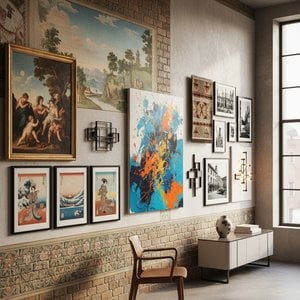
Transforming Spaces: A Comprehensive Exploration of Wall Decor Through Art History & Contemporary Practice
Explore the art of transforming spaces with our comprehensive guide to wall decor. From historical movements to contemporary trends, discover how to curate impactful interiors and commission bespoke artwork for a truly personalized aesthetic.

The Enduring Legacy of Fine Art Prints: Technique, History & Aesthetic Impact
Explore the rich history & techniques of fine art prints. Discover investment potential, assess authenticity, and learn how to preserve your collection with expert guidance. Trusted insights for discerning collectors.



