


 Preverite v realnem okolju
 Pošlji kot čestitko
 Deli
Deli
 Podrobnosti
 Priročnik

 Prenesi
 Podobni artefakti
 Rentgenski posnetek
 Predvajaj diaporama
 Statistika
Aquarium

 Preberi več
Umetniška dela, prikazana na tej strani, so zaščitena z avtorskimi pravicami, kar pomeni, da po zakonu ne moremo ustvarjati ali prodajati identičnih reprodukcij. Ta zaščita se izvaja v skladu z mednarodnimi sporazumi, kot so Bernska konvencija in po nacionalnih zakonih, vključno s tistimi, ki jih določa Zakon o avtorskih pravicah ZDA – naslov 17.
Ta način v celoti upošteva zakonodajo o avtorskih pravicah, saj ne vključuje kopiranja ali podvajanja zaščitena umetniškega dela. Namesto tega gre za kreativno preinterpretacijo – novo sliko, ki je navdihnjen rezultat originala, vendar ni z njim identična.
Giclée tisk / Umetniški tisk
Giclée ali platnati odtis muzejske kakovosti z hitro proizvodnjo in prilagodljivimi možnostmi končne obdelave. ( Naročite ročno slikano reprodukcijo Preklop na digitalno sliko)




P118B €10

P118H €10

P118W €10

P438Z €10

P508JH €12

P508YH €12

P805H €10

P805Z €10

P919BZ €10

P919G €10

P919XJ €10

P959ZH €10

P968JZ €12

W106C €8

W218G €10

W218JH €8

W218Y €10

W307PJ €10

W316G €10

W316PJ €8

W316Y €10

W398PJ €8

W4111J €10

W500HY €15

W500JH €15

W692G €12

W849H €8

W940BG €15

W953PJ €8




Izberite eno od naših vnaprej določenih velikosti, ki ustrezajo prvotnim proporcijam umetničkega dela.

Type the width and the height you need, to fit your frame or your wall. A print can only be cut, never made bigger than the picture, so a size with a different shape loses a part of the image. We send you a digital mockup to approve before we print anything. The picture shown on this page does not show the real cut — only the mockup does.
Globalna dostava () v 2 tednih namesto standardnih 4/5 tednov. (14 oktober)

Brezplačna ekspresna dostava po vsem svetu

Visokokakovostno laneno platno

Popolno zavarovanje pošiljke

Garancija povračila carine in uvoznih davkov

Garancija popolnega barvnega ujemanja

Politika vračila v 100 dneh (le v primeru okvar)

Garancija 100% povračila denarja

Popust pri večjem naročilu
 Možnost stekla je na voljo le za velikosti pod 110 cm

Aquarium
Giclée tisk / Umetniški tisk
Velikost reprodukcije
-


Skupna cena
€ 54
A Submerged World: Decoding Braque’s ‘Aquarium’
Georges Braque’s ‘Aquarium’ is a captivating departure from his more celebrated Cubist works, offering a glimpse into a dreamlike realm of fluid forms and subtle symbolism. This piece, created sometime during his prolific career (1882-1963), showcases a softer, more intuitive side of the artist, hinting at influences beyond the rigid structures he helped pioneer. While lacking definitive dating or size information, its impact lies in its evocative power and unique stylistic blend.Subject & Composition: A Dance of Forms
The artwork presents a surreal underwater scene – though ‘aquarium’ feels almost too contained for its expansive quality. Rather than literal depictions of fish, we encounter stylized, fragmented creatures swirling within layered circular compositions. These forms aren't sharply defined; they bleed into one another, creating a sense of movement and instability. The composition is deliberately chaotic yet balanced, drawing the eye across the canvas in a continuous flow. The layering suggests depth despite the flattened perspective, evoking the shimmering distortions experienced when looking *through* water.Style & Technique: Echoes of Surrealism & Fauvism
‘Aquarium’ demonstrates Braque's versatility beyond Cubism. While echoes of his analytical approach to form remain – particularly in the fragmented figures – the work leans heavily towards Abstract Expressionism and Surrealism. The loose brushstrokes, achieved through wet-on-wet watercolor application, allow colors to mingle and blend organically. This technique creates soft edges and atmospheric effects, contributing to the ethereal quality of the piece. The use of ink adds definition and a slightly distressed texture, suggesting spontaneity and an uninhibited creative process. It’s also possible to see faint traces of his earlier Fauvist explorations in the bold, though somewhat dissonant, color palette.Color & Atmosphere: A Shifting Palette
The color scheme is complex and intriguing. Warm yellows dominate the lower portion of the painting, perhaps representing a sunlit surface or shallow waters. This transitions into cooler blues and browns in the upper sections, suggesting deeper, more mysterious depths. The diffused lighting – lacking strong highlights or shadows – further enhances the dreamlike atmosphere. The overall effect is one of gentle luminescence, as if viewing the scene through a hazy filter.Symbolism & Interpretation: Beneath the Surface
While open to individual interpretation, the fish-like forms within ‘Aquarium’ likely carry symbolic weight. Fish have long represented transformation, adaptability, and the subconscious mind. Their fragmented nature could suggest a sense of dissolution or the fluidity of identity. The circular shapes themselves are often associated with cycles, wholeness, and eternity. The artwork invites contemplation on themes of inner life, hidden emotions, and the mysteries that lie beneath the surface.Historical Context & Braque’s Evolution
Georges Braque was a pivotal figure in 20th-century art, best known as the co-creator of Cubism alongside Pablo Picasso. However, his artistic journey was far from static. ‘Aquarium’ represents a moment of exploration outside the strict confines of Cubist principles. It demonstrates his willingness to experiment with different styles and techniques throughout his career, showcasing a lifelong commitment to innovation and pushing the boundaries of artistic expression. This work offers valuable insight into Braque's broader artistic range and his enduring fascination with form, color, and emotion.Emotional Impact & Interior Design
‘Aquarium’ evokes a sense of tranquility mixed with subtle unease – a feeling of being lost in a beautiful, otherworldly space. Its fluid forms and soft colors create a calming yet stimulating visual experience. In an interior design context, this artwork would be particularly well-suited to spaces intended for relaxation or contemplation – bedrooms, meditation rooms, or living areas seeking a touch of artistic sophistication. Its abstract nature allows it to complement a wide range of décor styles, from modern minimalist to eclectic bohemian. A high-quality reproduction of ‘Aquarium’ would serve as a captivating focal point and a testament to the enduring legacy of Georges Braque.- Style: Abstract Expressionism, Surrealism
- Technique: Ink and Watercolor on Paper (Wet-on-wet application)
- Key Themes: Transformation, Subconscious, Fluidity, Dreamlike States
- Emotional Impact: Tranquility, Mystery, Contemplation
Vprašanja in odgovori
Kolikšno je intenzivno barvno dojemanje v delu "Aquarium" avtorja Žorž Braq?
Intenzivnost barv dela "Aquarium" je Vivid. Intenzivnost opisuje, kako močne se zameščajo barve.
Ali je "Aquarium" znano umetniško delo v okviru sloga Cubism?
"Aquarium" avtorja Žorž Braq je razvrščeno kot Recognized in pripada gibanju Cubism.
Kaj prikazuje "Aquarium" avtorja Žorž Braq in kakšen vzdušje prizadeva?
"Aquarium" avtorja Žorž Braq združuje abstract forms, dreamlike scene, circular shapes, fish imagery, surreal composition, fluid movement, layered textures z Ethereal vzdušjem.
Sorodna umetniška dela


Biografija umetnika
Zgodna mladost in umetniške temelji
Georges Braque, rojen v Argenteuilu v Franciji leta 1882, se je odzivno vključil v pot, ki je bila globoko prepletena z razvijajočo se pokrajino moderne umetnosti. Njegovo vzgojeno okolje v družini molerjev in dekoraterjev mu ni podarilo le tehničnega znanja o materialih, temveč tudi zgodnje razumevanje forme in strukture. Čeprav je sprva sledil očetovem poklicu, so ga Braqueove naravne umetniške nagnjenosti kmalu vodile na formalno izobraževanje na École des Beaux-ts-Arts v Le Havreju, kar je označilo začetek njegove poti do postajanja enega najvplivnejših slikarjev 20. stoletja. Ta temelj—mešanica praktičnega krojevanja in akademskega študija—se bo kasneje izkazal ključnega, ko bo dekonstruiral in ponovno zamislil tradicionalne umetnostne konvencije.
Z preselitvom v Par way leta 1902 je Braque nadaljeval svoje študije na Académie Humbert in se potopil v živahno umetniško okolje mesta. Prav tukaj je spoznal umetnike, kot sta Marie Laurencin in Francis Picabia, ter vzpostavil povezave, ki bodo oblikovale njegov zgodnji razvoj. Njegova začetna dela so odražala prevladujoče vlive impresionizma in postimpresionizma, toda ključni srečanje z drznimi barvami in izrazno svobodo fauvizma leta eksplicitno je v njegovo umetniško raziskovanje vneslo novo smer.
Objem fauvizma in vprašanje kubizma
Braqueova sprejetje načel fauvizma—ki jih zaznamujejo intenzivne, nenaturalistične barve in čustvena ekspresija—je živopisno prikazano v slikah, kot je Potrpežljivost. V tem obdobju je sodeloval z umetniki, kot sta Henri Matisse in André Derain, pri eksperimentiranju z živahnimi paletami in poenostavljenimi oblikami. Vendar Braqueova vpletenost v fauvizm ni bila zgolj imitativna; v hareket je vnesel edinstveno občutljivost, s čimer je neobazano obilje gibanja ublažil z bolj vzdržnim in analitičnim pristopom.
Prelomnica je prišla leta 1907 z izpostavljenostjo retrospektivne izložbe dela Paula Cézanneja. Cézannejev poudarek na geometričnih oblikah in več perspektiv je globoko vplivnal na Braqueja in postavil odro v njegovo revolucionarno sodelovanje s Pablo Picasssom. Od leta _1908_ sta ta dva umetniška titan začela obdobje intenzivnega intelektualnega izmenjavanja, ki se je rodilo v kubizmu—revolucionarnem gibanju, ki je razbilo tradicionalne predstave。
Skupaj sta Braque in Picasso razvijala analitični kubizem, s čimer so razložili predmete v razdrobljene geometrične oblike in hkrati predstavljali več pogledov. Dela, kot so Hiše pri L'Estaque, prikazujejo to zgodnjo fazo, ki kaže radikalno odstopanje od konvencionalne perspektive in osredotočenost na podložno strukturo oblik. Njuna paleta je postala namerno utišana, s poudarkom na formi namesto barve, saj sta želela predstaviti celovitost prisotnosti predmeta namesto le njegovega videza.
Inovacija skozi fragmentacijo in kolaž
Partnerstvo med Braqueom in Picasssom je še naprej premikalo meje umetniške izraznosti, kar je vodilo do razvoja sintetičnega kubizma okoli leta 1912. Ta faza je prinesla uvedbo kolaža—vključevanje materialov iz realnega sveta, kot so koščki časopisov, tapete in tkanine, v slike. Ta inovacija je izzivala tradicionalno hierarhijo med slikarstvom in kiparstvom ter zameglila meje med umetnostjo in življenjem.
Braqueova pionirska uporaba *papier collé* (lepljen papir) je označila pomembno obr_{[n]t_v} v njegovi umetniški evoluciji. Z integracijo fragmentov vsakdanjih predmetov v svoje kompozicije je pretrgel iluzionistični prostor tradicionalnega slikarstva in uvedel novo raven materialnosti in teksture. Ta tehnika ni le razširila formalnih možnosti umetnosti, temveč je odražala tudi naraščajoče zanimanje za odnos med predstavljanjem in realnostjo.
Izbruh Prve svetovne vojne leta 1914 je prinesel prekinitev te intenzivne sodelovanja, saj je bil Braque poklican v vojski. Njegove vojenjske izkušnje so globoko vplivale na njegovo umetniško vizijo in ga vodile k raziskovanju bolj osebnih in lirskih tem v njegovemdovojnem delu.
Pozne leta in trajna dediščina
Po vojni se je Braqueov slog razvijal dlje od strogih okvirov kubizma, vključujoč elemente klasične kompozicije in obnovljeno zanimanje za življenjsko sliko. Čeprav je ohranil geometrične vlive, ki so definirali njegovo zgodnje delo, je razvil bolj poglobljen in kontemplativen pristop k slikarstvu. Njegove pozne pejzage in notranji prostori so značilni po svojem mirnem vzdušju in subtilnih harmonijah barv.
skozi celotno svojo kariero je Braque ostal predan raziskovanju temeljnih načel forme, prostora in predstavljanja. Nadaljeval je z eksperimentiranjem z različnimi materiali in tehnikami ter premikal meje umetniške izraznosti vse do svoje smrti leta _1963_. Njegov vpliv na naslednje generacije umetnikov je neizmeren; oblikoval je pot moderne umetnosti in navdihoval štejne slikarje, kiparje in kolažiste.
Dediščina Georges Braquea presega njegova individualna dela; fundamentalno je spremenil naše razumevanje tega, kako zaznavamo in predstavljamo svet okoli nas. Njegov sodelovalni duh s Picasssom, v kombinaciji z njegovo lastno edinstveno umetniško vizijo, je utrdil njegovo mesto pravega pionirja moderne umetnosti—mojstra, ki se je upal izzvati konvencije in ponovno definirati možnosti slikarstva.
Vplivi in pomembna dela
- Vplivavali mu: Henri Matisse, André Derain, Paul Cézanne
- Ključna dela: Houses at L'Estaque, The Patience, Violin and Palette, Mandola
- Vpliv na umetnostno zgodovino: Revolucioniral umetnost 20. stoletja skozi kubizem; izzval tradicionalne predstave perspektive in predstavljanja.
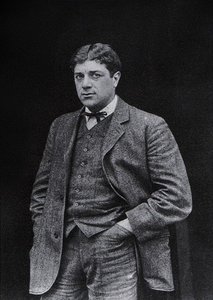
Žorž Braq
1882 - 1963 , Francija
Ključne informacije
- Artistic Movement Or Style: Kubizem
- Artists Who Influenced This Artist:
- Henri Matisse
- André Derain
- Paul Cézanne
- Date Of Birth: 13 maj 1882
- Date Of Death: 31 avgust 1963
- Full Name: Georges Braque
- Nationality: Francoz
- Notable Artworks:
- Živali na L'Estaque
- Četrtičje
- Violino in pipa
- Place Of Birth: Argenteuil, Francija
Sorodni članki

Georges Braque: 25 Mojstrovinskih Del za Navdih v Vašem Domu | ArtsDot
Odkrijte 25 mojstrovinskih del Georgesa Braqueja – pionirja kubizma! Preberite zgodbe za vsako sliko, tehnike in navdih. Reprodukcije slik visoke kakovosti za vaš dom na ArtsDot.com.

Absolutni Izrazi: 10 Mojstrin Del, Ki So Definirali Gibanje
Odkrijte 10 mojstrin del abstraktnega ekspresionizma! Pollock, Rothko & De Kooning - zgodbe za kulise ikoničnih umetnin. Inspirirajte se in poiščite reprodukcije na ArtsDot.com!

Georges Seurat: 25 Mojstrovin Pionirja Pointilizma za Vaš Dom | ArtsDot
Odkrijte 25 mojstrovin Georgesa Seurata, pionirja pointilizma! Preučite zgodbe za ikoničnimi slikami, kot sta 'Nedeljski dan na otoku La Grande Jatte' in 'Kopalci v Asnières'. Kvalitetne reprodukcije za vaš dom – ArtsDot.com.

Kandinsky's Masterpieces: 25 Paintings That Define Abstract Art | ArtsDot
Journey through Wassily Kandinsky's 25 most iconic abstract paintings. Explore his revolutionary use of color, form & spiritual expressionism. Find museum-quality Kandinsky reproductions and elevate your home decor with ArtsDot.com. Discover all masterpieces on ArtsDot.com!
Cubist Expressionism's 10 Defining Masterpieces | Art for Your Home
Explore 10 defining Cubist Expressionism masterpieces by Picasso, Braque & more. Discover the stories behind these bold, geometric paintings and bring museum-quality art to your home with ArtsDot.com. Explore the full collection online.


