

 Predogled v realnem okolju
 Pošlji
 Deli
Deli
 Podrobnosti o delu
 Priročnik

 Prenesi sliko
 Podobni izdelki
 Rentgenski posnetek
 Predvajaj diaporama
 Vprašanja in odgovori
 Statistika
Creamer


 Preberi več
Giclée tisk / Umetniški tisk
Giclée ali platnati odtis muzejske kakovosti z hitro proizvodnjo in prilagodljivimi možnostmi končne obdelave. ( Kupite ročno slikano delo Preklop na digitalno sliko)




P118B €10

P118H €10

P118W €10

P438Z €10

P508JH €12

P508YH €12

P805H €10

P805Z €10

P919BZ €10

P919G €10

P919XJ €10

P959ZH €10

P968JZ €12

W106C €8

W218G €10

W218JH €8

W218Y €10

W307PJ €10

W316G €10

W316PJ €8

W316Y €10

W398PJ €8

W4111J €10

W500HY €15

W500JH €15

W692G €12

W849H €8

W940BG €15

W953PJ €8




Izberite eno od naših vnaprej določenih velikosti, ki ustrezajo prvotnim proporcijam umetničkega dela.

Vnesite širino in višino, ki jih potrebujete za svoj okvir ali steno. Tiskanje se lahko le odreže, vendar ga ni mogoče narediti večjega od slike, zato format z drugačno obliko pomeni izgubo dela slike. Pred tiskanjem vam pošljemo digitalni predogled za potrditev. Slika, prikazana na tej strani, ne prikazuje dejanskega izrezka — le predogled to omogoča.
Globalna dostava () v 2 tednih namesto standardnih 4/5 tednov. (15 november)

Brezplačna ekspresna dostava po vsem svetu

Visokokakovostno laneno platno

Popolno zavarovanje pošiljke

Garancija povračila carine in uvoznih davkov

Garancija popolnega barvnega ujemanja

100-dnevna politika vračil (le v primeru okvar)

Garancija 100% povračila denarja

Popust pri večjem naročilu
 Možnost stekla je na voljo le za velikosti pod 110 cm

Creamer
Giclée tisk / Umetniški tisk
Velikost reprodukcije
-


Skupna cena
€ 56
A Dance of Fire and Clay: Unveiling George Edgar Ohr’s “Creamer”
George Edgar Ohr, affectionately dubbed the "Mad Potter of Biloxi," wasn't merely a ceramicist; he was a revolutionary, a provocateur who shattered conventional notions of form and function within the world of art. His work, particularly pieces like “Creamer,” embodies this spirit – a vibrant explosion of texture, color, and unapologetic experimentation that foreshadowed much of 20th-century abstract expressionism. “Creamer,” created around 1908, isn’t simply a pitcher; it's a captured moment of molten energy, a testament to Ohr’s relentless pursuit of artistic freedom and his profound understanding of the inherent beauty within imperfection. The piece immediately commands attention with its audacious palette – a swirling vortex of deep reds, fiery oranges, sun-baked yellows, and earthy browns that seem to pulse with an internal heat. These aren't carefully blended hues; rather, they’re layered glazes applied with a deliberate roughness, mimicking the chaotic yet controlled process of metalworking or even volcanic activity. The surface is far from smooth; it’s deliberately textured with ridges, drips, and pools of glaze, creating a tactile experience that invites close inspection – a direct challenge to the polished perfection often associated with traditional ceramics.The Biloxi Crucible: Contextualizing Ohr's Innovation
Ohr’s artistic journey was inextricably linked to his birthplace, Biloxi, Mississippi—a port city steeped in maritime history and brimming with diverse cultural influences. This unique environment profoundly shaped his aesthetic sensibilities. He initially worked as a utilitarian potter, producing functional wares for the local community. However, he quickly grew dissatisfied with this limited role, yearning to explore the expressive potential of clay. The fires that frequently ravaged Biloxi – devastating both physically and emotionally – became a crucial catalyst for his artistic evolution. These destructive events, particularly the 1894 fire that consumed his studio and much of his work, served as a powerful impetus for experimentation. He began to embrace the accidental, the broken, and the imperfect, transforming these losses into opportunities for innovation. This period saw him moving away from rigid forms and embracing techniques like “throwing” – creating shapes by hand without using a potter’s wheel—and layering glazes in ways that defied conventional ceramic practices.A Symphony of Texture: Technique and Materiality
The creation of "Creamer" exemplifies Ohr's distinctive technique, a masterful blend of intuition and controlled chaos. He didn’t adhere to established methods; instead, he developed his own unique approach, often working directly on the clay surface with tools like knives, spatulas, and even his hands. The layering of glazes is particularly noteworthy – multiple applications were built up over time, creating a complex interplay of color and texture. The deliberate roughness isn’t simply accidental; it's a conscious choice to emphasize the materiality of the clay itself, celebrating its inherent irregularities and imperfections. Ohr’s use of glaze was revolutionary for his time, moving beyond traditional transparent glazes to create opaque, richly pigmented surfaces that seemed to glow from within. The piece is a testament to his mastery of material – he coaxed extraordinary effects from humble clay and simple glazes, transforming them into something truly remarkable.Symbolism in the Shimmer: Interpretation and Emotional Resonance
While Ohr himself resisted definitive interpretations of his work, “Creamer” undeniably resonates with themes of transformation, resilience, and the beauty of imperfection. The fiery colors evoke images of molten metal – a primal force both destructive and creative. This imagery can be interpreted as a reflection of Biloxi’s history, its vulnerability to storms and fires, yet also its enduring spirit. The piece's irregular forms suggest a rejection of rigid order and an embrace of spontaneity and chance. The “Creamer” itself—a vessel designed for holding cream—adds another layer of complexity. It’s a seemingly mundane object elevated to the realm of art through Ohr’s transformative vision, suggesting that even the most ordinary things can be imbued with extraordinary beauty and meaning. The overall effect is one of intense energy and emotional depth – a captivating invitation to contemplate the power of creativity and the acceptance of imperfection.Vprašanja in odgovori
Katere teme se pojavljajo v delu "Creamer" avtorja George Edgar Ohr?
"Creamer" avtorja George Edgar Ohr prikazuje: ceramic pitcher, glaze texture, molten metal effect, abstract form, rich colors, handcrafted art, ohr pottery.
Kako lahko odkrijem umetniška dela, podobna delu "Creamer" avtorja George Edgar Ohr?
Podobna dela delu "Creamer" si lahko ogledate na strani Podobna dela.
Kako se v delu "Creamer" prepletata material in gibanje?
V delu "Creamer" se tehnika Acrylic On Canvas srečuje z gibanjem Contemporary Realism.
Sorodna umetniška dela


Biografija umetnika
Edina vizija Georgea Edgara Ohrja: Čudni lončar iz Biloxija
George Edgar Ohr, ime, ki v svetu ameriške keramike pomeni inovativnost in ekscentričnost, se je rodil 12. julija 1857 v obalnem mestu Biloxi v Missisipiju. Njegovi starši, nemški imigranti, ki so iskali nove priložnosti, so v njem vzgojili močno delovno etiko in morda rahlo umetniško občutljivost starega sveta. Vendar je prav edinstično okolje Biloxija – tožilo kultur in vir lažno dostopne gline – dejansko negovalo njegov vzrastajoči talent. Ohr ni bil le lončar; bil je raziskovalec oblike, teksture in glazure, ki je neusmiljeno premщал meje tega, kaj keramika lahko predstavlja. Pridržal se je pripetja »Čudni lončar iz Biloxija«, ne kot oznaka za zavrnitev, temve v ponosno izjavo o svojem nekonvencionalnem pristopu in neomajni predanosti umetniški svobodi.
Zgodnji vplivi in umetniško prebujanje
Ohrjeva pot v keramiko se je začela somewhat slučajno. Po nemirnem mladostnem obdobju, ko je v New Orleansu preizkušal različna poklice, je postal šegrt pri Josephu Fortunu Meyerju, lončarju z navezkami na takrat vzrastajočo gibanje Arts & Crafts. To učeništvo je Ohrju zagotovilo trdne temelje v tradicionalnih tehnikah, vendar so njegovi kasnejši potovanja – obisk šestnajst držav z ameriškimi lončariji – uhajala njegov ustvarjalni žar. Vpojil je raznolike metode in sloge, vendar se ni zadovoljil z zgolj kopiranjem; želel je preseči konvencijo. V Biloxi se je vrnil odločen, da bo utrt svojo pot, in ustanovil svojo »Biloxi Art and Novelty Pottery«, kjer je lahko popolnoma uresničil svojo umetniško vizijo. Glina iz nearby reke Tchoutacabouffa je postala njegov medij, njegove roke pa njegovi instrumenti transformacije.
Revolucija v glini: Tehnika in inovacija
Ohrjeva dela izstopajo zaradi radikalnega odklona od takratnih keramičnih norm. Medtem ko so se mnogi lončarji osredotočali na funkcionalnost in simetrične oblike, je Ohr sprejel asimetrijo, deformacijo in zavestno zavrnitev popolnosti. Pionirsko je uvedel tehnike, kot so vrtenje, gnječenje, upinjačenje in raztegovanje gline, ko je še bila mokra, s čimer je ustvarjal posode, ki so se zdale uležati gravitaciji in izzivati pričakovanja. Njegove glazure so bile prav tako eksperimentalne – živahne, nepredvidljive in pogosto podobne stopljenemu metalu ali iridiscenčnim draguljem. Zanimanja ga ni imelo preprosto okraševanje keramike; on je slikaričil z barvo in svetlobo. Stene svojih posod je tančal do skoraj nemogočega stopnja, dosežgajoč nežnost, ki se v keramiki redko sreča. Ta drzen pristop, v kombinaciji z njegovimi edinstvenimi glazure, je prinesel dela, ki so bila vizualno osupljiva in strukturno drzna. Njegovo del je napovedalo gibanje abstraktnega ekspresionizma desetletja preden se je popolnoma uveljavilo, s čimer je pokazal pripravljenost na prioriteto oblike in čustev nad reprezentativno natančnostjo.
Leti izolacije in ponovno odkritje
Kljub svojemu inovativnemu duhu se je Ohr čez celo življenje boril za priznanje. Javnost ni bila vedno pripravljena na njegove radikalne zasnove in pogosto se je znašal v nasprotju s prevladujočimi okusi. Frustriran zaradi pomanjkanja cenjenja in ne pripravljen na kompromis z umetnično integriteto, je okrog leta zględ 1910 prenehal z proizvodnjo in v svojem studiu skrbno zapakiral tisoče kosov. Zahteval je, da njegova družina kolekcije ne dotika petdeset let po njegovi smrti, saj je verjel, da bodo prihodnje generacije bolj sprejemljive za njegovo delo. Na žalost je Ohr umrl 7. aprila 1918 med epidemijo gripe, v širšem svetu pa skoraj neznan izven Biloxija. Šele konec 1960ih in začetek 1970ih sta prinesla končno prepoznavnost njegovega genija. James Carpenter, trgovec z antico, je odkril to skrito zakladnico keramike in začel zagovarjati Ohrjeva dela ter jih predstaviti širšemu občinstvu. To ponovno odkritje je spodbudilo svež interes za ameriško keramiko in utrdilo Ohrjevo mesto vizionarskega umetnika.
Dediščina in trajni vpliv
Danes je George Edgar Ohr slavljen kot ena najpomembnejših osebnosti v zgodovini ameriške keramike. Njegov pionirski duh še vedno navdihuje umetnike po vsem svetu. Njegova dela lahko najdemo v pomembnih muzejih, vključno z Smithsonian Institution in Metropolitan Museum of Art, poseben muzej – Ohr–O'Keefe Museum of Art v Biloxiju – pa stoji kot spomennik njegovi trajni dediščini.
- Ohrjev vpliv sega dlje od keramike.
- Njegova pripravljenost na izzivanje konvencij resonira z umetniki skozi različne discipline.
- Dokazal je, da prava umetniška izraznost zahteva pogum, neodvisnost in neomajno predanost lastni viziji.

George Edgar Ohr
1857 - 1918 , Združene države Amerike
Hitri podatki
- Artistic Movement Or Style: Abstraktni ekspresionizem
- Artists Or Movements Influenced By This Artist: ['Ameriška keramika']
- Artists Who Influenced This Artist: ['Joseph Meyer']
- Date Of Birth: 12. julija 1857
- Date Of Death: 7. aprila 1918
- Full Name: George Edgar Ohr
- Nationality: Ameriški
- Notable Artworks:
- Mug
- Čajnik
- Skleda
- Skodelica za smetano
- Place Of Birth: Biloxi, ZDA
Sorodni članki

Hubert Robert: Picturing Ruins, Preserving Memory – A Study of Romantic Antiquarianism & Artistic Innovation
Explore the captivating world of Hubert Robert, master of Romantic landscape painting & 'capriccio' ruins. Discover his historical context, artistic innovations, and collecting insights with ArtsDot.

Mastering the Classics: The Top 25 Iconic Works by Marc Duvallier
Experience the magic of Marc Duvallier’s top 25 artworks. Explore his masterful reinterpretation of classical movements through a modern lens. Find museum-quality art reproductions and curated decor inspiration for your home. Discover all masterpieces on ArtsDot.com.

Emotional Transmutation in Visual Art: A Study of Affective Representation Through Color, Form, and Texture
Explore the fascinating intersection of art & emotion! Discover how color, form, and texture convey feelings in masterpieces. Expert analysis for collectors & enthusiasts.
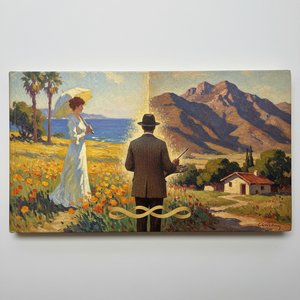
Joseph Kleitsch: Bridging Impressionism & California Regionalism – A Study of Light and Identity
Explore the life & work of Joseph Kleitsch, a pivotal California Impressionist painter. Discover his vibrant landscapes, portraits, and legacy within the Laguna Beach art colony. A comprehensive study for collectors & enthusiasts.

The Alchemy of Clay: A Collector's Guide to the Mastery, Texture, and Timeless Form of Ceramic Art
Discover the profound beauty of ceramic art. Our expert guide explores the alchemy of clay, texture, and glaze, offering collectors deep insights into mastering earth and fire to create timeless, sculptural masterpieces for any curated collection.
