

 Predogled v realnem okolju
 Pošlji
 Deli
Deli
 Podrobnosti o delu
 Priročnik

 Prenesi sliko
 Podobni izdelki
 Rentgenski posnetek
 Predvajaj diaporama
 Q&A
Q&A Statistika
Mill at Charenton

- 113.0 x 146.0 cm


 Preberi več
Giclée tisk / Umetniški tisk
Giclée ali platnati odtis muzejske kakovosti z hitro proizvodnjo in prilagodljivimi možnostmi končne obdelave. ( Kupite ročno slikano delo Preklop na digitalno sliko)




P118B €10

P118H €10

P118W €10

P438Z €10

P508JH €12

P508YH €12

P805H €10

P805Z €10

P919BZ €10

P919G €10

P919XJ €10

P959ZH €10

P968JZ €12

W106C €8

W218G €10

W218JH €8

W218Y €10

W307PJ €10

W316G €10

W316PJ €8

W316Y €10

W398PJ €8

W4111J €10

W500HY €15

W500JH €15

W692G €12

W849H €8

W940BG €15

W953PJ €8




Izberite eno od naših vnaprej določenih velikosti, ki ustrezajo prvotnim proporcijam umetničkega dela.

Vnesite širino in višino, ki jih potrebujete za svoj okvir ali steno. Tiskanje se lahko le odreže, vendar ga ni mogoče narediti večjega od slike, zato format z drugačno obliko pomeni izgubo dela slike. Pred tiskanjem vam pošljemo digitalni predogled za potrditev. Slika, prikazana na tej strani, ne prikazuje dejanskega izrezka — le predogled to omogoča.
Globalna dostava () v 2 tednih namesto standardnih 4/5 tednov. (2 november)

Brezplačna ekspresna dostava po vsem svetu

Visokokakovostno laneno platno

Popolno zavarovanje pošiljke

Garancija povračila carine in uvoznih davkov

Garancija popolnega barvnega ujemanja

100-dnevna politika vračil (le v primeru okvar)

Garancija 100% povračila denarja

Popust pri večjem naročilu
 Možnost stekla je na voljo le za velikosti pod 110 cm

Mill at Charenton
Giclée tisk / Umetniški tisk
Velikost reprodukcije
-


Skupna cena
€ 55
A Glimpse of Pastoral Grandeur: François Boucher’s “Mill at Charenton”
François Boucher's "Mill at Charenton," painted in 1758, isn’t merely a landscape; it’s an invitation to step into a meticulously crafted world of Rococo delight. This idyllic scene, depicting a water mill nestled along the banks of the Charente River near Charenton-le-Château, captures the essence of 18th-century aristocratic leisure and Boucher's masterful ability to infuse even the most commonplace subject with an air of fantastical beauty. The painting immediately draws the eye with its vibrant palette—lush greens, cerulean blues reflecting in the water, and the warm ochres and yellows of the mill’s architecture—creating a sense of warmth and abundance that speaks to the prosperity and pleasure enjoyed by France's elite.
Boucher, a pivotal figure within the Rococo movement, was renowned for his ability to seamlessly blend classical motifs with playful sensuality. His work frequently served as decoration for aristocratic salons, designed to evoke feelings of tranquility, beauty, and refined taste. “Mill at Charenton” exemplifies this perfectly; it’s not a realistic portrayal of rural life but rather an idealized vision—a carefully constructed fantasy where nature is both generous and subtly suggestive. The artist deliberately departs from the strict conventions of academic painting, embracing a looser brushstroke and a heightened sense of color to create a dreamlike atmosphere.
The Art of Illusion: Technique and Composition
Boucher’s technique is characterized by its delicate layering of colors and meticulous attention to detail. He employs *sfumato*, a subtle blurring of lines and edges, to soften the forms and create an atmospheric haze that enhances the painting's sense of depth. The composition itself is carefully balanced, drawing the eye from the foreground—where a small group of impeccably dressed peasants appear to be engaged in their work—through the mill’s intricate structure and out towards the distant riverbank. Note the strategic placement of white doves soaring above the scene; they aren't simply decorative but contribute to the painting’s feeling of lightness, purity, and abundance.
The artist masterfully utilizes light to create a sense of drama and highlight key elements. Sunlight streams through the trees, illuminating the mill and casting dappled shadows across the water. This interplay of light and shadow not only adds visual interest but also reinforces the painting’s overall mood—a harmonious blend of serenity and vitality. The use of perspective is subtly manipulated to create a sense of spaciousness, drawing the viewer into this idyllic world.
Symbolism and Context: A World of Leisure
“Mill at Charenton” offers a glimpse into the lifestyle of France’s aristocracy in the mid-18th century. Excursions to picturesque locations like Charenton were popular among wealthy men and women seeking respite from the formality and pressures of Parisian court life. The painting reflects this desire for escape, presenting a world where nature provides endless opportunities for pleasure and entertainment. The peasants depicted are not portrayed as laborers but rather as charming figures engaged in seemingly effortless activities—a deliberate choice that reinforces the aristocratic viewer’s sense of detachment from the realities of everyday life.
The inclusion of expensive glass windows and decorative swags, elements conspicuously absent in actual mills, is a testament to Boucher's artistic license. He deliberately embellishes the scene with fantastical details—the doves, the meticulously manicured bushes, the perfectly dressed peasants—to create an idealized vision that aligns with the aesthetic sensibilities of the Rococo era. The painting speaks to a broader cultural fascination with beauty, luxury, and the pursuit of pleasure.
A Timeless Masterpiece: Emotional Resonance
Beyond its technical brilliance and historical context, “Mill at Charenton” possesses a profound emotional resonance. The painting evokes a sense of tranquility, serenity, and boundless optimism—a feeling that lingers long after viewing. It’s a celebration of nature's beauty, the pleasures of leisure, and the idealized world envisioned by Boucher and his aristocratic patrons. Reproductions of this captivating work offer a chance to bring this timeless masterpiece into your own home, transforming any space into a sanctuary of refined elegance and artistic inspiration.
Vprašanja in odgovori
Kje in za kakšen namen se priporoča "Mill at Charenton"?
"Mill at Charenton" avtorja François Boucher priporočamo za Statement, idealno v Living Room. Skupni prikaz namerne uporabe in prostora pomaga ugotoviti, kje se reprodukcija najbolje prilega.
Ali je "Mill at Charenton" ostalo v domovini svojega avtorja?
Ne – umetniško delo se nahaja v tujini. François Boucher se je rodil/a v Francija, njegovo/njeno originalno delo "Mill at Charenton" pa se nahaja v muzeju v državi Združene države Amerike.
Katera velikost reprodukcije se priporoča za "Mill at Charenton" avtorja François Boucher?
Za "Mill at Charenton" avtorja François Boucher priporočamo reprodukcijo v velikosti Large. Velikost je mogoče prilagoditi, ob čemer se ohranijo razmerja.
Sorodna umetniška dela


Biografija umetnika
François Boucher: Življenje v obdobju Rokoka
François Boucher (1703–1770) je bil ključna osebnost francoskega umetniškega gibanja 18. stoletja, priznan kot eden najbolj slavnih slikarjev rokokoa. Njegovo delo uteleša eleganco, čutnost in igriv duh, ki sta definirala ta vpliven slog. Boucher ni bil le mojster tehnične dovršenosti, temveč tudi kronist družbenih vrednot in estetskih idealov svoje dobe.
Zgodnje življenje in izobraževanje
Rojen 29. septembra 1703 v Parizu, je François Boucher začel svojo umetniško pot pod mentorstvom očeta, Jeana Boucherja, ki je bil tudi slikar. Že pri sedemnajstih letih je pritegnil pozornost Françoisa Lemoyna, kar ga je vodilo do kratkega, a pomembnega vajništva. Nadaljeval je izpopolnjevanje svojih spretnosti pri graverju Jean-François Carsu, preden je dosegel pomemben mejnik: zmago na prestižnem Grand Prix de Rome leta 1720. Ta nagrada mu je odprla vrata v svet klasične umetnosti in ga usmerila k razvoju njegovega edinstvenega sloga.
Vzpon do slave in umetniški razvoj
Boucherjev čas v Italiji, po zmagi na Grand Prixu, je bil oblikovalen. Po vrnitvi v Francijo je bil leta 1731 sprejet v Académie Royale de Peinture et de Sculpture. Njegovo *morceau de réception*, “Rinaldo in Armida” (1734), ga je takoj uveljavilo kot mojstra rokokoa. V tem obdobju se je njegov umetniški glas v celoti razvil, za katerega so bili značilni nežne poteze čopiča, pastelne barvne palete in poudarek na mitoloških in pastoralnih temah. Njegova dela so odražala željo po lepoti, užitku in sprostitvi, kar je bilo v skladu z duhom aristokratske družbe.
Ključna dela in teme
Boucherjevo delo je izjemno raznoliko, zajema mitologijo, portretiranje, prizore vsakdanjega življenja in dekorativno umetnost. Med njegovimi najbolj znanimi deli so:
- “Zajtrk” (1739): Čudovit prikaz domačega življenja s slikarjevo ženo in otroki.
- “Triumf Venere” (1740–1751): Serija slik, ki prikazujejo Boucherjevo mojstrstvo mitoloških pripovedi.
- Številni portreti Madame de Pompadour, vplivne ljubice kralja Ludvika XV., kar je utrdilo njegov položaj na dvoru.
- Pokrajinske slike, kot je “Sončni zahod”, ki prikazujejo lirično in idilično vizijo narave.
Ponavljajoče se teme v Boucherjevem delu so ljubezen, lepota, prosti čas in idealiziran svet mitologije. Njegove slike pogosto vzbujajo občutek igrive erotike in prefinjene elegance. Slikal je prizore iz grške in rimske mitologije, ki so bili priljubljeni med aristokracijo, pa tudi portrete pomembnih osebnosti časa.
Vpliv in zapuščina
Boucherjev vpliv se je razširil daleč onkraj slikarstva. Oblikoval je kostume in kulise za teater, ustvarjal tapiserije za delavnice Beauvais in sodeloval z Gobelins Manufactory. Njegova imenovitev za *Premier Peintre du Roi* leta 1765 je utrdila njegov status vodilnega umetnika francoskega rokoka. Njegov slog je postal sinonim za luksuz, prefinjenost in užitek.
Čeprav so ga kasnejši kritiki vprašali o domnevni površinskosti rokokoa, je Boucherjev vpliv na naslednje generacije nesporno dejstvo. Vplival je na umetnike, kot je Jean-Honoré Fragonard in pomembno prispeval k razvoju neoklasicizma prek svojih učencev. Njegova dela še danes navdušujejo ljubitelje umetnosti po vsem svetu.
Zgodovinski pomen
François Boucherjevo delo ponuja dragoceno okno v okuse in vrednote francoske družbe 18. stoletja. Njegove slike odražajo aristokratsko kulturo dobe, za katero so bili značilni luksuz, prefinjenost in iskanje užitka. Ostaja pomembna osebnost v zgodovini umetnosti, slavljen zaradi svoje tehnične spretnosti, umetniške inovacije in trajnega prispevka k rokokonemu slogu.

François Boucher
1703 - 1770 , Francija
Hitri podatki
- Datum Rojstva: 29. september 1703
- Datum Smrti: 1770
- Državljanstvo: Francoz
- Kraj Rojstva: Pariz, Francija
- Polno Ime: François Boucher
- Pomembna Dela:
- Rinaldo in Armida
- Zajtrk
- Madama Boucher
- Sončni zahod
- Vulkan
- Umetniki Pod Vplivom: ['Jean-Honoré Fragonard']
- Umetniški Slog: Rokoko
- Vplivi Umetnikov:
- François Lemoyne
- Jean-François Cars
Sorodni članki

The Rococo Aesthetic: Opulence, Rebellion & the Pursuit of Pleasure in 18th-Century Art
Explore the opulent world of Rococo art! Discover its origins, key artists like Watteau & Boucher, and lasting influence on design. Expert insights for collectors & enthusiasts.

The Rococo Style: Aristocratic Leisure & the Pursuit of Delight in 18th-Century Art
Explore the opulent world of Rococo art! Discover Watteau, Boucher & Nattier's masterpieces. Expert insights for collectors seeking museum-quality reproductions and custom portraits at ArtsDot.

Rokojska mojstrovin: 10 umetnin, ki so definirale eleganco
Odkrijte 10 mojstrovin, ki so definirale rokokoj! François Boucher, Fragonard & Watteau – potopite se v svet elegance, pastelnih barv in prefinjenega sloga. Najboljše umetnine rokokoja na ArtsDot.com - za navdih in reprodukcije vrhunske kakovosti.
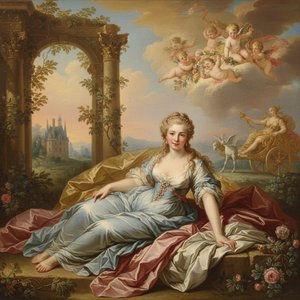
François Boucher: Rococo Master of Myth, Sensuality, and the French Court
Explore the captivating world of François Boucher, master of Rococo painting! Discover his iconic works, aristocratic patronage, and lasting influence on French art history. Learn more at ArtsDot.

The Allure of Elegance in Art: A Historical & Aesthetic Exploration of Refinement & Grace
Explore the exquisite world of Rococo art! Discover its history, masters (Watteau, Boucher & more), and defining elegance. Expert insights for collectors seeking museum-quality reproductions & custom portraits.