


 Kupi tiskanino Kupi digitalno sliko
 Pošlji
 Deli
Deli
 Details
 Dodaj v priljubljene

 Prenesi
 Podobni izdelki
 X-Ray
X-Ray
 Predvajaj diaporama
M. Loulou
 Oil On Canvas
- WallArt
- Post-Impressionism
 1890
1890- 19th Century
 55.0 x 46.0 cm
Ročno izdelana oljna reprodukcija
Ročno slikano olje na platnu v vaši izbiri velikosti in okvirja, izdelano po naročilu naših umetnikov.




P118B $10

P118H $10

P118W $10

P438Z $10

P508JH $12

P508YH $12

P805H $10

P805Z $10

P919BZ $10

P919G $10

P919XJ $10

P959ZH $10

P968JZ $12

W106C $8

W218G $10

W218JH $8

W218Y $10

W307PJ $10

W316G $10

W316PJ $8

W316Y $10

W398PJ $8

W4111J $10

W500HY $15

W500JH $15

W692G $12

W849H $8

W940BG $15

W953PJ $8




 Preberi več
Izberite eno od naših vnaprej določenih velikosti, ki ustrezajo prvotnim proporcijam umetničkega dela.

Svoje dimenzije lahko vnesete tako, da se prilagodite določenemu okvirju ali prostoru. Če izbrana velikost ne ustreza razmerjem originalne slike, bomo umetniško delo obrezali ali sliko dopolnili z dodatnimi ročno naslikanimi elementi. Pred začetkom proizvodnje vam bo poslan digitalni osnutek v odobritev.
Upoštevajte, da predogled na zaslonu ne odraža dejanskega obrezovanja ali podaljšanja. Le osnutek bo natančno prikazal končno kompozicijo.
Čeprav so na voljo velikosti po meri, priporočamo izbiro dimenzije s preddefiniranega seznama, da ohranimo originalne razmere.
Po oddaji naročila bo ekipa ArtsDot.com stranki po e-pošti poslala navodila in predogled digitalnega predogleda.
Svetska dostava () za 3/4 nedelje umesto uobičajenih 5 nedelja. (1 julij). Bez kompromisa po pitanju kvaliteta.

Brezplačna ekspresna dostava po vsem svetu

Visokokakovostno laneno platno

Popolno zavarovanje pošiljke

Garancija povračila carine in uvoznih davkov

Garancija popolnega ujemanja barv

60-dnevna politika vračanja (le v primeru napak)

Garancija 100% povračila denarja

Popust pri večjem naročilu
 Možnost stekla je na voljo le za velikosti pod 110 cm

M. Loulou
Tehnika reprodukcije
Velikost reprodukcije
-


Skupna končna cena
-
Opis umetninine
Captivating Subject and Introspective Mood
This striking portrait captures a young girl seated gracefully amidst a vibrant, decorative setting. Her gentle, contemplative expression invites viewers into a moment of quiet introspection, evoking a sense of innocence and inner thoughtfulness. The girl's delicate features, framed by dark hair and clasped hands, serve as a focal point that exudes calmness and emotional depth. Surrounded by stylized floral and fruit motifs, including a prominent pomegranate, the composition hints at themes of fertility, life, and the cycle of nature, adding layers of symbolic richness to the work.Distinctive Style and Artistic Technique
Created in 1890, this artwork exemplifies the bold, expressive qualities of Post-Impressionism combined with elements of Symbolism. The artist employs simplified, stylized forms and a vivid, contrasting color palette to evoke emotion and decorative appeal. Thick, black outlines define the figure and floral motifs, emphasizing their flatness and decorative nature. The brushwork is lively and energetic, with visible strokes that add texture and movement, creating a dynamic surface that captures the viewer’s eye. The flat perspective and diffuse lighting further enhance the work’s emphasis on symbolic and emotional expression over realistic spatial depth.Historical Context and Artistic Significance
Produced during a period of artistic experimentation, this piece reflects the transition from Impressionism to more expressive, symbolic approaches. The artist’s use of bold colors and simplified shapes aligns with the Post-Impressionist movement’s desire to convey deeper emotional and spiritual truths. The inclusion of symbolic elements like the pomegranate connects to broader themes of vitality, mortality, and renewal, resonating with the Symbolist movement’s focus on conveying complex ideas through visual allegory. This work stands as a testament to the artist’s innovative approach to portraiture and decorative art, influencing generations of modern artists.Emotional Impact and Decorative Appeal
With its vibrant color scheme and harmonious composition, this artwork radiates warmth, introspection, and a sense of quiet strength. It invites viewers to reflect on themes of innocence, inner life, and the natural world, making it a meaningful addition to any collection or interior space. Its decorative qualities, characterized by stylized floral motifs and bold outlines, make it an ideal piece for enhancing contemporary or traditional interiors. Whether displayed in a private collection, gallery, or sophisticated home, this reproduction offers a captivating visual experience that inspires admiration and emotional connection.Sorodna umetniška dela


Biografija umetnika
Eugène Henri Paul Gauguin: A Revolutionary Post-Impressionist Painter
Paul Gauguin, a name synonymous with bold color and uncompromising vision, stands as one of the most influential figures in the transition from Impressionism to modern art. Born in Paris on June 7, 1848, his life was anything but conventional—a journey marked by unexpected turns, profound artistic discoveries, and ultimately, a radical rejection of societal norms. His formative years were shaped by an upbringing unlike many others of his time; his father, a journalist, instilled in him a passion for storytelling and observation, while his mother descended from Peruvian aristocracy—her grandmother, Flora Tristan, a trailblazing feminist writer whose ideals undoubtedly resonated within the family’s values. This heritage would profoundly influence Gauguin's artistic worldview, fostering an enduring fascination with cultures beyond Europe and fueling his relentless pursuit of authenticity in art.Early Life & Influences
Gauguin’s father’s journalistic pursuits exposed him to a diverse range of perspectives—a crucial element in shaping his inquisitive mind. Simultaneously, his mother’s aristocratic lineage introduced him to a world steeped in tradition and refinement. However, it was his childhood experience living in Peru as a child, following his family's relocation in 1850, that truly imprinted upon his psyche. Immersed in the vibrant tapestry of Peruvian society—a stark contrast to Parisian life—he absorbed influences from indigenous traditions and artistic practices. This formative period instilled in him a deep appreciation for visual storytelling and a desire to depict subjects with uncompromising honesty. Returning to France after his father’s untimely death, Gauguin pursued formal education but found himself drawn not towards academic pursuits, but toward the burgeoning financial world—a path that would ultimately lead him to abandon a lucrative career for the transformative embrace of artistic vocation.The Impressionist Spark & Subsequent Dissatisfaction
Initially captivated by the Impressionists’ masterful manipulation of light and color—artists like Monet, Renoir, and Sisley—Gauguin experimented with similar techniques in his spare time. He recognized the Impressionists' ability to capture fleeting moments of beauty, yet he soon felt constrained by their adherence to a purely observational approach. The Impressionists’ focus on capturing the optical experience of nature seemed insufficient to him; he longed for something more profound—a means of conveying emotion and spiritual insight. Gauguin’s artistic sensibilities were further nurtured by his acquaintance with Camille Pissarro, who encouraged his exploration of new stylistic avenues and introduced him to the avant-garde circles of Paris. However, Gauguin swiftly distanced himself from Impressionistic principles, yearning for a style that prioritized subjective experience over mere visual representation—a desire that would propel him toward groundbreaking innovations in art history.The Pursuit of Primitive Expression
This dissatisfaction fueled Gauguin’s quest for artistic authenticity—a conviction rooted in his belief that Western civilization had lost touch with the elemental forces of nature and spirituality. Inspired by Japanese prints—Japonisme—which championed flattened perspectives, bold outlines, and decorative patterns—he began to incorporate these stylistic elements into his paintings. Simultaneously, he drew inspiration from medieval art, recognizing its symbolic imagery and rejection of strict realism as powerful tools for conveying spiritual truths. Gauguin’s artistic vision crystallized during his travels in Brittany, where he meticulously studied the landscapes and traditions of rural France. He sought to capture not just what he *saw*, but what he *felt*—a commitment that would lead him to develop a distinctive “synthetic” style characterized by simplified forms and vibrant colors. This approach represented a decisive break from Impressionism’s optical realism, signaling Gauguin's embrace of Symbolist ideals.Tahiti & Legacy
The pivotal moment in Gauguin’s artistic evolution arrived with his decision to relocate permanently to Tahiti—a volcanic island in French Polynesia—in 1891. Seeking refuge from the pressures of Parisian society and driven by a fervent desire to reconnect with primal spirituality, he immersed himself in Polynesian culture—observing rituals, documenting landscapes, and portraying indigenous subjects with uncompromising honesty. This experience profoundly impacted his artistic style, resulting in paintings that embody the bold colors, flattened perspectives, and symbolic imagery emblematic of Symbolism. Iconic works like “Vahine no te miti” (Woman with Mango), “Manao Tupapau” (Watched by the Spirit of the Dead), and “The Vision After The Sermon” exemplify Gauguin’s masterful synthesis of observation and emotion—a testament to his artistic genius. Despite facing considerable hardship during his Tahitian exile—including financial difficulties and deteriorating health—Gauguin continued to paint prolifically, relentlessly exploring themes of life, death, and spirituality. He died in 1903 on Hiva Oa, leaving behind a legacy that continues to inspire artists worldwide. Gauguin’s unwavering commitment to artistic freedom—his rejection of societal conventions and his pursuit of personal vision—solidified his place as one of the most transformative figures in modern art history.
Eugène Henri Paul Gauguin
1848 - 1903 , Francija
Hitri podatki
- Artistic Movement Or Style: Post-Impressionizem, Simbolizem
- Artists Who Influenced This Artist:
- Camille Pissarro
- Vincent van Gogh
- Date Of Birth: 7. junij 1848
- Date Of Death: 8. maj 1903
- Full Name: Eugène Henri Paul Gauguin
- Nationality: Francoz
- Notable Artworks:
- Clearing
- Vahine no te miti
- Manao Tupapau
- Little Breton Shepherd
- Place Of Birth: Pariz, Francija
Sorodni članki

Masterful Portraits: 10 Artworks That Define a Genre | ArtsDot
Explore 10 iconic portrait paintings – from Mona Lisa to Van Gogh’s self-portraits. Discover the stories behind these masterpieces, artistic techniques & find museum-quality art reproductions for your home at ArtsDot.com.


Capturing Fleeting Moments: Light, Color & Emotion in Impressionistic Art
Explore the captivating world of Impressionism! Discover the techniques, artists (Monet, Renoir, Degas), and enduring legacy of this revolutionary art movement. Expert insights for collectors & enthusiasts.

Beyond Impressionism: Exploring the Emotional Depth of Post-Impressionist Painting
Explore the profound emotional depth & innovative techniques of Post-Impressionism with ArtsDot. Discover Cézanne, Van Gogh, Gauguin & more – and their lasting impact on modern art.

Chromatic Resonance: Exploring the Emotional Impact of Vibrant Color Palettes in Painting
Explore the fascinating relationship between color & emotion in art history. Discover how master artists like Matisse & Gauguin used vibrant hues to evoke feelings and cultural meanings. A deep dive for classic art enthusiasts.
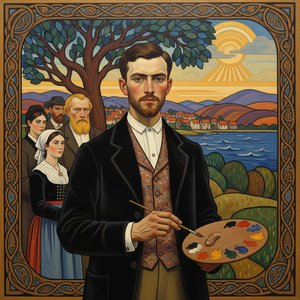
Émile Bernard: Pioneering Synthetism & the Post-Impressionist Quest for Essence
Explore the life & work of Émile Bernard, a pivotal Post-Impressionist pioneer of Synthetism. Discover his influence on Van Gogh & Gauguin and learn about collecting his art with ArtsDot.



