

 Predogled
 Pošlji
 Deli
Deli
 Podrobnosti o delu

 Prenesi
 Podobni izdelki
 Rentgenski posnetek
 Predvajaj diaporama
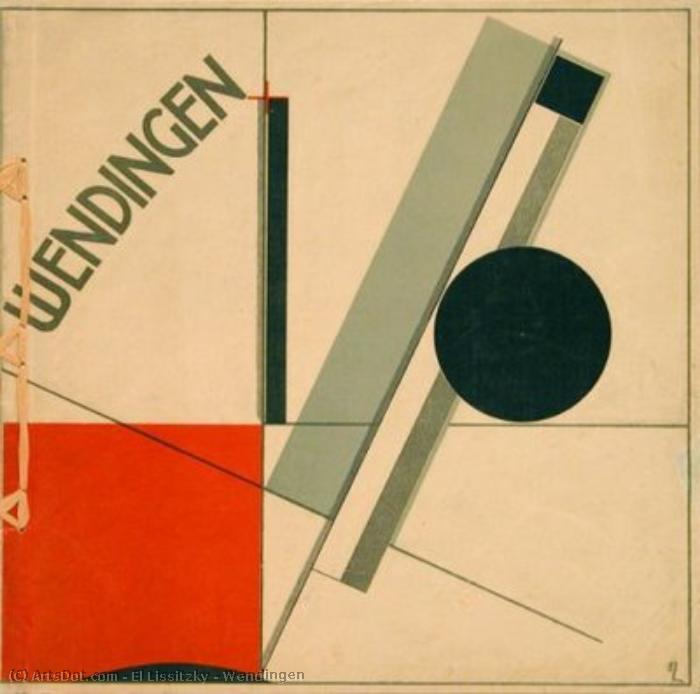
Wendingen


 Razviljaj več
Kupite digitalno sliko visoke ločljivosti z izboljšano kakovostjo, ki je precej boljša od spletnega predogleda.
Vsaka datoteka je pod natančnim nadzorom naših strokovnjakov, ki uporabljajo napredna orodja in strokovno ročno obdelavo. Zagotovimo, da ima vsaka slika izjemno jasnost, natančnost barv in fine podrobnosti.
Končna datoteka je po e-pošti dostavljena v 72 urah, optimizirana za takojšnjo uporabo v profesionalnem, uredniškem in tiskarskem okolju. To je kakovost, ki ji zaupajo vrhunska oblikovalna studia, založniki in galerije.
Digitalna slika
Prenesite datoteko visoke ločljivosti za osebno uporabo, tiskanje in kreativne projekte. ( Kupi tisk Kupi ročno naslikano sliko)
Vključeno v vsako naročilo digitalne slike
Zagotovljena strokovna digitalna dostava
Ko izberete ArtsDot.com, ne prejmete le slike – prejmete digitalno umetniško delo, ki je profesionalno urejeno, izdelano z natančnostostjo in zavestno zagotovljeno z garancijo za zadovoljstvo. Tukaj je vse, kar samodejno prejmete z vašim naročilom:

Hitra dostava prek e-pošte
Vaša digitalna slika visoke ločljivosti bo na vaš e-naslov poslana v roku 72 ur od zaklopa naročila – pripravljena za takojšnjo uporabo.

Digitalna datoteka z umetno inteligenco
Vaše umetniško delo je strokovno optimizirano z uporabo naprednih orodij umetne inteligence in ročne obdelave, kar zagotavlja največjo stopnjo podrobnosti, jasnosti in barvne natančnosti.

Brezplačna ponovna dostava za vse življenje
Ste zaradi nespremietne napake izgubili ali izbrisali svojo datoteko? Ni težav – vam jo bomo ponovno poslali kadar koli in brezplačno.

Brez uvoznih pristojbin – vedno
Uživajte v svojem umetniškem delu takoj, brez carin, davkov ali stroškov dostave – digitalni prenosi so vedno brezdavčni.

Zagotovilo natančnosti barv
Z uporabo profesionalnih orodij in upravljanja barv zagotavljamo, da vaša digitalna slika čim bolj natančno odraža prvotne barve.

60-dnevna garancija zadovoljstva
Če niste zadovoljni s svojo digitalno sliko, jo bomo uredili ali vam v 60 dneh povrnili 100% denarja – brez kakršnih koli vprašanj.

100% Garancija povračila denarja
Niste zadovoljni? Zagovрите popoln povračilo sredstev v 60 dneh po prejemu digitalne datoteke – brez kakršnih koli vprašanj.

Popusti pri večjem številu naročil
Kupite 3 slike, prihranite 10% - Kupite 5 slik, prihranite 15% - Kupite 10+ slik, prihranite 20%. Odlično za kreativne projekte, galerije in agencije.
Opis digitalnega artefakta
El Lissitzky's "Wendingen": A Geometric Symphony of Form and Space
- Overview: El Lissitzky’s “Wendingen,” created in 1921, is a striking example of early abstract art, deeply rooted in the Constructivist and Suprematist movements. This artwork isn't merely a painting but a cover design for the Dutch magazine "Wendingen," dedicated to modern architecture and design. It embodies Lissitzky’s vision of “Proun,” a concept aiming to synthesize architecture, engineering, and art into a dynamic visual language.
Subject Matter & Style: A Dialogue Between Geometry and Dynamism
- Abstract Composition: The artwork eschews representational imagery, instead presenting a purely abstract composition of geometric forms. Sharp angles, intersecting lines, and flat planes dominate the canvas, creating a sense of structured dynamism. Rectangles, circles, and diagonal lines interact to generate spatial tension and visual pathways.
- Constructivist & Suprematist Influences: "Wendingen" clearly reflects the principles of Constructivism, emphasizing functional design and geometric abstraction. It also draws from Suprematism, Malevich’s movement focused on pure artistic feeling through basic geometric forms. Lissitzky's unique approach integrates these influences, creating a style that is both rigorously structured and emotionally resonant.
- The "Wendingen" Magazine Context: The piece was designed as a cover for a magazine dedicated to modern architecture. This context highlights the artwork’s purpose: not just aesthetic beauty but also communication and visual impact within a design-focused publication. The stylized lettering of “WENDINGEN” integrated into the composition further emphasizes this functional aspect.
Technique & Materials: Precision and Clarity
- Lithography on Paper: Lissitzky employed lithography, a printing technique that allows for precise lines and tonal variations. This method was ideal for reproducing the artwork’s sharp geometric forms and limited color palette.
- Color Palette & Texture: The color scheme is deliberately restrained, featuring strong contrasts between red, gray, black, and beige against a neutral background. This simplicity enhances the clarity of the geometric shapes and prevents visual clutter. The texture appears smooth and flat, characteristic of a printed surface.
Historical Context & Symbolism: A Vision for a New Era
- Post-War Reconstruction: Created in 1921, "Wendingen" emerged from the aftermath of World War I and the Russian Revolution. It reflects the era’s desire for radical change and innovation across all fields – art, architecture, and society.
- Proun Concept: Lissitzky's “Proun” concept aimed to transcend traditional artistic boundaries by uniting art, technology, and architecture. "Wendingen" serves as a visual manifestation of this ambition, suggesting a harmonious integration of these disciplines.
- Symbolic Interpretation: The artwork’s geometric forms can be interpreted as symbols of progress, order, and the potential for a new, rational world. The dynamic arrangement of shapes suggests movement and energy, reflecting the optimism and forward-looking spirit of the early 20th century.
Emotional Impact & Legacy: A Timeless Expression of Modernity
- Visual Harmony: Despite its abstract nature, "Wendingen" evokes a sense of visual harmony and balance. The carefully arranged geometric forms create a pleasing composition that is both intellectually stimulating and aesthetically satisfying.
- Influence on Design: Lissitzky’s work has had a lasting impact on graphic design, typography, and architectural aesthetics. "Wendingen" remains an iconic example of early modernism, inspiring generations of artists and designers.
Sorodna umetniška dela



Biografija umetnika
A Revolutionary Vision: The Life and Art of El Lissitzky
El Lissitzky, born Lazar Markovich Lissitzky in 1890 in the small Russian town of Pochinok, emerged as a pivotal figure in the tumultuous landscape of early 20th-century art. His journey was one of constant reinvention, driven by a fervent belief in the power of art to shape society and reflect the dynamism of the modern world. From his initial training as an architect and engineer – pursuits hampered by restrictions placed upon Jewish students – Lissitzky’s path diverged towards artistic expression, initially through illustrations steeped in Jewish folklore. These early works, like his cover for ‘Chad Gadya’, reveal a nascent talent already grappling with narrative and visual storytelling, hinting at the profound cultural roots that would continue to inform his aesthetic. A move to Berlin and Darmstadt broadened his horizons, but it was upon returning to Russia that Lissitzky truly found his artistic voice, becoming inextricably linked with the revolutionary fervor sweeping through the nation.The Embrace of Abstraction: Suprematism and Proun
A defining moment arrived with his encounter with Kazimir Malevich and the embrace of Suprematism. This radical movement, dedicated to pure geometric abstraction, resonated deeply with Lissitzky’s desire to transcend representational art and tap into a universal visual language. He became a key member of UNovis, the Suprematist group established in Vitebsk, actively disseminating its principles through teaching and artistic production. However, Lissitzky didn't simply replicate Malevich’s style; he forged his own distinct path with the development of *Proun*. This unique series, born from a fusion of Suprematism and Constructivism, explored spatial relationships and geometric forms in dynamic compositions that often resembled architectural blueprints or exploded diagrams. Proun wasn’t merely painting; it was an investigation into the very structure of space itself, a premonition of future architectural possibilities. These works, with their floating planes and intersecting lines, embodied Lissitzky’s belief in art as a force capable of constructing new realities. The influence of his engineering background is palpable here, lending a structural logic to the abstract forms. He sought to liberate visual language from traditional conventions, prioritizing clarity and geometric precision—a quest that would propel him toward groundbreaking innovations.Artistic Influences and Bauhaus Connection
Lissitzky’s artistic sensibilities were profoundly shaped by several key influences. Kazimir Malevich's Suprematism served as a catalyst for his radical departure from figurative representation, prompting him to embrace the austere beauty of pure geometric abstraction. Simultaneously, Constructivism—particularly the ideas championed by Vladimir Tatlin—provided him with a conceptual framework for exploring the relationship between art and technology. Lissitzky’s engagement with Bauhaus, Germany's influential design school, further solidified his commitment to functionalism and aesthetic innovation. He collaborated closely with Josef Albers and László Moholy-Nagy, absorbing their experimental techniques and sharing his vision of how art could contribute to social progress. These collaborations underscored the importance of interdisciplinary dialogue—a characteristic that would permeate his entire artistic practice.Typography and Photomontage: Mastering Visual Communication
Lissitzky possessed an exceptional understanding of visual communication, mastering both typography and photomontage with unparalleled skill. He revolutionized typographic design by experimenting with bold fonts, asymmetrical layouts, and innovative spacing techniques—challenging established conventions and elevating the expressive potential of text. His photomontages—such as ‘The Constructor’ (1924)—were particularly striking—self-portraits that blended photography with geometric abstraction, offering a complex commentary on identity and the role of the artist in society. Lissitzky skillfully juxtaposed disparate images to create visually arresting compositions that conveyed powerful messages about political ideology and social transformation. He recognized that visual language could transcend verbal articulation, communicating ideas and emotions directly—a conviction that underpinned his entire artistic endeavor.Legacy and Enduring Significance
El Lissitzky’s contribution to the history of art is undeniable. He stands as a towering figure in the vanguard of Russian avant-garde movement, embodying the spirit of experimentation, innovation, and social engagement. His pioneering explorations into abstraction, typography, and photomontage continue to inspire contemporary artists and designers—demonstrating the enduring relevance of his artistic vision. Lissitzky’s legacy extends beyond the realm of aesthetics; he championed the transformative power of art as a tool for shaping culture and advancing human understanding. He remains an exemplar of intellectual courage—a testament to the conviction that art can serve as a catalyst for social change—and his work continues to provoke reflection and inspire creativity across generations. His influence is visible in numerous international collections, and museums featuring his masterpieces include the Taganrog Art Museum and Novokuznetsk Art Museum.
El Lissitzky
1890 - 1941 , Rusija
Ključne informacije
- Artistic Movement Or Style:
- Suprematism
- Constructivism
- Artists Or Movements Influenced By This Artist: ['Bauhaus']
- Artists Who Influenced This Artist: ['Kazimir Malevich']
- Date Of Birth: Nov 23, 1890
- Date Of Death: Dec 30, 1941
- Full Name: El Lissitzky
- Nationality: Ruski
- Notable Artworks:
- The Constructor
- Chad Gadya cover
- Proun series
- Place Of Birth: Pochinki, Russia

