

 Predogled v realnem okolju
 Pošlji
 Deli
Deli
 Podrobnosti o delu
 Priročnik

 Prenesi sliko
 Podobni izdelki
 Rentgenski posnetek
 Predvajaj diaporama
 Vprašanja in odgovori
 Statistika
untitled (9111)


 Preberi več
Giclée tisk / Umetniški tisk
Giclée ali platnati odtis muzejske kakovosti z hitro proizvodnjo in prilagodljivimi možnostmi končne obdelave. ( Kupite ročno slikano delo Preklop na digitalno sliko)




P118B €10

P118H €10

P118W €10

P438Z €10

P508JH €12

P508YH €12

P805H €10

P805Z €10

P919BZ €10

P919G €10

P919XJ €10

P959ZH €10

P968JZ €12

W106C €8

W218G €10

W218JH €8

W218Y €10

W307PJ €10

W316G €10

W316PJ €8

W316Y €10

W398PJ €8

W4111J €10

W500HY €15

W500JH €15

W692G €12

W849H €8

W940BG €15

W953PJ €8




Izberite eno od naših vnaprej določenih velikosti, ki ustrezajo prvotnim proporcijam umetničkega dela.

Vnesite širino in višino, ki jih potrebujete za svoj okvir ali steno. Tiskanje se lahko le odreže, vendar ga ni mogoče narediti večjega od slike, zato format z drugačno obliko pomeni izgubo dela slike. Pred tiskanjem vam pošljemo digitalni predogled za potrditev. Slika, prikazana na tej strani, ne prikazuje dejanskega izrezka — le predogled to omogoča.
Globalna dostava () v 2 tednih namesto standardnih 4/5 tednov. (12 november)

Brezplačna ekspresna dostava po vsem svetu

Visokokakovostno laneno platno

Popolno zavarovanje pošiljke

Garancija povračila carine in uvoznih davkov

Garancija popolnega barvnega ujemanja

100-dnevna politika vračil (le v primeru okvar)

Garancija 100% povračila denarja

Popust pri večjem naročilu
 Možnost stekla je na voljo le za velikosti pod 110 cm

untitled (9111)
Giclée tisk / Umetniški tisk
Velikost reprodukcije
-


Skupna cena
€ 56
A Shadowed Beauty: Unveiling the Mystery of “Untitled (9111)”
This arresting portrait, often referred to as "Untitled (9111)," offers a glimpse into the intensely personal and profoundly melancholic world of Egon Schiele. The image presents a woman shrouded in mystery, her face partially obscured by a delicate veil, a gesture that immediately invites speculation about her identity and inner state. The painting possesses an undeniable vintage quality – a subtle blurring of edges and a muted palette suggest it’s not merely a reproduction but a piece imbued with the weight of time itself. It's a work that speaks volumes without uttering a single word, drawing the viewer into a quiet contemplation of human vulnerability and the unspoken anxieties of existence.
Schiele’s artistic journey was inextricably linked to personal tragedy. Born in 1890 in Tulln an der Donau, Austria – then part of the Austro-Hungarian Empire – his childhood was marked by illness and loss. The early death of his father from syphilis at the tender age of fourteen profoundly shaped his worldview, instilling a preoccupation with mortality that would permeate much of his oeuvre. This experience isn’t simply reflected in morbid subject matter; it's woven into the very fabric of his technique – a deliberate distortion of form and an unsettling intensity in his gaze. The woman before us embodies this legacy: she is not idealized, but presented with raw honesty, her downward glance hinting at a hidden sorrow.
Decoding Symbolism and Technique
Schiele’s style during this period – roughly 1910-1918 – is characterized by its expressive distortion and psychological depth. He moved away from the polished surfaces of academic art, embracing instead a visceral approach that prioritized emotional impact over realistic representation. Notice the elongated limbs, the subtly hunched posture, and the almost skeletal quality of the figure. These are not accidental choices; they’re deliberate attempts to convey a sense of fragility and impending doom. The veil itself is a potent symbol – it can represent modesty, concealment, or perhaps even a barrier between the viewer and the subject's true self.
Technically, Schiele employed a technique he termed “pointillé,” a dense network of tiny dots that created texture and movement on the canvas. This method, combined with his use of thin washes of color, lends the painting an ethereal quality, as if it’s caught between worlds – simultaneously present and fading away. The muted palette—primarily browns, greys, and ochres—further enhances this sense of melancholy and timelessness. The artist's hand is visible in places, a testament to his direct engagement with the medium and a rejection of idealized artistic detachment.
Historical Context: Vienna on the Brink
To understand “Untitled (9111),” it’s crucial to consider the historical context in which Schiele was working. Early 20th-century Vienna was a city teeming with intellectual ferment, but also gripped by social anxieties and political unrest. The Austro-Hungarian Empire was crumbling, and artists like Schiele were grappling with questions of identity, sexuality, and mortality – themes that resonated deeply within the cultural landscape. His work reflects this atmosphere of uncertainty and disillusionment, capturing a sense of impending change and the fragility of human existence in a world on the precipice.
Schiele’s life was tragically cut short during World War I, succumbing to influenza at the age of 28. His premature death only served to amplify the mystique surrounding his work, solidifying his reputation as one of the most innovative and emotionally charged artists of his generation. “Untitled (9111)” stands as a poignant reminder of his artistic genius – a hauntingly beautiful portrait that continues to resonate with viewers today.
A Timeless Masterpiece: Bringing Schiele Home
ArtsDot offers meticulously crafted, hand-painted reproductions of Egon Schiele’s “Untitled (9111),” allowing you to experience the raw emotion and captivating beauty of this iconic work in your own space. Our artists replicate Schiele's distinctive style with exceptional skill, capturing not only the visual details but also the underlying psychological intensity. Whether you are an art collector, interior designer seeking a statement piece, or simply someone drawn to the power of evocative imagery, a ArtsDot reproduction of “Untitled (9111)” is a timeless addition to any collection. Explore our range of sizes and canvas options today – and bring this enigmatic portrait into your world.
Vprašanja in odgovori
Ali je "untitled (9111)" v celotnosti bolj svetel ali bolj temen?
Zabeležene vrednosti za "untitled (9111)" avtorja Egon Schiele so: svetlina brilliant, luminanca Luminous.
V kateri umetniški smer spada "untitled (9111)" avtorja Egon Schiele?
"untitled (9111)" avtorja Egon Schiele pripada gibanju Expressionist Egon Schiele. To gibanje zagotavlja slogovni kontekst dela.
Kakšen čustveni ton ima "untitled (9111)" avtorja Egon Schiele?
"untitled (9111)" avtorja Egon Schiele izraža Melancholic čustven ton.
Sorodna umetniška dela


Biografija umetnika
Življenje Egon Schiele
Tulln v Spodnji Avstriji predstavlja kuliso, na kateri se začne življenje umetnika, ki ga poznamo kot Egon Schiele. Rodjen 12. junija 1890, je v svet, ki so ga opredelila stroga in nepidovljiva strukture Avstro-ranske imperije, vstopil kot del novega stoletja. Njegov oče, Adolf Schiele, je upravljal lokalno železniško postajino kot vodja postaj Avstrijskih državnih železnic, njegova mama Marie pa je bila v javnosti bolj znana pod svojo dekliško priimkom Soukup. V okviru družine je Egon odrasel skupaj s svojimi trejmi sestrami: Elviro, Melanie in Gertrude.
Stabilnost te domače idilnosti se razbije že zgodaj. Senča bolezni se pomladno širi skozi hišo in pusti trajno marko na psihi mladega umetnika. Te osebne preobratnosti ne izginejo le v preteklost; one se tesno vtesajo v samo srce njegove prihodnje umetnosti. Skozi svet se premika z občutljivostjo do smrtnosti, ki bo kasneje nedvomno opredelila njegovo mesto v avstrijskem ekspresionizmu. Njegova obstojnost postane nenehna borba za prevod notranje napetosti na površino platna.
Njegova pot ga vodi v središče spremljajočega se evropskega pokrajine. Naviguje skozi napetost med tradicionalnimi akademskimi pričakovanji in vzpostavljajočo se potrebo po surovih, psiholoških resnicah. Življenje, ki ga je imel Egon Schiele, predstavlja serijo intenzivnih, pogosto nelagodnih konfrontacij z človeško kondicijo. Ne poskuša prikazati sveta, kot se mu zdi na oko, temveč tistega, ki vibrira globoko v živčnem sistemu.
Mladost, družina in izobraževanje
Stabilnost Schielejeve mladosti se razbije leta 1904, ko njegov oče Adolf Schiele, železničar, postane žrtev sifilisa. Bolezen, pridobljena med mednarodnim medžuparčnim obiskom v Trstu, zapusti družino v revščini, mladega umetnika pa zganja tema očetove mentalne zmedeljice in besa. Egon odrača skupaj s svojimi tremi sestrami, Elviro, Melani in Gertrude, pod skrbništvom svojega šerifa, Leopolda Czihaczeka. Tudi v teh turbulentnih letih vztrajajo njegova fascinacija z tovori, motiv, ki se bo kasneje pojavil v njegovih delih.
Formalni izobraževalni proces se začne pod vodstvom mentorja Ludwiga Karla Straucha. Do leta 1906 se Schiele preseli v Dunaj, kjer študira na Akademii likovnih artskih (Akademie der bildenden Künste). Atmosfera je stroga. Postaja vse bolj v nesporstvu z ultra-konservativnim poučanjem profesorja Christiana Griepenkerla. Trenje postane neobvladljivo. Po treh letih navigacije skozi te stroge akademske tradicije Schiele popolnoma zapusti akademijo, da bi si odprl svojo neodvisno pot.
Prelomni trenutek nastopi, ko sreča Gustava Klimta. Utemeljeni umetnik postane njegov mentor, mlademu slikarju nudi modele in ga uvede v krogove Dunajske secesije. Ta povezava označuje prehod od študenta, ki se bori proti tradiciji, do osrednje figure v vzpostavljajoči se avantgardni umetnosti.
Razvoj umetnosti v Dunaju
Dunaj postane središče Schielejevega ustvarjalnega trenja. Skozi umetniške krogove mesta se krepeč do konca sreča s Gustavom Klimtom, kar predstavlja ključno preobratnico v njegovi umetniški poti. Čeprav s svojim mentorjem vstopa v globok dialog in vprlji njegov vpliv, Egon Schiele ne kopira zgolj dekorativnih vzorkov secesije. Namesto tega se začne odrivati od okrasja in se osredotočiti na iskanje bolj visceralne, surove resnice. Do leta 1909 aktivno izziva ustanovljeni red, ko sodeluje pri ustanovitvi skupin Neues Wiener Kunstgruppe in Neukunstgruppe, kar predstavlja jasen prekin z tradicijo.
Njegova prisotnost v mestu je zaznamovana z nemirnim gibanjem med urbanimi središči in tišimi območji na obrobju. Deluje v Dunaju, Kremsu, Klosterneuburgu, Neulengbachu in Pragi, kar geografsko širjenje odraža tudi njegovo psihološko širitev. Njegova umetnost se odklanja od formalnih omejitev zgodnjih šolskih let in se usmerja v nezaščiteno, råbno raziskovanje človeške kondicije. Napetost obdobja, v katerem je živel, je jasno vidna v njegovih razvijajočih se skicah in kompozicijah.
- Portret Leopolda Czihaczeka, 1907
- Portret umetnostnega kritika Arthura Roesslera, 1910
- Kompozicija s tremi moškimi akti, 1910
Tehnika in ekspresionistični slog
Črta je primarni motor Schielejeve vizije. Ne le obkrožuje obliko, temveč vibrira z živčnim, nemirnim nemirjam. Uporablja ekspresivne linije za razporeditev psihološke napetosti, kar pogosto privede do izkrivljenih poz in zavitnih obrisov telesa. Figure delujejo izlongičasto, njihove oklejne pa so raztegnjene čez naravne proporcije, da bi izrazile občutek tesnobe. To ni težnja po anatomski popolnosti, temveč poskus razkriti notranje stanje subjekta. Tonovi kože so pogosto izjemno suhi ali bolniškavo barve, kar poudarja občutek krhkosti in fizične ranljivosti.
Njegov tehnični pristop se razlikuje glede na medij, vendar intenzivnost ostaja neustrezna. V svojih akvarelih uporablja ohlapne prelivne barve za ustvarjanje globine in vzdušja, pogosto pa velik del papirja pusti nepopolnoma prekrit, da bi povečal občutek izolacije. Pri delu z oljami na platnu časa časa nosi isto razgrobano nujnost, ki jo najdemo v njegovih risbah. Zven izven dvodimere ravni je raziskoval tudi obliko skozi kiparstvo, kjer je z glino in gipsom poskuval zajeti težo človeške prisotnosti.
Ključna dela in tematika
Platno postane prostor psihološke razkopavanja. Egon Schiele se sooča z težko prisotnostjo smrti, seksualnosti, tesnobe in izolacije skozi prizmo neomajne iskrenosti. Leta 1915 je ustvaril Smrt in mladostnica, delo, kjer se prisotnost smrtnosti prepleta z erosom. Figure obstajajo v stanju natežnosti, kar odraža notranje boritve, ki določajo njegovo vizijo. Pogosto se vrača k človeški obliki, da bi mapeiral ta nevidna stanja, pri čemer uporablja telo kot posrednika za kompleksnost obstoja.
Samoportretiranje deluje kot ponavljajoča se metoda introspekcije. Ne poskuša predstaviti izpopolnjene podobe, temveč ranljivo, pogosto v izkoleničenih ali izjemno vitkih stanjih. V delu Samoportret z fisalisom uporablja rastlino fisalis kot ponavljajoč se motiv. Rastlina, s svojo nežno in papirnato lupico, simbolizira prelaznost in krhkost življenja. Ta botanični element utrjuje njegovo obtožnost z razpadom in prehodnostjo človeške kondicije.
Njegove intimne povezave najdejo svojo pot tudi v njegovih kompozicijah. Leta 1915 je naslikal Portret Edith Schiele, kjer je svojo ženo zajel na način, ki odraža njegov specifičen ekspresivni jezik. Njegove teme redko delujejo statično; pulzirajo z živčno energijo, ki odraža spremljajoče se socialne in psihološke pokrajine obdobja. Priljubljena dela, ki predstavljajo ključne točke njegovega raziskovanja teh tem, so:
- Smrt in mladostnica (1915)
- Samoportret z fisalisom
- Portret Edith Schiele (1915)
Pozne leta in smrt
Pejzaž Schielejevega življenja se spreminja, ko se približuje Prva światovna vojna. Poveže se z Edith Harms, v zvezi, ki označuje pomembno osebno prehodno obdobje. Vendar pa stabilnost zakona hitro prekinjajo zahtevnosti konflikta. Uporabi se za vojno službo, obdobje, ki ga postavi v središče kaosa, ki ga dosega vojni požirnik.
Konec pride z nenadno, biološko brutalnostjo. Leta 1918 po Dunaju kroži epidemija španske gripe. Virus odvzame življenje Egon Schiele v age 28 let. Umre 31. oktobra 1918. Njegova smrt nastopi le malo po smrti njegove žene Edith, ki je sklonila pred isto boleznijo. Umetnikovo življenje se konča nenadoma, za sabo pa pusti celovito celoto del, ki zajema napetost sveta v razkolosu.
Dediščina in umetniški vpliv
Egon Schiele iz začetka 20. stoletja izstopa kot predvodnik avstrijskega ekspresionizma. Njegov odklon od dekorativnega zlata secesijske gibanja k bolj vizceralnemu, psihološkemu raziskovanju človeške oblike je spremenil pot figurativne slikarstva. Površino je zdrten in neustrezno, da bi razčlenil živčni sistem, pri čemer je uporabil razgrebane, nemirne črtice, ki so zajemile tresenja tesnobe in želje. Ta osredotočenost na notranjo pokrajino namesto na idealizirano lepoto ga je uveljavila kot enega ključnih figurativnih slikarjev tistega obdobja.
Vpliv njegovega dela sega daleč čez meje Dunajca. Naslednje generacije umetnikov v njegovi radikalni iskrenosti najdejo predhodnika, zlasti tisti, ki so bila privlačna temnejše in bolj kompleksne plasti človeške psihe. Njegova sposobnost prevajanja osebne traume in eksistencialne napetosti v univerzalen vizualni jezik zagotavlja njegovo prisotnost v diskurzu moderne umetnosti. Danes so njegove slike shranjene v največjih muzejskih zbirkah po vsem svetu, ohranjene kot ključni zapisi psiholoških premikov njegove dobe.
- Self-Portrait with Physalis
- Couple Embracing
- Field Landscape (Kreuzberg near Krumau)
- Death and the Maiden
Kje si danes lahko ogledate njegova dela
Težo in globino Schielejeve umetnostne dediščine je najbolje opredeljiti v celju, kjer se njegova vizija prepleta z zgodovijo mesta. Leopoldov muzej vnaša v gledalca neposredno energijo njegovih skic in slik, saj v svojih prostorih hrani ogromno koncentracijo njegovih del, ki ohranjajo tisto surovost, ki jo prepoznavamo. V bližini se v Österreichische Galerie Belvedere nahaja več znamenitih platn, med katerimi izstopa tudi čuveno Smrt in mladostnica (1915). Ustanovni arhiv Dunaja nadaljuje varovanje njegovega dediščeva preko Kunsthistorisches Museum in Albertine, kjer se v kolekcijah sretujejo ključni deli njegovega izjemnega življenja in dela.
Če se odmaknemo od avstrijske prestolnice, nam v Čški Krumlovu v Češki republiki odpira vrata umetnostni središče Egon Schiele Art Centrum, ki nudi posvečen prostor njegovemu stvaru. Ta muzej skozi stalno zbirko akvarelov in risk na črnilo razkriva njegovo umetniško evolucijo in razvoj ekspresivnega sloga. V tem mirnem okolju lahko obiskovalci ponovno doživijo specifično intenzivnost njegovih linij, ki s svojo neustremljivo močjo še vedno premagujejo čas.
- Smrt in mladostnica (1915)
- Samoportret s fisalisom
- Par v objemu
- Družina

Egon Schiele
1890 - 1918 , Avstrija
Hitri podatki
- Artistic Movement Or Style: Avstrijski ekspresionizem
- Artists Or Movements Influenced By This Artist: ['Avstrijski ekspresionizem']
- Artists Who Influenced This Artist: ['Gustav Klimt']
- Date Of Birth: 1890
- Date Of Death: 1918
- Full Name: Egon Schiele
- Nationality: Avstriak
- Notable Artworks:
- Samoportret s fisalijo
- Par v objemu
- Pešapravna pokrajina (Kreuzberg blizu Krumau)
- Smrt in mladostnica
- Place Of Birth: Dunaj, Hrvaška
Sorodni članki

Egon Schiele: 25 Mojstrovin Ekspresionizma za Vaš Dom | ArtsDot
Odkrijte 25 mojstrovin Egona Schieleja – avstrijskega ekspresionista! Preberite zgodbe za vsako sliko, tehnike in simbolizem. Kvalitetne reprodukcije slik za vaš dom na ArtsDot.com. Raziskajte celotno zbirko online!

Expressionist Painting: 10 Masterpieces That Defined a Movement | ArtsDot
Explore 10 Expressionist paintings that revolutionized art! Discover Munch, Kirchner & Kandinsky's iconic works. Find museum-quality reproductions and vibrant canvas prints to elevate your home decor on ArtsDot.com.
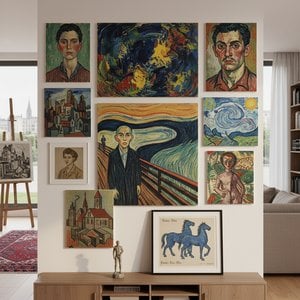
Izrazi čustev: 10 mojstrovin ekspresionizma za vaš dom
Odkrijte 10 mojstrovin ekspresionizma, ki so zaznamovale umetnost! Edvard Munch, Nolde & Kirchner – spoznajte zgodbe in čustva za vsakim delom. Najboljša zbirka reprodukcij na ArtsDot.com!

Egon Schiele: Expressionism, Anxiety & the Modern Condition – A Comprehensive Exploration
Explore the emotionally charged world of Egon Schiele (1890-1918). Discover his Expressionist masterpieces, psychological themes, and lasting impact on modern art. A comprehensive guide for collectors & enthusiasts.

Echoes of Time: Nostalgia, Technique & Cultural Significance in Vintage Paintings
Explore the captivating world of vintage paintings! Discover key styles, cultural significance & collecting tips from art experts at ArtsDot. Find authentic reproductions and elevate your home décor.


