


 Preverite v realnem okolju
 Pošlji kot čestitko
 Deli
Deli
 Podrobnosti
 Navodila

 Prenesi
 Podobni artefakti
 Rentgenski posnetek
 Predvajaj diaporama
 Statistika
Cantoria (detail)


 Preberi več
Ročno izdelana oljna reprodukcija
Ročno slikano olje na platnu v vaši izbiri velikosti in okvirja, izdelano po naročilu naših umetnikov. ( Preklop na tiskanine Preklop na digitalno sliko)




P118B $10

P118H $10

P118W $10

P438Z $10

P508JH $12

P508YH $12

P805H $10

P805Z $10

P919BZ $10

P919G $10

P919XJ $10

P959ZH $10

P968JZ $12

W106C $8

W218G $10

W218JH $8

W218Y $10

W307PJ $10

W316G $10

W316PJ $8

W316Y $10

W398PJ $8

W4111J $10

W500HY $15

W500JH $15

W692G $12

W849H $8

W940BG $15

W953PJ $8




Izberite eno od naših vnaprej določenih velikosti, ki ustrezajo prvotnim proporcijam umetničkega dela.

Svoje dimenzije lahko vnesete tako, da se prilagodite določenemu okvirju ali prostoru. Če izbrana velikost ne ustreza razmerjem originalne slike, bomo umetniško delo obrezali ali sliko dopolnili z dodatnimi ročno naslikanimi elementi. Pred začetkom proizvodnje vam bo poslan digitalni osnutek v odobritev.
Upoštevajte, da predogled na zaslonu ne odraža dejanskega obrezovanja ali podaljšanja. Le osnutek bo natančno prikazal končno kompozicijo.
Čeprav so na voljo velikosti po meri, priporočamo izbiro dimenzije s preddefiniranega seznama, da ohranimo originalne razmere.
Po oddaji naročila bo ekipa ArtsDot.com stranki po e-pošti poslala navodila in predogled digitalnega predogleda.
Mednarodna dostava () v 3/4 tednih namesto običajnih 5 tednov. (22 september). Brez kompromisov pri kakovosti.

Brezplačna ekspresna dostava po vsem svetu

Visokokakovostno laneno platno

Popolno zavarovanje pošiljke

Garancija povračila carine in uvoznih davkov

Garancija popolnega barvnega ujemanja

Politika vračila v 100 dneh (le v primeru okvar)

Garancija 100% povračila denarja

Popust pri večjem naročilu
 Možnost stekla je na voljo le za velikosti pod 110 cm

Cantoria (detail)
Tehnika reprodukcije
Velikost reprodukcije
-


Skupna cena
$ 263
The Echoes of Florence: Donatello’s Cantoria – A Symphony in Marble
Donatello's Cantoria, a breathtaking marble relief sculpture from the Duomo di Firenze (Florence Cathedral), isn’t merely a decorative element; it’s a vibrant snapshot of Renaissance ambition and artistic innovation. Completed in 1439, this intricate frieze, originally intended to adorn the south sacristy doors, captures a moment of exuberant celebration – a gathering of angelic figures engaged in song, dance, and playful interaction. More than just a depiction of religious subjects, it’s a testament to Donatello's mastery of capturing movement, emotion, and classical influence within the constraints of carved stone.
The sculpture’s genesis lies in the burgeoning humanist spirit of Florence during the early 15th century. Commissioned as part of a larger architectural project – the cathedral’s façade – it reflects a shift away from purely symbolic representations towards a more naturalistic and dynamic portrayal of human figures. Donatello, deeply influenced by his travels to Rome, brought back a renewed appreciation for classical sculpture, evident in the graceful poses, balanced compositions, and idealized forms within the Cantoria. The scene unfolds with an almost theatrical quality, as if capturing a fleeting moment from a divine concert or festival.
A Dance of Angels: Technique and Composition
Donatello’s skill is immediately apparent in his meticulous rendering of each figure. The relief itself is carved with astonishing precision, showcasing the artist's ability to create depth and volume through subtle variations in shading and texture. Notice how he masterfully uses light and shadow to define the contours of the figures, lending them a tangible presence. The composition is carefully balanced, drawing the eye across the frieze and inviting contemplation. The central figure, a youthful angel holding what appears to be a scroll or book – perhaps representing divine instruction or musical notation – commands attention with his dynamic pose and expressive face.
Beyond the individual figures, Donatello employed innovative techniques to achieve this sense of movement. The angels aren’t static; they are caught in mid-gesture, their limbs extended in graceful arcs, their faces alight with joy and animation. The use of *putti* – small, cherubic figures – adds a playful element to the scene, further enhancing the feeling of celebration. These youthful figures, dancing and playing instruments, represent innocence and divine delight.
Symbolism and Historical Context
The Cantoria’s name itself offers clues to its purpose. “Cantoria” derives from the Latin word for “singing,” reflecting the sculpture's intended function as a backdrop for liturgical music within the cathedral. It was designed to be heard alongside the hymns and chants performed during religious services, creating an immersive auditory and visual experience for worshippers.
Interestingly, the Cantoria’s history is marked by fragmentation and reconstruction. Originally conceived as part of a larger architectural ensemble, it was dismantled in the 18th century and its fragments scattered across Florence. It wasn't until the late 19th century that Luigi del Moro undertook the painstaking task of reconstructing the sculpture, piecing together the lost elements and restoring the frieze to its former glory. This process highlights the enduring legacy of Donatello’s work and the importance of preserving artistic heritage.
A Timeless Masterpiece: Emotional Resonance
Despite its age, the Cantoria retains a remarkable emotional resonance. The figures radiate an infectious joy and exuberance, inviting viewers to share in their celebration. Donatello’s ability to capture the essence of human emotion through stone is truly extraordinary. It's not simply a depiction of angels; it’s a portrayal of pure delight, a reminder of the beauty and wonder that can be found within the divine realm.
Today, reproductions of Donatello’s Cantoria continue to captivate audiences worldwide, offering a glimpse into the artistic genius of one of Florence's greatest masters. Its intricate details, dynamic composition, and profound symbolism make it a timeless masterpiece – a testament to the enduring power of art to inspire, uplift, and transport us to another time and place.
Sorodna umetniška dela


Biografija umetnika
zgodno zgodna mladost in začetki kariere
Donato di Niccolò di Betto Bardi, v zgodovini umetnosti bolj znan kot Donatello, se je rodil v Firenci v Italiji okoli leta 1386. Njegovo globoko zanimanje za klasično kiparstvo je močno oblikovalo njegov razvoj sloga zgodnje renesanse, saj je s svojo inovativno pristopom k umetnosti in kulturi postavil temelje, ki so postali nedeljenljiv znak florentinske renesanse.ključna dela in inovacije
Donatellovo najslavnejše delo, David, je predstavljalo prvo svobodno stoječo moško golič skulpturo od dob antičnosti. To delo, ki ga je naročila plemenita družina Medici, je s svojo tehnično dovršenostjo in inovativno estetiko razkazalo njegovo izjemno umetniško znanje. Poleg tega so v njegovem bogatem izročilu izpostavljena še druga znamenita dela:- Sveti Louis iz Toulousea (zdaj v muzeju bazilike Santa Croce), ki vključuje klasičen okvir, ki ga je zasnoval sam Donatello.
- Žrtvovanje Isaka, ustvarjeno za zvonik cerkve Santa Maria del Fiore v Firenci, ki s svojo močno portretno natančnostjo navdušuje gledalca.
- Križ (1425) za Santa Croce, ki prikazuje Krista v trenutku neizmerne bolečine in agonije.
umetnični slog in dediščina
Donatellov umetniški razvoj lahko razdelimo na širše faze, ki se začnejo z razvojem izrazljivosti in klasične monumentalnosti. Čeprav njegovo del v skupnosti sprva ni bilo takoj sprejeto, je sčasoma postalo izjemno priljubljeno ter močno vplivalo na druge italijanske dvore in evropske umetnike. ključni umetniški pogreti:osebno življenje in delovni slog
Donatello je bil poznan po svoji prijaznosti in ljubimosti med ljudmi, vendar pa je bil v poslovnih vidikih svoje kariere precej manj usposobljen. Pogosto se je zgodilo, da je sprejel več naročil, kot jih je zmožnost obdelati, zaradi česa so bila dela pogosto zaključena zamudno ali pa jih je prepustil drugim kiparjem. značitna umetniška dela in umetniki:- Leonardo da Vinci: Objemljanje (detajl)
- Amico Aspertini: Statua Pana / Lev, ki grize konja
- Michelangelo Buonarroti: Tondo Pitt
muzeji in umetniške zbirke:
- Museo della Collegiata (Empoli, Italija): skriti dragulj renesanse, ki v svoji zbirki vsebuje dela Francesco Botticinija in Raffaella Botticinija.
- gibanje zgodnje italijanske renesančne umetnosti

Donatello
1386 - 1466 , Italija
Ključne informacije
- Artistic Movement Or Style: Early Renaissance
- Artists Or Movements Influenced By This Artist:
- Italian Renaissance
- Early Renaissance
- Florentine Renaissance
- Artists Who Influenced This Artist: ['Classical sculpture']
- Date Of Birth: okoli 1386
- Date Of Death: 1466
- Full Name: Donatello di Niccolò
- Nationality: italijanski
- Notable Artworks:
- David
- Sveti Louis iz Tuluze
- Žrtvovanje Isaka
- Križ
- Place Of Birth: Firene, Italija
Sorodni članki

Bronze Age to Modern Masters: 10 Sculptures That Redefined Art | ArtsDot
Journey through art history with 10 legendary bronze sculptures – from Michelangelo's David to Rodin’s Thinker. Explore the stories, techniques & timeless beauty of these masterpieces. Find museum-quality reproductions & elevate your home decor on ArtsDot.com.

Bronze Sculptures That Defined Art History | ArtsDot
Journey through art history with our Top 10 bronze sculptures! Explore masterpieces by Rodin, Michelangelo & more. Discover stories behind iconic statues and find museum-quality reproductions for your home decor at ArtsDot.com.

The Enduring Form: Exploring Themes & Techniques in Sculpture Across Historical Periods
Explore the rich history of sculpture from ancient masterpieces to contemporary innovations. Discover key techniques, influential artists & investment potential for discerning art collectors.
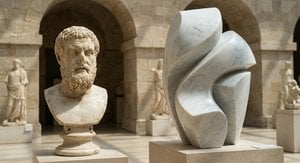
The Enduring Allure of Marble in Art History: From Classical Sculpture to Modern Abstraction
Explore the captivating history of marble sculpture from ancient Greece to modern art. Discover renowned artists like Canova & Michelangelo, carving techniques, and investment insights at ArtsDot.

The Enduring Form: Sculpture Across History, Technique & Emotional Resonance
Explore the rich history of sculpture with ArtsDot. Discover key techniques, influential artists & investment potential for discerning collectors. Expert insights into valuing and collecting timeless masterpieces.