

 Predogled v realnem okolju
 Pošlji
 Deli
Deli
 Podrobnosti o delu
 Priročnik

 Prenesi sliko
 Podobni izdelki
 Rentgenski posnetek
 Predvajaj diaporama
 Vprašanja in odgovori
 Statistika
Study for


 Preberi več
Giclée tisk / Umetniški tisk
Giclée ali platnati odtis muzejske kakovosti z hitro proizvodnjo in prilagodljivimi možnostmi končne obdelave. ( Kupite ročno slikano delo Preklop na digitalno sliko)




P118B €10

P118H €10

P118W €10

P438Z €10

P508JH €12

P508YH €12

P805H €10

P805Z €10

P919BZ €10

P919G €10

P919XJ €10

P959ZH €10

P968JZ €12

W106C €8

W218G €10

W218JH €8

W218Y €10

W307PJ €10

W316G €10

W316PJ €8

W316Y €10

W398PJ €8

W4111J €10

W500HY €15

W500JH €15

W692G €12

W849H €8

W940BG €15

W953PJ €8




Izberite eno od naših vnaprej določenih velikosti, ki ustrezajo prvotnim proporcijam umetničkega dela.

Vnesite širino in višino, ki jih potrebujete za svoj okvir ali steno. Tiskanje se lahko le odreže, vendar ga ni mogoče narediti večjega od slike, zato format z drugačno obliko pomeni izgubo dela slike. Pred tiskanjem vam pošljemo digitalni predogled za potrditev. Slika, prikazana na tej strani, ne prikazuje dejanskega izrezka — le predogled to omogoča.
Globalna dostava () v 2 tednih namesto standardnih 4/5 tednov. (11 november)

Brezplačna ekspresna dostava po vsem svetu

Visokokakovostno laneno platno

Popolno zavarovanje pošiljke

Garancija povračila carine in uvoznih davkov

Garancija popolnega barvnega ujemanja

100-dnevna politika vračil (le v primeru okvar)

Garancija 100% povračila denarja

Popust pri večjem naročilu
 Možnost stekla je na voljo le za velikosti pod 110 cm

Study for
Giclée tisk / Umetniški tisk
Velikost reprodukcije
-


Skupna cena
€ 56
A Glimpse into Rossetti’s Mystical World: “Study for”
This captivating chalk study by Dante Gabriel Rossetti, created in 1870 and currently housed at the William Morris Gallery in Walthamstow, United Kingdom, offers a rare window into the creative process of one of the Pre-Raphaelite Brotherhood’s most enigmatic figures. More than just a preparatory sketch, it is a work of art in its own right, brimming with symbolism and emotional resonance.Subject & Narrative
The composition depicts a scene steeped in medieval lore: Michael Scott, a Scottish magician and astronomer, bestowing a ring upon a young girl. Jane Morris, the iconic muse and wife of William Morris, occupies the central position with serene composure. A winged figure representing Love gazes upwards, seemingly detached from the earthly exchange, while a draped woman adds a dynamic element, intersecting the scene and creating visual tension. The work was intended as a study for an oil painting commissioned in 1871 that unfortunately remained unfinished.Style & Technique
Rossetti’s masterful use of chalk allows for an extraordinary level of delicacy and expressiveness. The subtle gradations of tone, achieved through shading and layering, create a remarkable sense of depth and texture despite the monochromatic palette. The flowing lines define forms with graceful contours, characteristic of Rossetti's aesthetic. This study exemplifies his ability to capture not just physical likeness but also the *inner life* of his subjects.Historical & Artistic Context
As a founding member of the Pre-Raphaelite Brotherhood, Rossetti rejected the academic conventions of his time, seeking inspiration in the art and literature of the early Italian Renaissance – before Raphael. This movement championed beauty, detail, and emotional intensity. “Study for” embodies these principles, reflecting a fascination with medieval themes, mysticism, and a rejection of industrialization’s impact on artistic expression. The Pre-Raphaelites sought to return to what they perceived as a more authentic and spiritually resonant form of art.Symbolism & Interpretation
The symbolism within the work is rich and layered. Jane Morris, frequently depicted in Rossetti's works, embodies an idealized beauty and often represents unattainable desire or tragic fate. The ring itself could symbolize betrothal, enchantment, or a binding agreement. The winged figure of Love’s upward gaze suggests a longing for the divine or a detachment from earthly concerns. The draped woman introduces an element of mystery and perhaps foreshadowing. It is believed that Rossetti drew inspiration from sources like *The Divine Comedy* by Dante Alighieri, adding another layer of intellectual depth to the piece.Emotional Impact & Aesthetic Appeal
“Study for” evokes a mood of quiet contemplation and melancholic beauty. The subdued tones and delicate lines create an atmosphere of intimacy and mystery. It’s a work that invites viewers to lose themselves in its intricate details and ponder its symbolic meaning. The piece resonates with a timeless quality, appealing to those who appreciate both artistic skill and intellectual depth.For Collectors & Designers
This study is not merely a historical artifact; it’s a powerful statement of aesthetic vision. A high-quality reproduction would serve as a stunning focal point in any interior, adding a touch of Pre-Raphaelite elegance and intrigue. Its muted palette complements a variety of décor styles, from traditional to contemporary. The artwork's themes of love, magic, and the passage of time make it a conversation starter and a source of enduring inspiration.- Style: Pre-Raphaelite
- Medium: Chalk on paper
- Date: 1870
- Location: William Morris Gallery, London, UK
Vprašanja in odgovori
Kako se barve dela "Study for" avtorja Dante Gabriel Rossetti odražajo v njegovem čustvenem izrazu?
Paleta Dark v delu "Study for" avtorja Dante Gabriel Rossetti se dopolnjuje z njegovim Melancholic čustvenim tonom. Barva je eden od načinov, s katerimi umetniško delo izraža čustva.
Kje se priporoča izpostavljanje dela "Study for" v formatu Square?
Format (Square) in priporočena prostor (Living Room) sta dve zapisani podrobnosti glede postavitve za "Study for" avtorja Dante Gabriel Rossetti.
Kje lahko kupim ročno slikano reprodukcijo dela "Study for" avtorja Dante Gabriel Rossetti?
Ročno slikane kopije dela "Study for" avtorja Dante Gabriel Rossetti so na voljo na spletnem mestu ta spletna stran: ročno slikana oljna reprodukcija na lnenem platnu, kjer jih lahko naročite preko strani Ročno slikana reprodukcija.
Sorodna umetniška dela


Biografija umetnika
Življenje Dante Gabriel Rossetti
Dante Gabriel Rossetti je bil večdimenzionalni ustvarjalec, katerega vpliv še vedno traja, ker se je zavzil razdvajanja zapisane besede od vizualne podobe. Rodil se je v Londonu, v Združenem kraljestvu, 12. maja 1828, in deloval na stičišču poezije in slikarstva. Kot sin itališkega učenjaka, Gabriele Pasquale Giuseppe Rossetti, in Frances Mary Lavinia Polidori, je izhodil iz bogate intelektualne linije, ki je postavila temelj za kariero, ki je obsegala ilustracijo, prevajatelstvo in likovno umetnost. Njegova dela niso bila le prikazovanje scen; on je literarne koncepte prevajal v fizično obliko.
Njegovo življenje je bilo opredeljeno po zavoličnosti, da bi se prilagodil strogim akademskim standardom 19. stoletja. Namesto sledenja vzpostavljenim vzorcem jeiskano neposredno povezavo z čustveno težo svojih motivov. Ta pristop ga je postavil v središče pre-rafaelitskega gibanja. Njegovo del je pogosto služilo kot vizualni odraz njegovih lastnih sonetov, kar je ustvarjalo enotno čutno izkušnjo. Umrl je v Birchington-on-Sea, v Kentu, v Angliji, 9. aprila 1882, v age 53 let.
Njegovo umetniško delo je bilo obsežno in raznoliko, saj je obsegalo več različnih načinov izražanja:
- Poezija in soneti
- Knjigovni ilustracije
- Slikarstvo na platnu
- Prevodi literarnih del
Early Life, Family and Training
Rossettijeva umetniška podlaga je bila zgrajena na specifični, akademski rodovni liniji. Njegov oče, Gabriele Pasquale Giuseppe Rossetti, je bil italijanski učenjak in politični begunec, ki je svoje življenje posvetil študiji Danteja Alighierija. To intelektualno okolje, ki so ga oblikirala očetova strokovnost in materina vzpajanja, je zagotavljalo, da literatura ni bila le stranski interes, temveč ključni element njegovega razvoja. V gospodinjstvu intelektualcev je odrasel skupaj s svojimi bratmi in sestrami: Maria Francesca, William Michael in Christina Georgina Rossetti. Ta družinska enota je delovala kot koncentrirano središče literarne in ustvarjalne energije, ki je nudilo zgodnji stimulans, potreben za njegovo kasnejšo zlitje zapisa in slike.
Njegov formalni izobraževalni steza je sledila strukturiranemu potu skozi londonsko umetnostno sceno. Po obisku šole King's College School se je med letoma 1841 in 1845 preusmeril v specializirano tehnično izobraževanje v akademiji Henry Sass' Drawing Academy. Ta obdobje študija mu je prineslo potrebno disciplino, preden je prešel v Antique School pri Kraljevi akademiji. Njegov razvoj je še dodatno izpiljen pod vodstvom pod imenom Ford Madox Brown, osebe, katere vpliv je pomagal usmeriti Rossettija proti specifični estetski rigoroznosti, ki bo definiral njegovo zgodnjo kariero. Ta zapored, od domačega izobraževanja do strukturiranih londonskih akademij, je v sinu učenjaka spremil v tehniko, ki je bila sposobna izvajati kompleksne in podrobne kompozicije.
Pre-rafaelitsko bratstvo in zgodnja dela
Leta 1848 je Dante Gabriel Rossetti sodeloval pri sprožitvi vizualne revolucije, ko je skupaj z Williamom Holmanom Huntom in Johnom Everettom Millaisom ustanovil Pre-rafaelitsko bratstvo. Ta skupina je zavrnila zastarele, akademske konvencije svojega časa in se namesto tega odločila za vrnitev k iskrenosti in podrobnosti, ki sta bili značilni za italijansko umetnost pred obdobjem visoke renesanse. Njegova zgodnja dela je opredelilo ta neomovljiva predanost religioznym in simboličnim temam. Leta 1849 je ustvaril The Girlhood of Mary Virgin, delo, ki je potrdilo njegov zanimanje za izjemno natančenost in detajl. To je sledilo delo Ecce Ancilla Domini! iz leta 1850, slika, ki je razvilo gibanje zavrnitev idealiziranih, umetnih form v korist bolj neposredne in resnične podobe.
Ko se je njegova kariera razvijala, se je fokus umetnika premiknil od strogo religioznih tem v smeri portretiranja in raziskovanja individualnega karaktera. Njegov portret Williama Rossettija iz leta 1853 prikazuje težijo k zajemanju psihološke globine skozi natančno in nadoblaščeno izvedbo. Tudi ko se je njegov stil v kasnejjih letih razvil v bolj kompleksno, senzualno območje, je ostala temeljna postavitev v tehnični rigoroznosti, ki jo je vzpostovil v letih članstva v Bratstvu. To je vidno v njegovem portretu gospa Georgine A Fernandez iz leta 1874, kjer uporabi pastel, da doseže specifično, atmosferično prisotnost, ki se močno razlikuje od njegovih zgodnjih oljanskih del.
Tehnika in umetniški slog
Vizualni jezik, ki ga je razvil Dante Gabriel Rossetti, je bil zasnovan na nenehni napetosti med skrbno natančnim realizmom in težko, simbolno globino. V svojem zgodnjem obdobju je zavrnil zamotne, akademske palete sredine 19. stoletja in se namesto tega odločil za čiste barve, ki so bile nanašane na bele ozadja. Ta tehnika je prisilila v jasnost, ki je nujno zahtevala pozornost gledalca. Njegove kompozicije niso bile le preproste slike scenes; jih je konstruiral skozi prizmo sredinoveškega revivalizma, s čimer se je zaviril v iskreno obdobje pred Rafaelom, da bi našel način za izražanje sodobnih čutov. Njegova dela so se pogosto osredotočala na eno samostojno žensko figuro, pogosto v okviru bujne vegetacije, ki je delovala bolj kot psiholojsko stanje kot fizično okolje.
Sčasa se je njegov pristop sprecel iz oštrih, podrobno opazovanih motivov Pre-rafaelitskega bratstva v veliko gostejši in bolj opulentni slog. Ta pozna faza je močno črpala iz poznega italijanske renesanse, kjer je zgodnjo jasnost zamenjal z občutkom nasičenih, težkih tekstur. Odklonil se je narativni jasnosti in se premaknil v bolj subjektivno, čutno obliko simbolizma. To ni bil le samostojen vizualni podvlog; pogosto je pisal sonete, ki so sprehajali njegove slike, s čimer je zagotovil, da sta literarni in vizualni svet neposredno povezana. Slika in pesem sta delovala kot enota izražanja.
- The Girlhood of Mary Virgin (1849)
- Ecce Ancilla Domini! (1850)
- Venus Verticordia (1864–1868)
- Proserpine (1874)
- The Day Dream (1880)
Ključna dela in teme
Dante Gabriel Rossetti je svojo umetniško potzujil prehodom od narativne podrobnosti k koncentriranemu fokusiranju na žensko obliko in mitološko napetost. Njegovo del iz let 1865–6, The Beloved, to prehod jasno prikazuje, saj uporabi kompozicijo, ki izpostavi kontrast med bledo kožo neveste in temnoskoži mladeniča. V tem obdobju se je oddalil od zapletenih, zgoščenih scen svojega mladosti in se usmeril v bolj enostavne, a intenzivne študije lepote. Njegova pozna leta so prinesla delo The Day Dream iz leta 1880, v katerem je podaljšana figura ženske, sedeče na veji platana, popolnoma združena z okoliško vegetacijo.
Umetnik se je pogosto zvrnil k temam hrepenja in ujetja. V delu Proserpine (1874) je uporabil narovico in senco hodnika, da bi predstavil ujetje boginje v podzemlju. Ta obsedenost s psihološkimi stanji je enako prisotna tudi v delih Beata Beatrix in Dante's Dream (1872), kjer subjekti zivijo v sanljivem prostoru. Njegova Venus Verticordia (1864–1868) še dodatno poudarja ta interes za erotičnim simbolizmom, kjer uporablja elemente, kot sta Kupčeva puščica in specifični cvetni motivi, za izražanje želje.
- The Girlhood of Mary Virgin (1849)
- Ecce Ancilla Domini! (1850)
- Venus Verticordia (1864–1868)
- The Beloved (1865-6)
- Dante's Dream (1872)
- Proserpine (1874)
Vpliv ženskih muz
Rossettijeva platna niso bila le navadna kompozicije; bila so odmevi žensk, ki so vsa prežela njegovo osebno življenje. Njegova estetika je bila nelinearno povezana z ženskami, ki jih je ljubil in z modelami, ki so mu služili, med katerimi so najbolj izpostavile Elizabeth Siddal, Fanny Cornforth in Jane Morris. Njegov zakon z Elizabeth Siddal ostaja osrednji, težek dejaj v njegovi biografiji, ki je njegovo zgodnje obdobje navezala na realnost, ki je pogosto premlila v njegove mitološke teme. Te ženske so podale fizične in čustvene predloge za njegov prehod iz strogega realizma v bolj simboličen, senzualen slog.
Jane Morris je postala še posebej prevladujoča prisotnost v njegovih poznejših delih, saj so njene značilnosti določale specifičen tip zagognjive lepote. Bila je obraz več pomembnih slik, vključno s slikami Proserpine, The Day Dream in Pia de' Tolomei. Skozi Morris se je Rossetti odmaknil ostrega, fotografskega detajla svoje mladosti in se usmeril v bolj bujen, atmosferečen pristop. Njena prisotnost v njegovi umetnosti ni bila le pasivna pojav; bila je zavestna izbira, ki je oblikovala samo usmeritev njegovega vizualnega jezika.
- Proserpine
- The Day Dream
- Pia de' Tolomei
Dediščina in trajni vpliv
Vpliv, ki ga je Dante Gabriel Rossetti pustil na poti moderne umetnosti, se meri skozi njegovo vlogo osrednjega arhitekta Pre-rafaelitskega bratstva. Pomagal je premakniti fokus britanske umetnosti stran od sterilnih, akademskih tradicij tistega časa. Njegov vpliv se je razširil daleč čez meje Združenih kraljestv, saj je neposredno oblikoval razvoj estetske gibanja in simbolizma. S prednostno mero subjektivne izkušnje in čutne globine je njegovo del postavilo temelj evropskim simbolistom, ki so skozi vizualno metaforo skušali predstaviti podzavest.
Njegova literarna tvorba je bila prav tako pomembna, korenita v zgodnjih poetskih vplivih Johna Keatsa in Williama Blakea. Ta stik med versom in sliko je opredelil njegov edinstven prispevek k 19. stoletju. On ni le ilustriral zgodb; ustvarjal je enotno čutno izkušnjo, kjer so se meje med poezijo in barvo stopile. Ta pristop je spodbudil naslednje generacije, da platno obravnavajo kot prostor za psihološko in duhovno raziskovanje, rather kot le preprosto narativno ilustracijo.
- Proserpine
- The Blessed Damozel
- Venus Verticordia
- The Day Dream
Kje si danes lahko ogledate njegova dela
Da bi doživeli fizično realnost Rossettijevega umetniškega dela, je pot nujno usmerjena proti Londonu. Tate Gallery vsiest hrami največ koncentracijo njegovih del, kjer je na voljo 16 primerkov za raziskovanje. Ta zbirka nudi najbolj celovit pogled na njegovo prehodno obdobje, od zgodnjega religijskega realizma do poznejšega, bolj kompleksnega simbolizma. Druge pomembne zbirke v mestu vključujejo National Portrait Gallery, ki vsebuje 4 dela, in Victoria and Albert Museum, ki prav tako hrani 4 dela. Te institucije ponujajo neophoden kontekst za razumevanje, kako je njegova estetika izzivala akademske standarde viktorijanske dobe.
Če se odmaknemo od prestolnice, njegovo prisotnost čutimo v več večjih regionalnih in mednarodnih zbirkah. Birmingham Museum and Art Gallery vzdržuje 7 njegovih del, kar omogoča temeljit pogled na njegov razvoj izven Londona. V Združenih državah Fogg Art Museum v Cambridgeu hrani 4 dela. Opazovanje teh del v njihovem izvornem okolju razkriva dejanske teksture in barve, ki so definiral privang k ženski figuri in mitološkiim temam.
- The Girlhood of Mary Virgin (1849)
- Ecce Ancilla Domini! (1850)
- Proserpine (1874)
- Venus Verticordia (1864–1868)
- The Blessed Damozel (1878)
- The Day Dream (1880)

Dante Gabriel Rossetti
1828 - 1882 , Združeno kraljestvo
Hitri podatki
- Artistic Movement Or Style: Pre-rafaelitska družina, Simbolizem
- Artists Or Movements Influenced By This Artist:
- Estetska gibanja
- Simbolizem
- William Morris
- Edward Burne-Jones
- Artists Who Influenced This Artist:
- Shakespeare
- Dickens
- Scott
- Byron
- John Keats
- William Blake
- Date Of Birth: 1828
- Date Of Death: 1882
- Full Name: Gabriel Charles Dante Rossetti
- Nationality: Anglež
- Notable Artworks:
- The Girlhood of Mary Virgin
- Ecce Ancilla Domini!
- Proserpina
- Venus Verticordia
- The Blessed Damozel
- Place Of Birth: London, Združeno kraljestvo
Sorodni članki

Dante Gabriel Rossetti: 25 Mojstrovin Pre-Rafaelitskega Romantika | ArtsDot
Odkrijte 25 mojstrovin Dante Gabriela Rossettija, pre-rafaelitskega slikarja ljubezni in simbolizma. Pre-rafaeliti, portreti, mitologija – navdih za vaš dom na ArtsDot.com! Raziskajte reprodukcije slik visoke kakovosti.

The Eloquent Brushstroke: A Historical & Technical Exploration of Texture, Intent & Expression in Painting
Explore the rich history & techniques of impasto painting – from Renaissance masters to Van Gogh's expressive strokes. Discover how artists use texture to convey emotion and create lasting impact. Learn more!

James Abbott McNeill Whistler: 25 Mojstrovskih Del za Navdih v Vašem Domu
Odkrijte 25 mojstrovskih del Jamesa Abbotta McNeilla Whistlerja! Preučite zgodbe, tehnike in navdih za njegove ikonične nocturne, portrete in dela estetizma. Najboljše reprodukcije slik online na ArtsDot.com – umetnost za vaš dom.
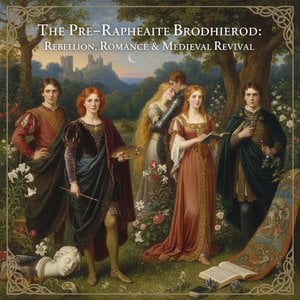
The Pre-Raphaelite Brotherhood: Rebellion, Romance & Medieval Revival
Explore the captivating world of the Pre-Raphaelite Brotherhood! Discover their rebellious spirit, iconic masterpieces & lasting influence on art history. Learn about Rossetti, Millais & more.

Emotional Transmutation in Visual Art: A Study of Affective Representation Through Color, Form, and Texture
Explore the fascinating intersection of art & emotion! Discover how color, form, and texture convey feelings in masterpieces. Expert analysis for collectors & enthusiasts.


