


 Predogled
 Pošlji
 Deli
Deli
 Podrobnosti o delu

 Prenesi
 Podobni izdelki
 Rentgenski posnetek
 Predvajaj diaporama
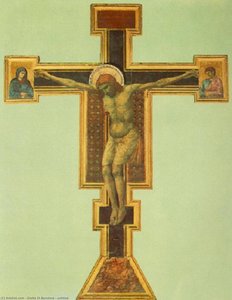
Križ Cimabua
 Tempera na leseni plošči
- Proto-Renaissance
 1287
1287- Pozno srednjeveško
 448.0 x 390.0 cm
 Museo dell'Opera di Santa Croce
 Razviljaj več
Giclée tisk / Umetniški tisk
Giclée ali platnati odtis muzejske kakovosti z hitro proizvodnjo in prilagodljivimi možnostmi končne obdelave. ( Kupi ročno naslikano sliko Kupi digitalno sliko)




P118B $10

P118H $10

P118W $10

P438Z $10

P508JH $12

P508YH $12

P805H $10

P805Z $10

P919BZ $10

P919G $10

P919XJ $10

P959ZH $10

P968JZ $12

W106C $8

W218G $10

W218JH $8

W218Y $10

W307PJ $10

W316G $10

W316PJ $8

W316Y $10

W398PJ $8

W4111J $10

W500HY $15

W500JH $15

W692G $12

W849H $8

W940BG $15

W953PJ $8




Izberite eno od naših vnaprej določenih velikosti, ki ustrezajo prvotnim proporcijam umetničkega dela.

Svoje dimenzije lahko vnesete sami, da bodo ustrezne za določen okvir ali prostor. Če izbrana velikost ne bo skladna z razmerji izvirne slike, bomo umetniško delo orezali ali podaljšali s pomočjo ogledalnega odraza ali barvno polnega roba. Pred začetkom proizvodnje vam bomo poslali digitalni predogled za potrditev.
Upoštevajte, da predogled na zaslonu ne prikazuje dejanskega orezovanja ali podaljševanja. Le digitalni predogled bo natančno prikazal končno kompozicijo.
Čeprav so na voljo prilagojene velikosti, priporočamo izbiro dimenzije s predhodno določenega seznama, da ohranite prvotna razmerja.
Globalna dostava () v 2 tednih namesto standardnih 4/5 tednov. (16 avgust)

Brezplačna ekspresna dostava po vsem svetu

Visokokakovostno laneno platno

Popolno zavarovanje pošiljke

Garancija povračila carine in uvoznih davkov

Garancija popolnega ujemanja barv

60-dnevna politika vračanja (le v primeru napak)

Garancija 100% povračila denarja

Popust pri večjem naročilu
 Možnost stekla je na voljo le za velikosti pod 110 cm

Križ Cimabua
Giclée tisk / Umetniški tisk
Velikost reprodukcije
-


Skupna končna cena
$ 62
Opis zbirateljskega predmeta
Likmasterstvo bizantinskega vpliva
Cimabuejev "Križ" stoji kot monumentalno del iz konca 13. stoletja, ki utelja prehod od bizantinske ikonografije do začetnega realizma renesančne umetnosti. Ustvarjen okoli leta 1287, ta velikostni križ je spomenik Cimabuejevega inovativnega pristopa, saj združuje tradicionalno religiozno simboliko z prihajajočimi umetniškimi tehnikami, ki so pavedale pot prihodnjim mojstrom, kot je Giotto.Motiv in kompozicija
Umetnostni izdelek prikazuje razpeljanje Jezusa Krista, osrednjo temo v kristjanski umetnosti. Kompozicija sledi tradicionalnemu križnemu razložilu, kjer je figura Jezusa v središču izpostavljena in prevladujoča. Na obeh straneh križa sta dva žalostnika, ki verjetno predstavljata Devi Mariji in svetemu Janezu Evangelistu, kar sceni dodaja globoko čustveno težo.Stil in tehnika
Cimabuejev slog zaznamuje mešanica bizantinskih vplivov in novosti zgodnje renesanse. Uporaba bogatih barv, zlasti globokih modrih, rdečih in zlatih tonov, ustvarja občutek spoštovanja in božanstva. Figure so slikane z bolj živopisnimi proporcijami in sofisticirano senčenjem v primerjavi s prejšnjo srednjoveško umetnostjo, kar nakazuje volumensko plastičnost in globino. Delo je izvedeno s tempero na lesenem leseni plošči, kar je bila običajna tehnika tistega obdobja. Akcenti zlata v listkih dodajajo svetlobno kakovost, ki povečuje svetost scene. Natančna pozornost detajlov pri prikazovanju kože in oblačil figur prikazuje Cimabuejevo mojstristvo v njegovi umetnosti.Zgodovinski kontekst
Cimabue, rojen okoli leta 1240 v Florenci, je bil ključna figura v evoluciji italijanske umetnosti. Njegovo del je označilo pomembno odstopanje od ploščatih, shematičnih metod bizantinskega slikarstva, saj je uvedlo elemente realizma in čustvene izraznosti, ki so postali značilnosti renesanse. "Križ" je eno Cimabuejevih najstarejših pripisovanih del, naročeno od strani dominikanskega reda za baziliko San Domenico v Arezzoju. To naročilo izpostavlja pomen religiozne umetnosti v srednjevečni družbi in vlogo umetnikov, kot je Cimabue, pri oblikovanju duhovnih izkušenj skozi vizualno pripovedovanje.Simbolika in čustveni vpliv
Scena razpeljavanja je bogata s simbolnimi elementi, vključno s samim križem, ki predstavlja žrtvovanje in odkupnico, ter aureolami okoli glav figur, ki označujejo njihjo svetost. Žalostniki na obeh straneh izražajo bolečino in žalost, kar delu dodaja čustveno dimenzijo. Cimabuejev prikaz Kristovega telesa, slikano z senčenjem in občutkom plastičnosti, prinaša globok občutek trpljenja in človečnosti. To odstopanje od togih bizantinskih figur Krista na križu napoveduje bolj ekspresivne in naravne predstavitve, ki bodo definiral renesančno umetnost.Sorodna umetniška dela


Biografija umetnika
Giovanni Cimabue: Pioneer of Italian Painting
Giovanni Cimabue, born Cenni di Pepo around 1240 in Florence, stands as a monumental figure—a bridge between the established artistic traditions of the Byzantine world and the burgeoning innovations that would define the Italian Renaissance. His life, though partially obscured by time and romanticized accounts – most notably those penned by Giorgio Vasari centuries later – marks an undeniable turning point in Western art history. Cimabue wasn’t simply a painter; he was a courageous innovator who dared to subtly challenge artistic conventions, laying the groundwork for the revolutionary changes that would soon sweep across Italy. Even his nickname, believed to mean “bull-headed,” hints at a strong will and perhaps a rebellious spirit—qualities demonstrably present in his willingness to experiment with form and expression. He represents a crucial moment where art began to shift from being solely devotional imagery towards something more humanistic and emotionally resonant.Early Influences and Artistic Development
Initially immersed in the Italo-Byzantine style prevalent throughout Florence, Cimabue’s early work adhered closely to established aesthetic principles: flattened figures adorned with shimmering gold leaf, symbolic rather than realistic depictions of space, and a profound focus on religious iconography. However, even within these constraints, a nascent desire for naturalism began to emerge. He wasn't content merely replicating existing forms; he sought to imbue his paintings with a greater sense of life and emotional depth. While the precise nature of his early training remains debated, it’s likely he honed his skills within Florentine workshops, absorbing the techniques and influences of the time while simultaneously developing his own unique artistic voice. The Byzantine style, characterized by its formality and spiritual focus, provided him with a solid foundation, but Cimabue began to subtly introduce elements that would foreshadow the coming Renaissance—a greater attention to volume, more expressive facial features, and a nascent understanding of spatial relationships. This wasn’t a sudden break from tradition, but rather a gradual evolution, a delicate balancing act between honoring the past and embracing new possibilities.Masterpieces and Artistic Innovations
Cimabue's legacy is cemented through a series of breathtaking works that showcase his evolving style. The Maestà (Louvre), originally created for the Church of San Francesco in Pisa, stands as one of his most celebrated masterpieces. This monumental altarpiece exemplifies his mastery of composition and use of color, while simultaneously hinting at the shift away from rigid Byzantine conventions. The figures, though still possessing a degree of formality, exhibit a newfound sense of volume and presence. The Crucifixion (San Domenico, Arezzo), dating around 1270, is particularly significant as an early demonstration of his departure from strict Byzantine norms. Here, the proportions are more realistic, and the emotional weight of the scene is palpable—a stark contrast to the often-distant depictions found in earlier religious art. Further evidence of Cimabue’s innovative spirit can be seen in works like the Flagellation of Christ (Frick Collection), generally attributed to his workshop. This complex composition reveals an evolving understanding of perspective and spatial relationships, showcasing a growing interest in creating more immersive and believable scenes. His contributions weren't limited to panel paintings; Cimabue also excelled as a mosaicist, contributing significantly to the decoration of the Baptistery of Florence—though these mosaics have unfortunately suffered from deterioration over time.A Pivotal Teacher: Giotto and Beyond
Perhaps Cimabue’s most enduring legacy lies in his role as the teacher of Giotto di Bondone. While historical accounts vary regarding the exact nature of their relationship, it is widely accepted that Giotto received crucial training under Cimabue's guidance. However, Giotto would ultimately surpass his master, revolutionizing Italian painting with an even more radical embrace of naturalism and emotional realism. It’s a testament to Cimabue’s skill as a teacher that he fostered such talent, even knowing it might eclipse his own achievements. The story, often recounted by Vasari, of Giotto playfully painting a fly on Cimabue's face speaks volumes about the dynamic between master and pupil—a playful rivalry that ultimately pushed both artists to greater heights. Cimabue’s influence extended beyond Giotto, impacting numerous other artists of the period. He challenged the artistic norms of his time, demonstrating that art could be more than just religious symbolism; it could also reflect human emotion and experience. His willingness to experiment with form, proportion, and expression paved the way for the innovations of the Renaissance, establishing him as a crucial transitional figure in the history of Western art.Enduring Significance
Cimabue passed away in 1302 in Pisa, leaving behind a body of work that continues to captivate and inspire. Despite his significant contributions, details surrounding his later life remain scarce. However, his artistic legacy resonates powerfully through the works of his students and the evolution of Italian art. He represents a crucial step in the development of Western painting, moving away from the stylized conventions of the Byzantine era towards a more humanistic and naturalistic approach. His paintings are not merely historical artifacts; they are windows into a pivotal moment in artistic history—a time when artists began to question established norms and explore new possibilities. He was a pioneer, a visionary who dared to challenge the status quo and lay the foundations for the artistic brilliance that would define the Renaissance. Cimabue’s work reminds us that even within tradition, there is always room for innovation, and that true artistry lies in the courage to push boundaries and explore new horizons.
Cimavbe
1240 - 1302 , Italija
Hitri podatki
- Artistic Movement Or Style: Bizantinski & Renesans
- Artists Or Movements Influenced By This Artist: ['Giotto']
- Artists Who Influenced This Artist:
- Giunta Pisano
- Coppo di Marcovaldo
- Date Of Birth: c. 1240
- Date Of Death: 1302
- Full Name: Giovanni Cimabue
- Nationality: Italski
- Notable Artworks:
- Maestà
- Križanje
- Občutjevanje Kristusa
- Place Of Birth: Florence, Italy
Sorodni članki

Late Medieval Masterpieces: 10 Artworks That Defined an Era | ArtsDot
Journey through 10 defining Late Medieval masterpieces – from Giotto's frescoes to Jan van Eyck’s realism. Explore the stories, techniques & vibrant colors of Gothic art. Find museum-quality reproductions and elevate your home decor with ArtsDot.com! Discover all masterpieces on ArtsDot.com

High Medieval Art: 10 Masterpieces That Shaped an Era | ArtsDot
Journey through High Medieval Art! Explore 10 iconic masterpieces – from Giotto's frescoes to stunning Gothic cathedrals. Discover the stories behind these timeless paintings, sculptures & illuminated manuscripts. Find museum-quality art reproductions at ArtsDot.com.

Proto-Renaissance Masters: 10 Artworks That Changed History | ArtsDot
Journey back to the dawn of Renaissance art! Explore 10 iconic Proto-Renaissance masterpieces by Giotto, Cimabue & Duccio. Discover their stories, techniques & lasting impact. Find museum-quality reproductions for your home at ArtsDot.com

Illuminating Faith & Power: A Journey Through Medieval Art (c. 500 – c. 1500)
Explore the rich history of Medieval Art (c. 500 – c. 1500) with ArtsDot. Discover Byzantine mosaics, Gothic cathedrals & Renaissance masterpieces. Expert insights & museum-quality reproductions.

Illuminating Eternity: A Comprehensive Exploration of Byzantine Art's Legacy
Explore the rich history & stunning artistry of the Byzantine Empire! Discover iconic mosaics, profound symbolism, and lasting influence on Western art. A comprehensive guide for history lovers.



